The final days of May are projected to be generally drier than average across many parts of the country, marking the conclusion of the long rains season. However, certain regions—including Central Kenya, Western Kenya, the Lake Victoria Basin, and coastal areas—are expected to continue receiving rainfall into June, albeit at below-average levels.
The end of the long rains will usher in the cool and dry season, during which temperatures in highland regions are expected to drop significantly.
Continued Risks in Near Term
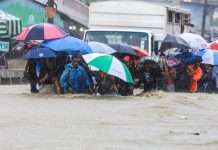
Despite the anticipated reduction in rainfall, the meteorological department has urged Kenyans to remain vigilant in the short term, as ongoing precipitation continues to pose risks of flooding, waterlogging, and transportation disruptions.
Health officials have been warned that continued wet conditions may increase the incidence of waterborne diseases and malaria, particularly in areas with inadequate drainage and sanitation infrastructure.
Agricultural regions are also at risk. The department cautioned that persistent rainfall in Central Kenya, Western Kenya, the Lake Victoria Basin, and parts of the Rift Valley could lead to waterlogging and flooding of farmland, potentially damaging crops.
“In the Southeastern Lowlands, near-average to below-average rainfall combined with episodic heavy storms may lead to uneven soil moisture conditions that may stress crops already weakened by earlier rains,” the forecast noted.
Water Management Systems Under Pressure
Water resources and flood management infrastructure face mounting pressure as the rainy season continues. The department has warned that rivers, dams, and drainage systems in high-rainfall areas could receive excess inflows, heightening the risk of river overflows and flash floods.
“Expected heavy rainfall in the first week of May increases the likelihood of river overflows, flash floods, and prolonged inundation in low-lying and downstream areas,” the advisory cautioned.
Authorities have called on residents in flood-prone areas to take necessary precautions and remain alert to weather updates as the situation develops.