
News
Uganda Announces Two-Day Holiday to Facilitate Voter Participation in Upcoming Elections
Uganda will observe public holidays on January 15 and 16, 2026, enabling citizens to participate in presidential and parliamentary elections scheduled for next week, President Yoweri Kaguta Museveni has announced.
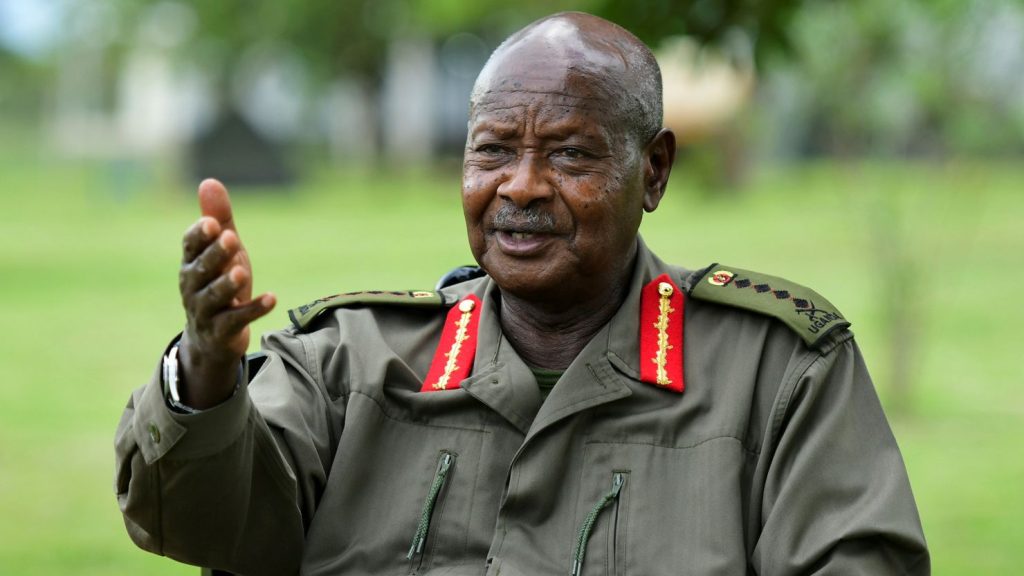
The directive was issued through a Legal Notice under the Public Holidays Act, Cap. 174, and has been formally published in the government gazette.
The notice states that the President exercised powers granted under Section 2(2) of the Public Holidays Act to designate both dates as public holidays throughout the nation, specifically to facilitate electoral participation.
Nationwide Break for Electoral Process
According to government officials, the two-day period will allow voters nationwide to travel to polling stations, wait in queues, and exercise their franchise without workplace obligations creating barriers.
The declaration applies uniformly to public sector institutions and private organizations as the East African nation prepares for polls that have attracted significant attention.
President Museveni, who assumed office in 1986, is campaigning for re-election. The electoral exercise will simultaneously determine parliamentary composition.
Three Concurrent Electoral Contests
The electoral commission has registered 21.6 million voters who will cast ballots in three distinct races on the same day. These include the presidential contest, elections for 353 constituency parliamentary seats, and selection of 146 district women representatives.
The presidential race features President Museveni and opposition figure Bobi Wine as principal candidates, representing their second electoral confrontation. The 81-year-old incumbent secured victory in the 2021 contest with 58 percent against Wine’s 35 percent, though that election faced accusations of irregularities and witnessed significant opposition suppression.
Under Ugandan electoral law, presidential candidates must secure more than 50 percent of valid votes to win outright, otherwise triggering a runoff between the top two contenders. Questions regarding electoral integrity remain prevalent among sections of the Ugandan population.
Regional Electoral Context
The Ugandan polls follow Tanzania’s October election by approximately four months. That contest witnessed post-election disturbances in certain areas.
Electoral commission results announced on November 1 showed President Samia Suluhu winning with 31.9 million votes, equivalent to 97.66 percent of ballots cast.
International observers and opposition groups criticized the Tanzanian electoral process. Primary challenger Tundu Lissu remained detained during the campaign period and voting day, while another prominent opposition candidate faced disqualification from the race.





VIDEO: Every Goal Scored in the Premier League This Weekend — Matchweek 30

EPRA Sets Fuel Prices for March-April 2026 — Here Is What You Will Pay

Israeli Government Announces Fully Funded Postgraduate Scholarships for Kenyans

Russian TikToker’s Videos Include Encounter with Older Woman, Raising Further Consent Concerns

East Africa’s Richest Musicians 2025: The Wealth Rankings Revealed

Why Gachagua Was Absent at Raila’s Farewell, According to His Camp
-

 Gossip5 days ago
VIDEOS: What Happened In Naivasha During The Weekend Has Boyfriends Crying
-

 Gossip1 week ago
Morara Kebaso’s Secret Mombasa Getaway With Slay Queen Laid Bare in Shocking Audio Leak
-

 Gossip1 week ago
VIDEO: Kenyan Female Chemist Attendant Goes Viral After Video Shows Her Helping Male Customer Put On Protection — Public Reacts
-

 Gossip1 week ago
Watch Video: Vihiga Man Takes Selfie Of Wife and Pastor During Mechi
-

 Gossip1 week ago
The Cheeky Couple Video That Broke Social Media This Week
-

 Mombasa1 week ago
VIDEO: Mackenzie’s Lawyer Challenges Police to Prove Shakahola Victims Are Not in Heaven
-
 Education1 week ago
How to Apply for Kenya Utalii College Through KUCCPS — Diploma and Certificate Applications Now Open
-

 Education1 week ago
KUCCPS 2026: Marketable Degree Programmes With the Lowest Cut-Off Points in Kenyan Universities