
News
Tanzanian President Defends Lethal Crackdown, Claims Protesters Were Paid to Overthrow Government
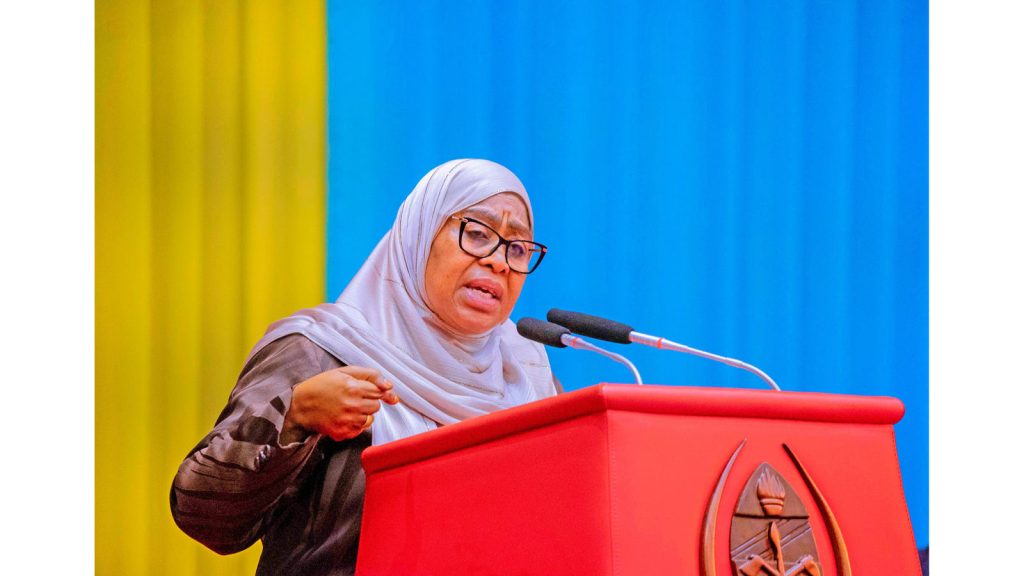
DAR ES SALAAM – In a defiant and rambling address to a gathering of the city’s “elders” on Tuesday, Tanzanian President Samia Suluhu Hassan sought to justify a violent police crackdown that human rights monitors say has killed hundreds of protesters, alleging the youth involved were paid mercenaries seeking her government’s overthrow.
ALSO READ: Larry Madowo’s CNN Investigation Exposes Deadly Force Against Tanzanian Youth
The speech, which veered between combative nationalism and dismissive scorn for grieving families, has plunged the nation deeper into crisis following her controversial re-election on October 29. Official results handed Hassan a Soviet-style mandate of nearly 98% of the vote in a poll where the main opposition party, CHADEMA, was barred from participating and its leader, Tundu Lissu, remains imprisoned on treason charges.
“I want to ask the parents crying: where were your children going at night? They were going to be paid. They were recruited and paid to remove this government from power,” President Hassan told the assembled elders, offering no evidence for the claim. The United Nations and multiple rights groups have documented a wave of lethal force by security services against demonstrators protesting what they call an electoral sham and the brutal suppression of dissent.
Turning her ire outward, Hassan launched a sharp attack on foreign governments and institutions, including the European Parliament, which have condemned the violence. “Who are you?” she demanded. “Do they still think they’re still our masters, our colonizers? Why, because of the little money they give us?”
The rhetorical question, echoing a rising authoritarian populism in the region, was designed to frame international criticism as a neo-colonial overreach. Yet it stands in stark contrast to the concerns raised by domestic civil society and the families of victims within Tanzania’s own borders.
In a move widely viewed as an attempt to placate critics while maintaining control of the narrative, President Hassan announced a government-led probe into the protest deaths. “We have formed a committee to investigate the killings from the protests. We will follow this to the end,” she stated. However, local and international human rights organizations immediately expressed profound skepticism, noting the government’s blanket refusal to acknowledge any responsibility for the bloodshed and its history of opaque, inconclusive investigations.
The address has done little to cool tensions in a nation on edge. CHADEMA and other activist groups have called for fresh nationwide protests on December 9, setting the stage for another potential confrontation. With the opposition muzzled, its leaders behind bars, and the president framing all dissent as a foreign-funded conspiracy, the path to dialogue appears severely obstructed.
Analysts suggest Hassan’s strategy is one of consolidation through force and narrative control. “The rhetoric of paid protesters and anti-colonial defiance is a textbook tactic to delegitimize legitimate political grievance and justify authoritarian hardening,” said Dr. Aisha Kwayu, a regional political analyst based in Nairobi. “By announcing a self-investigation while preemptively blaming the victims, she is attempting to create a facade of accountability where none exists.”
As Tanzania braces for the coming week, the world watches to see if the government will choose a path of de-escalation or further violence. For the families burying their children and the opposition figures in dank cells, President Hassan’s words to the elders offered not reconciliation, but a chilling reaffirmation that their lives and cries for justice are secondary to the preservation of power.
Follow us on X





VIDEO: Every Goal Scored in the Premier League This Weekend — Matchweek 30

EPRA Sets Fuel Prices for March-April 2026 — Here Is What You Will Pay

Israeli Government Announces Fully Funded Postgraduate Scholarships for Kenyans

Russian TikToker’s Videos Include Encounter with Older Woman, Raising Further Consent Concerns

East Africa’s Richest Musicians 2025: The Wealth Rankings Revealed

Why Gachagua Was Absent at Raila’s Farewell, According to His Camp
-

 Gossip6 days ago
VIDEOS: What Happened In Naivasha During The Weekend Has Boyfriends Crying
-

 Gossip1 week ago
VIDEO: Kenyan Female Chemist Attendant Goes Viral After Video Shows Her Helping Male Customer Put On Protection — Public Reacts
-

 Gossip1 week ago
Morara Kebaso’s Secret Mombasa Getaway With Slay Queen Laid Bare in Shocking Audio Leak
-
 Gossip1 week ago
Watch Video: Vihiga Man Takes Selfie Of Wife and Pastor During Mechi
-

 Gossip1 week ago
The Cheeky Couple Video That Broke Social Media This Week
-

 Mombasa1 week ago
VIDEO: Mackenzie’s Lawyer Challenges Police to Prove Shakahola Victims Are Not in Heaven
-
 Education1 week ago
How to Apply for Kenya Utalii College Through KUCCPS — Diploma and Certificate Applications Now Open
-
 Education5 days ago
Israeli Government Announces Fully Funded Postgraduate Scholarships for Kenyans