
News
Tanzania Calls Off Independence Day Celebrations as Opposition Plans December 9 Protests
In an unprecedented move, Tanzania has cancelled its annual Independence Day celebrations scheduled for December 9, with the government redirecting funds toward repairing infrastructure damaged during violent post-election protests that have left the East African nation deeply divided.
ALSO READ: US Senate Demands Probe Into Tanzania Post-Election Killings as Evidence Mounts
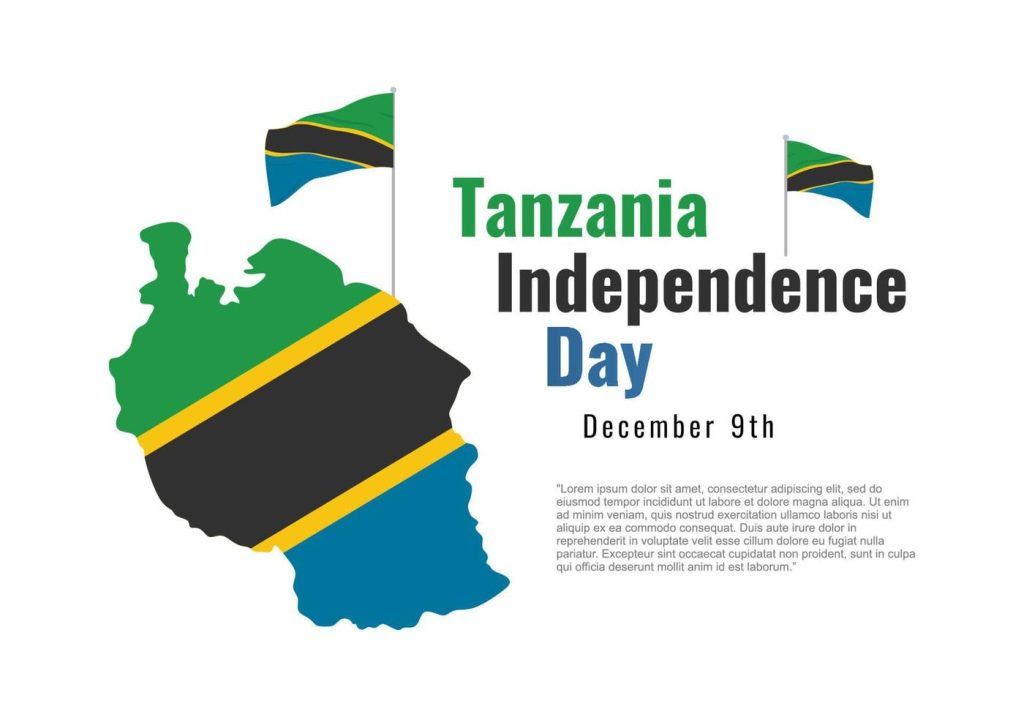
Prime Minister Mwigulu Nchemba announced the decision Monday during a visit to road maintenance sites in Dar es Salaam, marking the first time in the country’s history that the national holiday will pass without official commemoration since independence from British colonial rule in 1961.
“The president has ordered that on December 9 there will be no celebrations to honour Independence Day,” Nchemba told reporters. “The funds that were to be used will be directed toward repairing infrastructure that was destroyed.”
Disputed Election Sparks National Crisis
The cancellation follows weeks of unrest triggered by the October 29 presidential election, in which incumbent President Samia Suluhu Hassan claimed victory with 98% of the vote—a result opposition parties have denounced as fraudulent.
The election was marred by controversy from the outset. Opposition leader Tundu Lissu was detained on treason charges prior to the vote, which he denies, while another challenger, Luhaga Mpina, had his candidacy rejected on technical grounds. The circumstances effectively left Hassan without significant opposition on the ballot.
Protests erupted across major urban centers including Dar es Salaam and Dodoma following the announcement of results. Opposition groups claim hundreds of civilians were killed in a subsequent government crackdown, though authorities have not released an official death toll. The government has established a commission of inquiry, but opposition leaders have questioned its independence.
At least 240 people were charged with treason in connection with the demonstrations, though President Hassan later instructed prosecutors to “show leniency,” leading to the release of many detainees.
Infrastructure Damage and Economic Fallout
The unrest has taken a significant toll on Tanzania’s economy and infrastructure. The Port of Dar es Salaam, a critical trade gateway for the landlocked countries of the East African interior, suffered major disruptions that forced some international shipping lines to reroute operations to Kenya’s Port of Mombasa.
The violence has particularly impacted Tanzania’s informal economy, which provides livelihoods for approximately 80% of the population. Roads, public buildings, and commercial facilities across multiple cities sustained damage during the protests.
Opposition groups have called for renewed demonstrations on Independence Day to protest what they describe as extrajudicial killings and government repression.
ICC Petition Alleges Crimes Against Humanity
Separately, lawyers representing alleged victims have submitted an 82-page dossier to the International Criminal Court in The Hague, accusing President Hassan’s government of committing widespread crimes against humanity.
The document, backed by the World Jurists Association and the Madrid Bar Association, details allegations including murder, extermination, torture, enforced disappearances, and systematic intimidation of political opposition.
The petition was filed under Article 15(2) of the Rome Statute, which allows individuals and organizations to submit information urging the ICC Prosecutor to open a formal investigation. The court has not announced whether it will proceed with an investigation.
Government Appeals for Unity
In his announcement Monday, Prime Minister Nchemba called for national reconciliation and urged Tanzanians to reject further violence.
“I urge my fellow Tanzanians to come together and discuss the issues affecting us,” he said. “Let us not return to what we went through, because the consequences are irreparable.”
The crisis represents the most significant challenge to Tanzania’s political stability in recent years and has drawn concern from international observers and regional bodies including the African Union and the East African Community.
As the nation approaches what would have been its 64th Independence Day celebration, questions remain about how Tanzania will navigate the deep political divisions that have emerged in the wake of the contested election.
Follow us on X




VIDEO: Hannah Benta Caught Up in Leaked Video Controversy Involving Baby Daddy Sammir

Explained: Why Your Charger Cable Has That Small Lump — and What It Actually Does

VIDEO: Every Goal Scored in the Premier League This Weekend — Matchweek 30

Russian TikToker’s Videos Include Encounter with Older Woman, Raising Further Consent Concerns

East Africa’s Richest Musicians 2025: The Wealth Rankings Revealed

Why Gachagua Was Absent at Raila’s Farewell, According to His Camp
-

 Gossip1 week ago
VIDEOS: What Happened In Naivasha During The Weekend Has Boyfriends Crying
-
 Gossip12 hours ago
VIDEO: Hannah Benta Caught Up in Leaked Video Controversy Involving Baby Daddy Sammir
-

 Gossip1 week ago
The Cheeky Couple Video That Broke Social Media This Week
-

 Mombasa1 week ago
VIDEO: Mackenzie’s Lawyer Challenges Police to Prove Shakahola Victims Are Not in Heaven
-
 Education1 week ago
Israeli Government Announces Fully Funded Postgraduate Scholarships for Kenyans
-

 Education1 week ago
How to Apply for Kenya Utalii College Through KUCCPS — Diploma and Certificate Applications Now Open
-
 News14 hours ago
Explained: Why Your Charger Cable Has That Small Lump — and What It Actually Does
-
 News1 week ago
VIDEO: Every Goal Scored in the Premier League This Weekend — Matchweek 30