
News
Senator Oburu Declares Himself ODM’s Automatic Presidential Flagbearer
NAIROBI, Kenya — Siaya Senator Oburu Oginga has drawn a firm line in the sand regarding his political ambitions, declaring himself the rightful presidential candidate for the Orange Democratic Movement should the party choose to contest independently in upcoming elections.
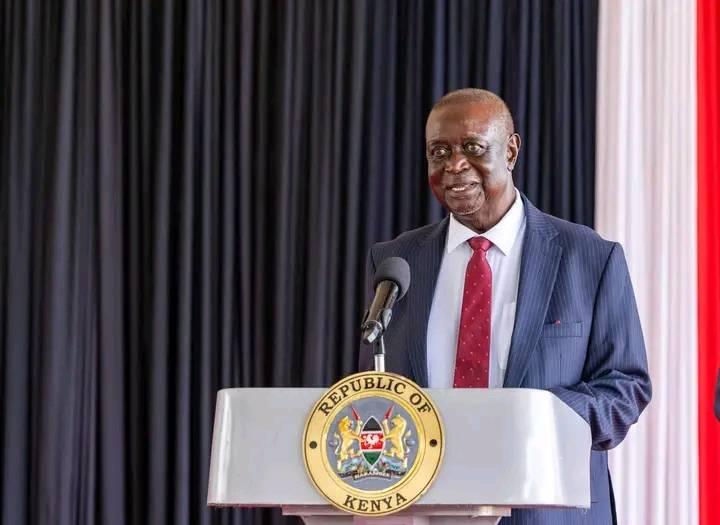
Speaking on December 31, 2025, Oburu invoked constitutional provisions to cement his position as ODM’s standard-bearer, effectively closing the door on internal challengers eyeing the top spot. His announcement has ignited fresh tensions within the opposition party, which has been navigating turbulent waters since assuming new leadership dynamics.
“I want to make it absolutely clear that our constitution already has a presidential candidate and that presidential candidate is the party leader,” Oburu stated emphatically. “I am the presidential candidate for ODM if ODM decides to go it alone. Anybody who is preparing himself to go for a presidential election in ODM, they should go to another party.”
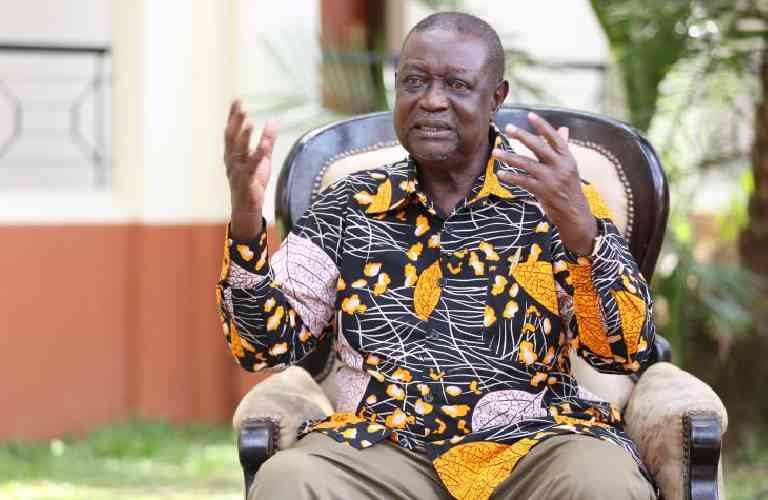
The senator’s bold declaration comes as ODM grapples with internal divisions and questions about its direction following significant leadership transitions. Having stepped into a more prominent role within the party hierarchy, Oburu faces the challenge of uniting factions while maintaining ODM’s political relevance in Kenya’s evolving landscape.
His comments particularly targeted would-be contenders within party ranks, suggesting that aspirants harboring presidential dreams should seek platforms elsewhere rather than challenge established constitutional structures. This hardline stance represents a calculated effort to eliminate ambiguity about succession and leadership protocols within the movement.
However, Oburu’s assertion has not been met with universal acceptance. Internal party dynamics have exposed deepening fractures, with prominent figures openly clashing over strategy and direction. National Assembly Minority Leader Junet Mohamed and Secretary General Edwin Sifuna have engaged in public disagreements that underscore the broader leadership crisis brewing within ODM circles.
The senator defended ODM’s current cooperative arrangements with President William Ruto’s administration, pushing back against critics who suggest the party has compromised its opposition credentials. “ODM remains strong and unsellable,” he insisted, despite growing skepticism from grassroots supporters and political observers who question whether the party’s collaboration with government undermines its traditional base.
These controversies arrive at a critical juncture for ODM, which faces crucial party elections in 2026 that will determine its organizational structure ahead of the 2027 general election. Political analysts warn that internal conflicts could erode voter confidence, particularly among constituencies that have historically viewed ODM as Kenya’s primary opposition force.
Critics within and outside the party argue that public infighting projects weakness and may alienate supporters who expect unified leadership. The spectacle of senior officials contradicting each other in media appearances has fueled perceptions of an organization struggling to define its identity and purpose in the current political environment.
Oburu’s constitutional argument hinges on provisions that automatically designate the party leader as the presidential flagbearer when ODM fields candidates independently. While this interpretation may have legal grounding within party documents, its practical application faces scrutiny given the complex political calculations required for successful presidential campaigns.
The debate over ODM’s presidential candidacy reflects broader questions about opposition politics in Kenya. With traditional alliances shifting and new coalitions forming, parties must balance internal cohesion with external partnerships to remain competitive in increasingly fluid electoral contests.






Fatal Consequences: Man Loses Life After Singing Tutam at Sifuna’s Kakamega Rally

KRA Targets Nil Tax Returns Filers as New Compliance Crackdown Takes Effect

Russian Man’ Unmasked: Govt Officially Names Vladislav Luilkov in Non-Consensual Recording Scandal

Russian TikToker’s Videos Include Encounter with Older Woman, Raising Further Consent Concerns

East Africa’s Richest Musicians 2025: The Wealth Rankings Revealed

Why Gachagua Was Absent at Raila’s Farewell, According to His Camp
-
 Gossip1 week ago
Russian TikToker’s Videos Include Encounter with Older Woman, Raising Further Consent Concerns
-

 Gossip4 days ago
Foreign Tourist’s Viral Uganda Video Ignites Social Media Frenzy Over “Intense Cultural Exchange”
-

 Gossip6 days ago
Woman Unalives Herself On Facebook Live As Viewers Begged Her To Stop
-

 Jobs1 week ago
Kenya Government to Recruit 50,000 Police Officers and Teachers in 2026: Major Public Sector Expansion Announced
-

 Education1 week ago
KNEC to Introduce New KCSE Certificates as Digital Era Begins
-

 Gossip5 days ago
Fake Model Casting Agency Under Fire After Disturbing Video Goes Viral
-

 Nairobi6 days ago
US Embassy in Nairobi Closed Monday for President’s Day Federal Holiday
-
 Education5 days ago
KUCCPS Releases Subject Requirements for All Degree Clusters: What Students Must Know Before Applying