
News
NTSA Issues Major Update on Design and Supply of Kenya’s New Smart Driving Licences
The 21-year partnership with KCB Bank and Pesa Print Limited aims to modernise Kenya’s driver licensing system and curb rising road fatalities.

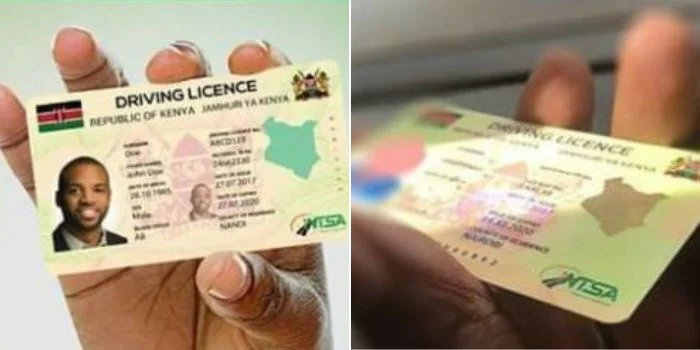
The National Transport and Safety Authority (NTSA) has unveiled plans to overhaul Kenya’s driving licence infrastructure through a Public-Private Partnership, introducing second-generation smart cards designed to strengthen road safety enforcement and eliminate fraud.
In a notice dated Tuesday, February 24, the Authority outlined a sweeping digital transformation of the country’s licensing framework, citing mounting pressure from a growing driver population, persistent document fraud, and a troubling rise in road fatalities over the past five years.
A System Under Strain
NTSA acknowledged that the existing licensing regime had failed to keep pace with demand, pointing to a steady deterioration in road safety outcomes as a key driver of the reforms. Road carnage fatalities climbed from approximately 4,000 in 2019 to more than 5,000 annually in 2024 and 2025.
“Kenya’s road transport and safety record is characterised by high levels of road carnages, road indiscipline, poor driver licensing systems, and weak enforcement of traffic violations,” the Authority stated in its notice.
The Partnership and Its Scope
To address these systemic failures, NTSA has entered into a 21-year PPP arrangement with KCB Bank Kenya and Pesa Print Limited. The consortium will be responsible for the design, supply, personalisation, distribution, and maintenance of the new smart driving licences.
The project carries an estimated cost of Ksh42 billion during the initial two to three years of implementation, financed entirely through private debt and equity, with no direct burden on the public purse.
How the New System Will Work
The new licences will be manufactured as five-layer polycarbonate smart cards embedded with electronic chips, replacing the current generation of physical documents. Driver information will be stored digitally and linked to a centralised database, enabling real-time enforcement and more efficient tracking of traffic violations.
NTSA plans to produce approximately five million cards every three years and targets a licence processing turnaround of between 24 and 48 hours once the system is fully operational.
To reduce congestion at existing offices, more than 102 registration centres will be established nationwide, supplemented by the deployment of over 390 enrolment kits to decentralise service delivery across the country.
Among the notable features of the new framework is the introduction of a digital mobile driving licence wallet. Through a dedicated application, drivers will be able to access their licence details, review their driving history, and manage their licence status from their smartphones. The platform will also support integrated payments, enabling settlement of licence fees and traffic fines via mobile money, USSD, and conventional banking channels.
The reforms will additionally introduce a demerit points system, under which drivers who repeatedly violate traffic regulations will accumulate penalties that may result in licence suspension or mandatory retraining.
The prescribed fee for the issuance, replacement, or duplication of a smart driving licence will be set at Ksh3,000.














“He Left Home Healthy”: Mother’s Anguish as Son Dies Suddenly at School in Nakuru

NTSA Issues Major Update on Design and Supply of Kenya’s New Smart Driving Licences

KUCCPS Opens Kenya School of Law Diploma Applications for May 2026 Intake

Russian TikToker’s Videos Include Encounter with Older Woman, Raising Further Consent Concerns

East Africa’s Richest Musicians 2025: The Wealth Rankings Revealed

Why Gachagua Was Absent at Raila’s Farewell, According to His Camp
-

 Gossip6 days ago
Foreign Tourist’s Viral Uganda Video Ignites Social Media Frenzy Over “Intense Cultural Exchange”
-

 Gossip1 week ago
Woman Unalives Herself On Facebook Live As Viewers Begged Her To Stop
-

 Gossip7 days ago
Fake Model Casting Agency Under Fire After Disturbing Video Goes Viral
-

 Nairobi1 week ago
US Embassy in Nairobi Closed Monday for President’s Day Federal Holiday
-

 Education7 days ago
KUCCPS Releases Subject Requirements for All Degree Clusters: What Students Must Know Before Applying
-

 Education1 week ago
KCSE 2025 Result Slips Ready for Collection, KNEC Announces
-

 Forecast7 days ago
Will It Rain This Week? Heavy Downpours Expected in Central Kenya, Rift Valley and Coastal Regions
-

 News1 week ago
‘My Position is Safe’: DP Kindiki Shuts Down Political Speculation