
Featured
Museveni Warns Future Wars Could Erupt Over Uganda’s Access to the Sea
MBALE, Uganda – President Yoweri Museveni has issued a stark warning that landlocked Uganda’s constrained access to the Indian Ocean could lead to future regional wars, describing the current arrangement where coastal nations claim exclusive ownership of the sea as “madness.”
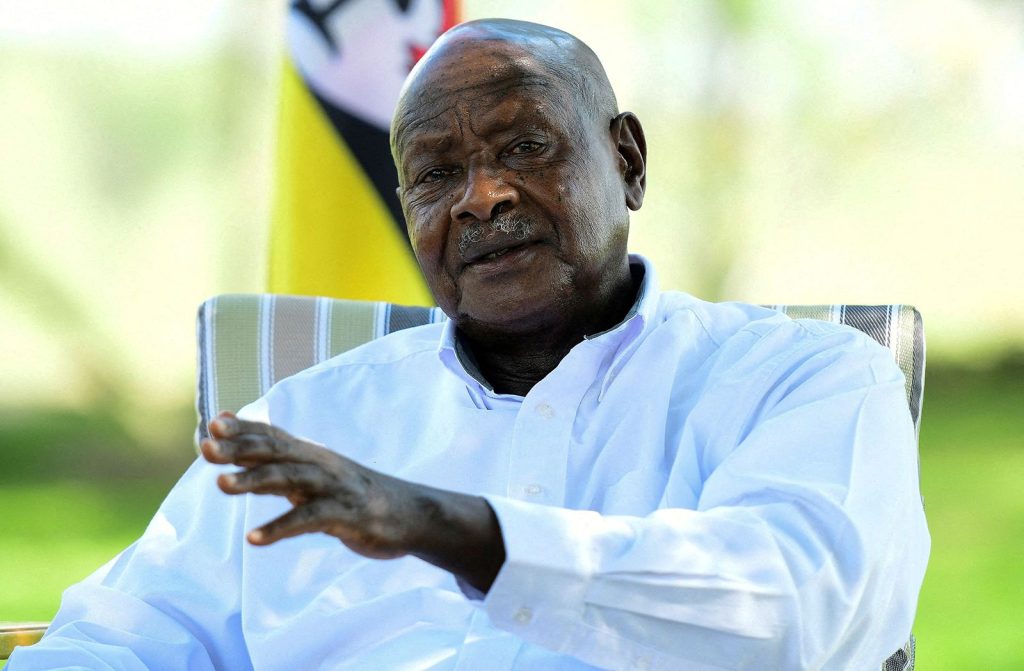
Speaking during a radio talk show at the Mbale State Lodge on Monday, the Ugandan leader delivered his most forceful remarks to date on maritime access, using a condominium analogy to argue that landlocked nations have equal rights to the ocean.
“How can you say that you are on a block of flats, that the compound belongs only to the flats on the ground floor?” Museveni asked rhetorically. “That compound belongs to the whole block. All the flats are entitled to the compound. Uganda is landlocked inside here. But where is my ocean? My ocean is the Indian Ocean.”
The veteran president, who has ruled Uganda since 1986, framed his argument around both economic and strategic concerns. “We don’t have access to the sea for economic purposes, but also for defence purposes,” he said. “You are stuck. How do I export my products? That is why we have had endless discussions with Kenya.”
His comments highlight Uganda’s heavy reliance on Kenyan infrastructure, with approximately 80% of its international trade passing through the port of Mombasa. This dependency has been a persistent source of tension between the East African neighbors.
“The political organization in Africa is so irrational,” Museveni continued. “Some of the countries have no access to the sea. That is why I say, you people, why don’t you see how to unite?”
In his most provocative statement, the president explicitly warned of potential conflict: “I am entitled to that ocean. In the future, we are going to have wars.”
The remarks come against a backdrop of historical tensions between Uganda and Kenya over maritime access. During the 1970s, Kenya blocked Uganda’s access following disputes with then-President Idi Amin, and the border was briefly closed again after Museveni came to power.
Museveni positioned regional integration as the solution, noting that it forms one of the seven key priorities in his presidential manifesto. “You better unite economically for the sake of prosperity,” he urged regional leaders. “If you want stability and also strength in the world… size matters.”
The Ugandan leader’s comments are likely to reverberate across diplomatic circles in East Africa, particularly in Nairobi, which has traditionally viewed the Indian Ocean coastline as sovereign Kenyan territory. As regional economic blocs work toward greater integration, Museveni’s warning signals that the question of maritime access remains a potentially volatile issue in East African relations.
Follow us on Facebook





VIDEO: Every Goal Scored in the Premier League This Weekend — Matchweek 30

EPRA Sets Fuel Prices for March-April 2026 — Here Is What You Will Pay

Israeli Government Announces Fully Funded Postgraduate Scholarships for Kenyans

Russian TikToker’s Videos Include Encounter with Older Woman, Raising Further Consent Concerns

East Africa’s Richest Musicians 2025: The Wealth Rankings Revealed

Why Gachagua Was Absent at Raila’s Farewell, According to His Camp
-

 Gossip5 days ago
VIDEOS: What Happened In Naivasha During The Weekend Has Boyfriends Crying
-

 Gossip1 week ago
Morara Kebaso’s Secret Mombasa Getaway With Slay Queen Laid Bare in Shocking Audio Leak
-

 Gossip1 week ago
VIDEO: Kenyan Female Chemist Attendant Goes Viral After Video Shows Her Helping Male Customer Put On Protection — Public Reacts
-

 Gossip1 week ago
Watch Video: Vihiga Man Takes Selfie Of Wife and Pastor During Mechi
-

 Gossip1 week ago
The Cheeky Couple Video That Broke Social Media This Week
-

 Mombasa1 week ago
VIDEO: Mackenzie’s Lawyer Challenges Police to Prove Shakahola Victims Are Not in Heaven
-
 Education1 week ago
How to Apply for Kenya Utalii College Through KUCCPS — Diploma and Certificate Applications Now Open
-
 Education5 days ago
Israeli Government Announces Fully Funded Postgraduate Scholarships for Kenyans