
Mombasa
Mombasa Positions Itself as Regional Logistics Hub Following High-Level Saudi-Kenyan Investment Talks
By Feddy Madebe
Governor Nassir Hosts Saudi Business Delegation to Address Port Congestion and Enhance Trade Infrastructure
Mombasa, Kenya – Mombasa County Governor Abdulswamad Shariff Nassir on Thursday 29th January 2026 hosted a high-level investment delegation from the Saudi-Kenyan Business Council, marking a significant step toward positioning Kenya’s coastal city as East Africa’s premier logistics gateway and addressing critical infrastructure challenges that have hampered port operations.
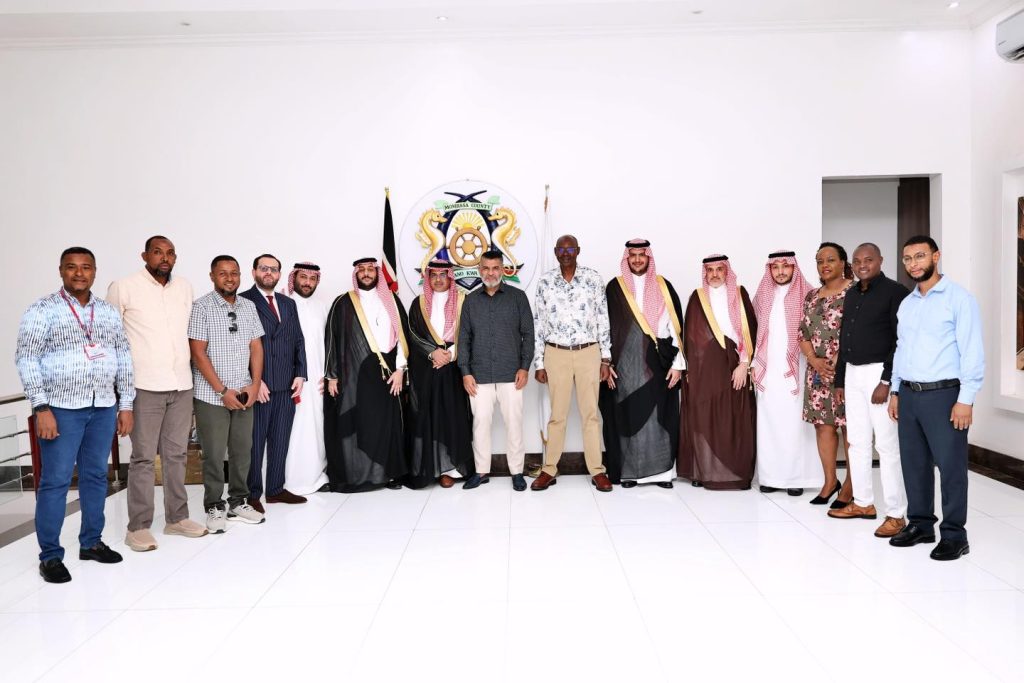
The delegation, led by Saudi-Kenyan Business Council Chairman Mubarak Lahem Al-Ammar, was accompanied by Dr. Eric K. Rutto, President of the Kenya National Chamber of Commerce and Industry (KNCCI), and the Deputy Ambassador of the Kingdom of Saudi Arabia to Kenya. The meeting focused on unlocking investment opportunities that could transform Mombasa’s logistics infrastructure and resolve longstanding operational bottlenecks.
Strategic Discussions on Port Modernization
During the productive engagement at the Mombasa County Government offices, Governor Nassir outlined the county’s vision for transforming the coastal city into a world-class logistics and trade hub, emphasizing the urgent need for practical investment solutions to address port-related congestion and the perennial challenge of trucks parking along public roads.
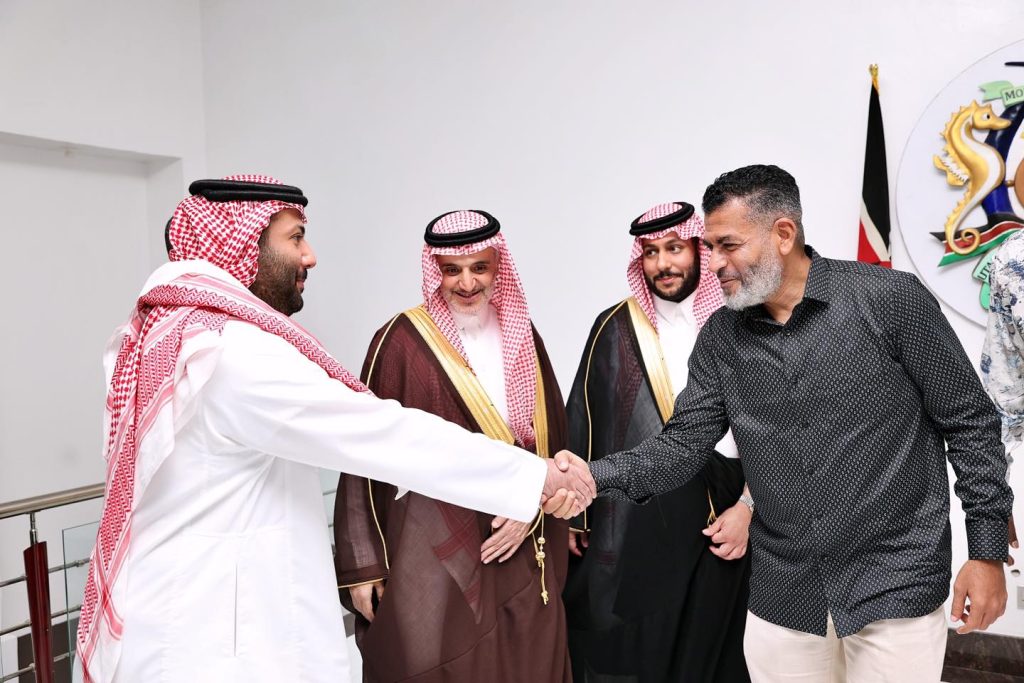
“We held productive discussions on positioning Mombasa as a premier regional logistics hub, including practical investment solutions to ease port-related congestion and address the challenge of trucks parking along our roads,” Governor Nassir stated following the meeting.
The governor underscored that strengthening logistics infrastructure, operational efficiency, and last-mile connectivity remains central to unlocking Mombasa’s full economic potential and enhancing the port’s competitiveness as East Africa’s primary maritime gateway.
Addressing Critical Port Challenges
The timing of the Saudi business delegation’s visit comes at a critical juncture for Mombasa Port, which has been grappling with severe congestion challenges that have threatened to undermine its position as the region’s leading maritime facility.
Recent data from the Shippers Council of Eastern Africa indicates that between 50,000 and 52,000 Twenty-foot Equivalent Units (TEUs) were stacked within port yards as of December 2025, with at least 20 vessels queuing offshore waiting to berth. The congestion crisis has been exacerbated by a surge in cargo volumes, with the port handling over 2.2 million TEUs in 2024, representing a 23 percent year-on-year increase.
Industry stakeholders have identified several bottlenecks affecting port operations, including inadequate empty container depot capacity, poor coordination between shipping lines and depot operators, and infrastructure constraints that have resulted in trucks parking along city roads while waiting to offload containers.
The Kenya Transporters Association has reported that more than 600 trucks park around the port daily, with some waiting for several days at container freight stations, raising logistics costs by more than 40 percent and disrupting supply chain efficiency across the region.
Saudi-Kenya Economic Partnership
The visit by the Saudi-Kenyan Business Council delegation builds on growing economic cooperation between Kenya and the Kingdom of Saudi Arabia. In February 2025, the Federation of Saudi Chambers of Commerce and the Kenya National Chamber of Commerce and Industry formalized their partnership by signing an agreement to establish the joint Saudi-Kenyan Business Council.
The council was created to expand economic cooperation between the two nations, with a focus on enhancing trade and investment partnerships, facilitating continuous business engagement, sharing market intelligence, and organizing exhibitions, conferences, and trade delegations.
Chairman Mubarak Lahem Al-Ammar’s visit to Mombasa represents a concrete step toward translating this bilateral framework into tangible investment opportunities, particularly in infrastructure development and logistics modernization.
Dr. Eric Rutto, who has been championing enhanced economic diplomacy since his election as KNCCI President in 2023, emphasized the chamber’s role in bridging international investors with Kenya’s public and private sectors. Under his leadership, KNCCI has expanded its international footprint, recently establishing a Dubai office to protect Kenyan exporters and strengthen market linkages in the Gulf region.
Mombasa’s Strategic Economic Positioning
Governor Nassir, who assumed office in August 2022 as Mombasa’s third governor under the devolved system, has made economic transformation and infrastructure development central pillars of his administration. The governor, who also serves as Deputy Party Leader of the Orange Democratic Movement (ODM), has consistently advocated for policies that position Mombasa as a competitive regional economic hub.
Under his leadership, the County Government of Mombasa has achieved notable milestones, including the city being ranked 18th cleanest in Africa by Africa Report in 2024 – a position never previously attained by a Kenyan city. Governor Nassir has also launched scholarship programs for needy students and has been working closely with national agencies to address urban planning challenges, including building safety inspections.
The governor’s focus on logistics infrastructure aligns with broader national development priorities. Mombasa Port serves not only Kenya but also landlocked countries including Uganda, Rwanda, South Sudan, and the Democratic Republic of Congo, making its efficiency critical to regional trade.
Investment Opportunities and Solutions
The discussions between Governor Nassir and the Saudi-Kenyan delegation explored several investment areas aimed at addressing current challenges and positioning Mombasa for future growth:
Container Depot Infrastructure: Investment in modern, expanded empty container depots in strategic locations outside congested urban corridors, particularly in areas such as Mariakani and Bonje, which offer more space and better infrastructure for growth.
Truck Parking and Holding Facilities: Development of designated truck holding zones equipped with basic amenities to prevent vehicles from parking along public roads, reducing traffic congestion and improving urban mobility.
Digital Logistics Systems: Implementation of advanced technology-driven cargo tracking and management systems to improve coordination between shipping lines, port authorities, transporters, and depot operators.
Last-Mile Connectivity Enhancement: Investment in road infrastructure and hinterland connectivity to facilitate faster cargo evacuation from the port to inland destinations and neighboring countries.
Port Modernization: Upgrading port handling equipment, expanding yard capacity, and improving operational efficiency to accommodate growing cargo volumes.
Regional Competitiveness and Future Outlook
The Saudi investment interest comes as Mombasa Port faces increasing competition from neighboring facilities, particularly following recent upgrades at Tanzania’s Dar es Salaam Port. However, recent political instability in Tanzania following its December 2025 general elections has resulted in cargo diversions to Mombasa, highlighting the port’s strategic importance and resilience.
Kenya Ports Authority Managing Director Captain William Ruto has acknowledged infrastructure limitations, noting that while Mombasa was designed to hold approximately 8,000 TEUs, it has been forced to accommodate significantly higher volumes due to cargo growth.
The Kenya Revenue Authority and Kenya Ports Authority have recently rolled out digital reforms aimed at decongesting the port, reducing cargo dwell time, and accelerating clearance through technology-driven approaches. These reforms, announced in late January 2026, include expanded pre-arrival processing frameworks, enhanced digital systems integration, and coordinated efforts to transfer long-stay consignments to designated container freight stations.
Significance for East Africa
The potential for Saudi investment in Mombasa’s logistics infrastructure carries implications beyond Kenya’s borders. As East Africa’s primary maritime gateway, improvements to Mombasa Port’s efficiency directly impact trade flows, supply chain costs, and economic competitiveness across the entire region.
The discussions between Governor Nassir and the Saudi delegation demonstrate growing international confidence in Kenya’s economic potential and recognition of Mombasa’s strategic position in facilitating trade between Africa, the Middle East, and global markets.
Saudi Arabia has been expanding its economic footprint in Africa, with Kenya representing a key partner on the continent. The Kingdom’s interest in infrastructure development aligns with its Vision 2030 objectives of economic diversification and expanding international investment portfolios.
Next Steps and Implementation
Following the initial discussions, stakeholders anticipate that the Saudi-Kenyan Business Council will conduct detailed feasibility studies on proposed investment projects and develop implementation timelines for priority interventions.
The Mombasa County Government has pledged to work collaboratively with national agencies, including the Kenya Ports Authority, Kenya Maritime Authority, and Kenya Revenue Authority, to create an enabling environment for private sector investment in logistics infrastructure.
Governor Nassir has consistently emphasized the importance of public-private partnerships in driving economic transformation, and the Saudi investment interest provides a model for how international capital can address critical infrastructure gaps while generating sustainable returns.
Broader Economic Context
The Saudi delegation’s visit to Mombasa forms part of Kenya’s broader strategy to attract Gulf investment across multiple sectors. Recent high-level engagements between Kenyan and Saudi officials have explored cooperation in energy, agriculture, technology, construction, and hospitality.
Kenya’s complementary economy – strong in agriculture, tourism, and services – aligns well with Saudi Arabia’s industrial and capital strengths, creating natural synergies for mutually beneficial investment partnerships.
The establishment of direct flights between Kenya and Saudi Arabia has further facilitated business engagement and trade flows between the two nations, with both governments committed to removing barriers to investment and commerce.
Conclusion
As Governor Abdulswamad Nassir continues to position Mombasa as a competitive regional logistics hub, the engagement with Saudi investors represents a critical opportunity to mobilize capital for infrastructure development, address operational challenges, and enhance the port’s capacity to serve as East Africa’s premier maritime gateway.
The success of these discussions will be measured not only in investment commitments but in tangible improvements to port efficiency, reduced logistics costs, enhanced regional competitiveness, and job creation for Mombasa residents.
With productive dialogue established between Kenyan and Saudi business leaders, stakeholders now await concrete proposals that can translate strategic vision into operational reality, ensuring that Mombasa fulfills its potential as the engine of East African trade and commerce.
About the Participants:
Governor Abdulswamad Shariff Nassir serves as the third Governor of Mombasa County under Kenya’s devolved government system. Elected in August 2022, he previously served as Member of Parliament for Mvita Constituency from 2013 to 2022. He is also Deputy Party Leader of the Orange Democratic Movement (ODM).
Mubarak Lahem Al-Ammar serves as Chairman of the Saudi-Kenyan Business Council, established in February 2025 to facilitate economic cooperation between Saudi Arabia and Kenya.
Dr. Eric K. Rutto has been President of the Kenya National Chamber of Commerce and Industry since 2023. He is also the founder of Reale Group of Hospitals and serves as Chairperson of the Board of Trustees of the Water Sector Trust Fund. Under his leadership, KNCCI has expanded its international presence, including opening an office in Dubai to protect Kenyan exporters.
Disclaimer: This article is based on statements from Governor Abdulswamad Nassir and supporting research on current developments at Mombasa Port and Kenya-Saudi Arabia economic relations as of January 2026.





VIDEO: Every Goal Scored in the Premier League This Weekend — Matchweek 30

EPRA Sets Fuel Prices for March-April 2026 — Here Is What You Will Pay

Israeli Government Announces Fully Funded Postgraduate Scholarships for Kenyans

Russian TikToker’s Videos Include Encounter with Older Woman, Raising Further Consent Concerns

East Africa’s Richest Musicians 2025: The Wealth Rankings Revealed

Why Gachagua Was Absent at Raila’s Farewell, According to His Camp
-

 Gossip5 days ago
VIDEOS: What Happened In Naivasha During The Weekend Has Boyfriends Crying
-

 Gossip1 week ago
Morara Kebaso’s Secret Mombasa Getaway With Slay Queen Laid Bare in Shocking Audio Leak
-

 Gossip1 week ago
VIDEO: Kenyan Female Chemist Attendant Goes Viral After Video Shows Her Helping Male Customer Put On Protection — Public Reacts
-

 Gossip1 week ago
Watch Video: Vihiga Man Takes Selfie Of Wife and Pastor During Mechi
-

 Gossip1 week ago
The Cheeky Couple Video That Broke Social Media This Week
-

 Mombasa1 week ago
VIDEO: Mackenzie’s Lawyer Challenges Police to Prove Shakahola Victims Are Not in Heaven
-

 Education1 week ago
How to Apply for Kenya Utalii College Through KUCCPS — Diploma and Certificate Applications Now Open
-
 Education5 days ago
Israeli Government Announces Fully Funded Postgraduate Scholarships for Kenyans