
Business
KRA, KPA Unveil Major Reforms to Decongest Mombasa Port, Speed Up Cargo Clearance
By Feddy Madebe
The Kenya Revenue Authority and Kenya Ports Authority have jointly announced sweeping reforms designed to reduce congestion at the Port of Mombasa and accelerate cargo clearance processes.
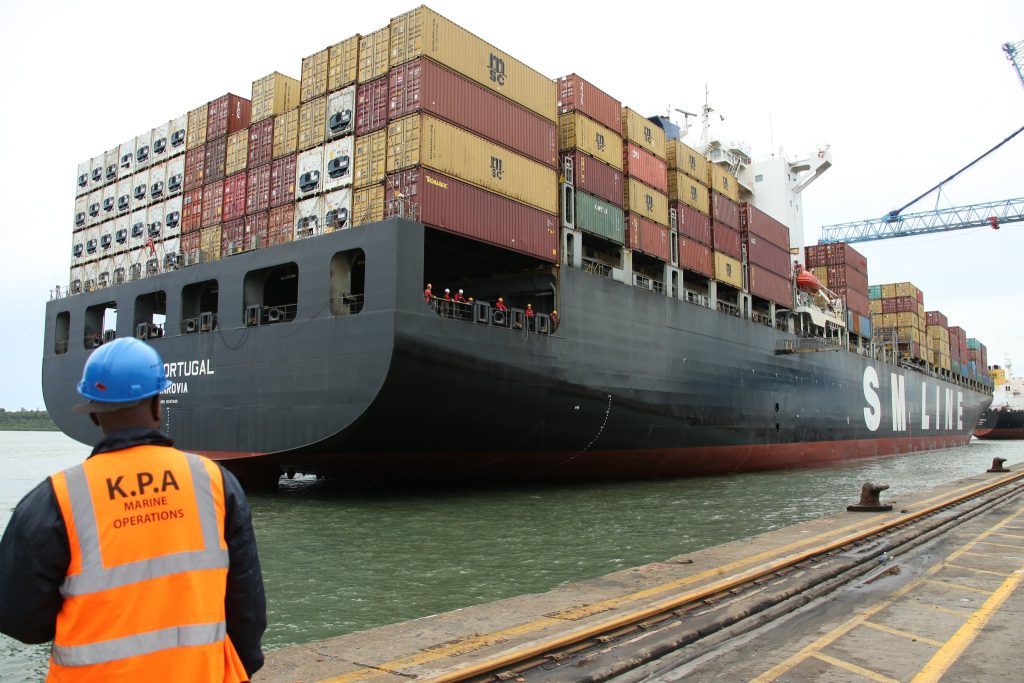
In a statement issued Saturday, January 24, KRA Commissioner General Humphrey Wattanga described the measures as a strategic transformation toward establishing a more predictable, efficient, and digitally integrated port operation.
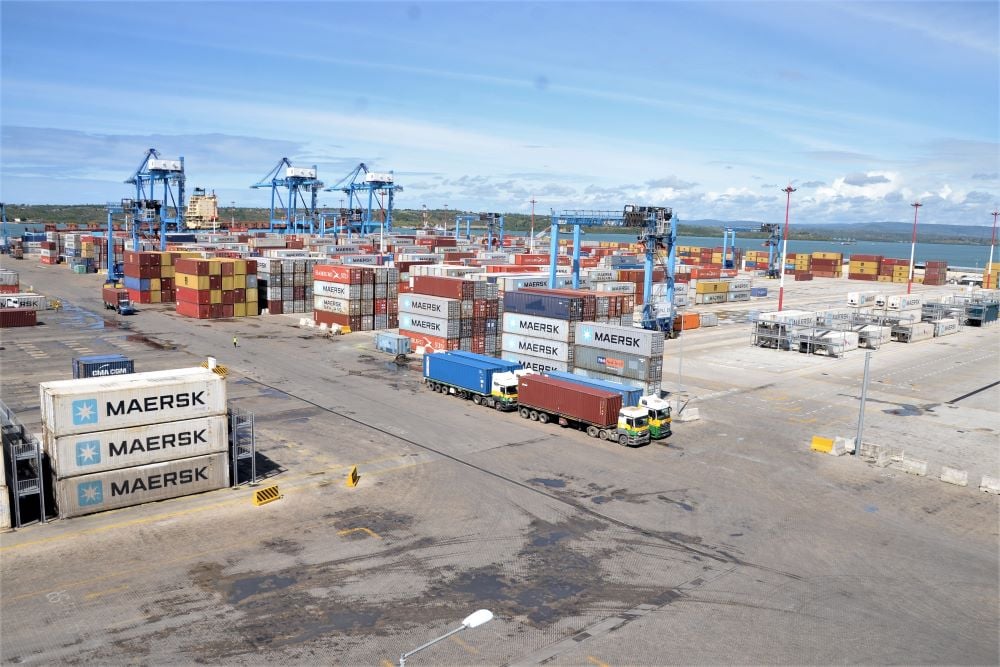
A central component of the reform package involves relocating overstayed consignments designated for auction or disposal to specified container freight stations. The initiative will begin with cargo that has exceeded the 21-day storage threshold at the port.
The evacuation operation will commence at the G-section of the facility and is anticipated to quickly release substantial yard capacity, alleviating congestion and enhancing operational efficiency.
Wattanga emphasized that the Port of Mombasa serves as a vital national and regional trade corridor, making operational improvements essential to maintaining Kenya’s competitive position in international commerce.
“The Port of Mombasa is not only a national asset but a critical regional gateway. Our objective is to eliminate bottlenecks, reduce cargo dwell time and build a predictable and efficient clearance system,” he stated.
To expedite processing procedures, KRA announced plans to expand its pre-arrival processing framework, prioritizing bulk cargo, low-risk shipments, and consignments from authorized economic operators.
The enhanced system will enable cargo documentation to be processed prior to vessel arrival, substantially reducing clearance timeframes, improving predictability, and minimizing operational delays, according to the revenue authority.
Addressing ongoing shortages of Regional Electronic Cargo Tracking System seals, KRA disclosed plans to implement a multi-vendor supply model through an open expression of interest process.
“This approach is expected to strengthen system resilience, ensure uninterrupted cargo tracking, and eliminate disruptions associated with seal shortages,” Wattanga explained.
Meanwhile, KRA and KPA leadership have committed to coordinating with Kenya Railways Corporation to deploy additional wagons on the Standard Gauge Railway, expediting cargo transfer to the Embakasi and Naivasha container depots.
The two authorities also agreed to increase utilization of Lamu Port for transhipment operations, reducing pressure on Kilindini harbor while maximizing the capabilities of Kenya’s northern maritime facility.
To improve empty container management, KPA has designated a specific area within the port exclusively for stacking and loading empty units, addressing previous handling inefficiencies.
The comprehensive reform package was announced following a high-level stakeholders’ meeting co-chaired by Wattanga and KPA Managing Director William Ruto, which convened key participants from the maritime and logistics sectors.
The coordinated effort between the two government agencies represents a significant policy shift aimed at positioning Mombasa as a more competitive regional trade hub and improving Kenya’s overall logistics infrastructure performance.





VIDEO: Every Goal Scored in the Premier League This Weekend — Matchweek 30

EPRA Sets Fuel Prices for March-April 2026 — Here Is What You Will Pay

Israeli Government Announces Fully Funded Postgraduate Scholarships for Kenyans

Russian TikToker’s Videos Include Encounter with Older Woman, Raising Further Consent Concerns

East Africa’s Richest Musicians 2025: The Wealth Rankings Revealed

Why Gachagua Was Absent at Raila’s Farewell, According to His Camp
-

 Gossip6 days ago
VIDEOS: What Happened In Naivasha During The Weekend Has Boyfriends Crying
-

 Gossip1 week ago
VIDEO: Kenyan Female Chemist Attendant Goes Viral After Video Shows Her Helping Male Customer Put On Protection — Public Reacts
-

 Gossip1 week ago
Morara Kebaso’s Secret Mombasa Getaway With Slay Queen Laid Bare in Shocking Audio Leak
-

 Gossip1 week ago
Watch Video: Vihiga Man Takes Selfie Of Wife and Pastor During Mechi
-

 Gossip1 week ago
The Cheeky Couple Video That Broke Social Media This Week
-

 Mombasa1 week ago
VIDEO: Mackenzie’s Lawyer Challenges Police to Prove Shakahola Victims Are Not in Heaven
-

 Education1 week ago
How to Apply for Kenya Utalii College Through KUCCPS — Diploma and Certificate Applications Now Open
-
 Education6 days ago
Israeli Government Announces Fully Funded Postgraduate Scholarships for Kenyans