Kilifi
Kilifi Governor Struggles to Explain Sh1.5 Billion Water Debt as Senate Probes Missing Revenue
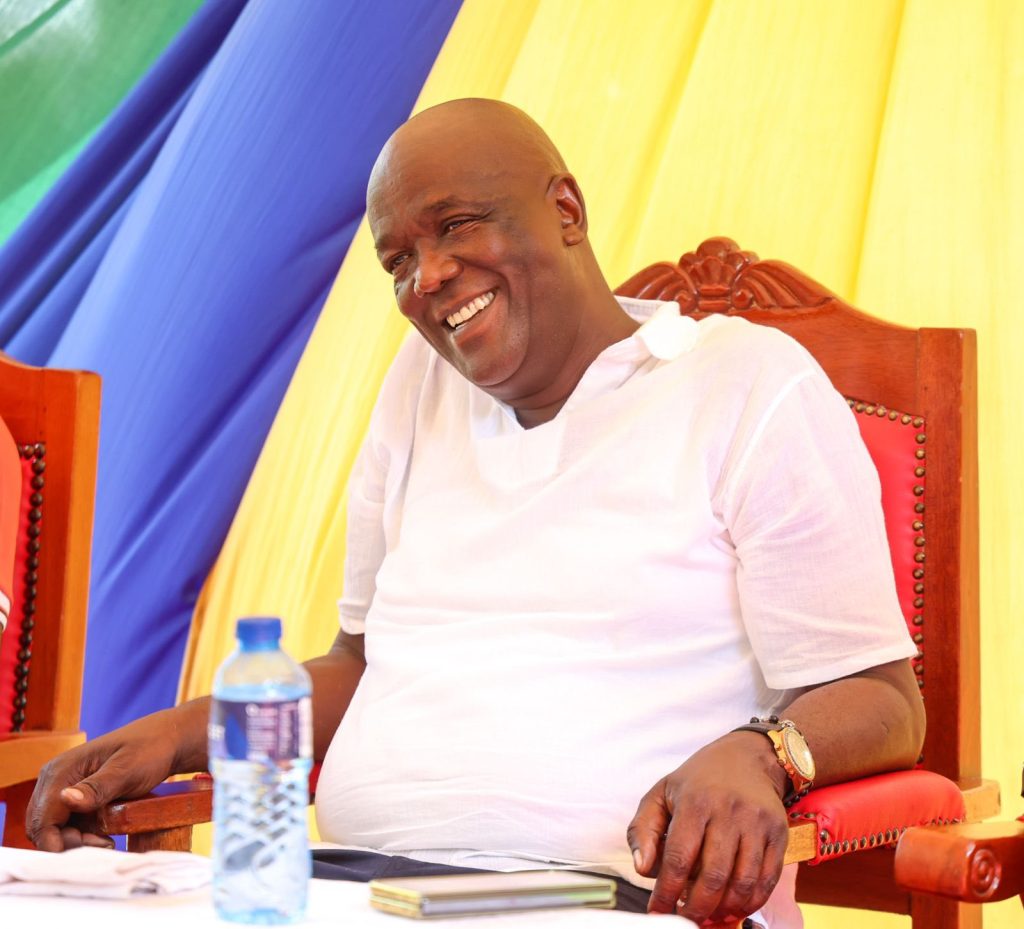
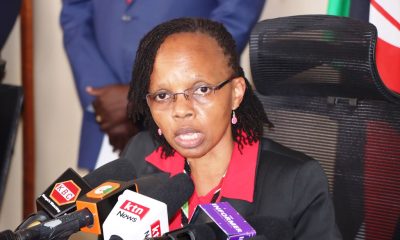
Kilifi Governor Gideon Mung’aro faced intense scrutiny from senators over his failure to account for more than Sh1.5 billion in water-related funds and unpaid electricity bills, which have contributed to severe water shortages after Kenya Power disconnected supply to pumping stations.
The Senate Committee on County Public Investments and Special Funds, led by Vihiga Senator Godfrey Osotsi, accused the county administration of being unable to explain what happened to over 42 percent of water revenue collected from residents who regularly receive and pay their bills.
Two water utilities in Kilifi County—the Kilifi Mariakani Water and Sewerage Company (Kimawasco) and Malindi Water and Sewerage Company (Mawasco)—are part of a broader regional crisis affecting five coastal water companies that collectively owe more than Sh5.5 billion, according to auditor-general reports.
During a session examining audit reports on Kilifi County entities, senators revealed that the devolved administration failed to remit a Sh35.8 million water bill to the Coast Water Works Development Agency (CWWDA) over the past three months alone.
The committee examined seven Kilifi water entities: Kilifi Municipality, Mariakani Municipality, Mtwapa Municipality, Malindi Municipality, Watamu Municipality, Kimawasco, and Mawasco. Senators emphasized the urgent need to address governance failures and financial management weaknesses across these operations, describing audit findings as evidence of operational collapse and fiscal distress.
At Malindi Water, non-revenue water—representing lost or unaccounted-for water—jumped dramatically from 16 percent in the previous financial year to 42 percent in 2024-2025, a development that Senator Osotsi characterized as highly irregular.
“A jump of this magnitude is not normal. It raises a serious question about whether water is being lost through leaks, theft or deliberate manipulation,” he stated.
Both Mawasco and Kimawasco have been classified by the auditor-general as technically insolvent, with significant doubts about their capacity to maintain operations. Committee members questioned why the county continues allocating resources to entities that fail fundamental sustainability assessments.
Nominated Senator Raphael Chimera rejected explanations provided by management as insufficient and contradictory.
“You cannot tell us you are insolvent and at the same time claim everything is under control. That contradiction is exactly what worries this committee,” he said, warning that uncontrolled non-revenue water losses were depleting company resources.
Governor Mung’aro acknowledged the operational difficulties but requested additional time from the committee to address the issues.
“We have put turnaround strategies in place to reduce non-revenue water and return these companies to profitability,” he told senators, though he did not provide specific timelines or budgeted recovery targets.
Senator Osotsi challenged the governor’s response as lacking substance. “Hope is not a strategy. Until you tell us how much is lost, who is responsible, and when it will stop, this committee remains unconvinced,” he said.
Data from CWWDA indicates that water service providers across Kilifi, Mombasa, Kwale, and Taita Taveta counties have accumulated combined debts exceeding Sh5.5 billion. These water companies carried over Sh900 million in debt prior to devolution in 2013.
From July 2012 to June 2025, the four coastal counties amassed Sh4.4 billion in water-related debt. Mombasa’s Mowasco accounts for Sh1.5 billion, Kimawasco owes Sh949.9 million, Mawasco has accumulated Sh585.7 million, Kwale’s Kwawasco owes Sh589.4 million, and Tavevo in Taita Taveta carries a debt of Sh863.4 million.
Between July and October 2025 alone, the counties added Sh63.4 million to their obligations. The breakdown shows Mowasco owing Sh20.7 million, Kimawasco Sh29.6 million, Mawasco Sh6.2 million, Kwawasco Sh30 million, and Tavevo Sh18.2 million for that period.
Kenya Power and Lighting Company reports that CWWDA owes more than Sh100 million, representing three months of unpaid electricity bills. Eric Lagat, KPLC Coast Regional Manager, indicated that the water agency’s monthly electricity costs range between Sh40 million and Sh60 million.
The mounting debt crisis has resulted in power disconnections at critical water pumping facilities, severely affecting water supply to residents across the coastal region who continue to pay their bills despite unreliable service.




VIDEO: Every Goal Scored in the Premier League This Weekend — Matchweek 30

EPRA Sets Fuel Prices for March-April 2026 — Here Is What You Will Pay

Israeli Government Announces Fully Funded Postgraduate Scholarships for Kenyans

Russian TikToker’s Videos Include Encounter with Older Woman, Raising Further Consent Concerns

East Africa’s Richest Musicians 2025: The Wealth Rankings Revealed

Why Gachagua Was Absent at Raila’s Farewell, According to His Camp
-

 Gossip6 days ago
VIDEOS: What Happened In Naivasha During The Weekend Has Boyfriends Crying
-

 Gossip1 week ago
VIDEO: Kenyan Female Chemist Attendant Goes Viral After Video Shows Her Helping Male Customer Put On Protection — Public Reacts
-

 Gossip1 week ago
Morara Kebaso’s Secret Mombasa Getaway With Slay Queen Laid Bare in Shocking Audio Leak
-
 Gossip1 week ago
Watch Video: Vihiga Man Takes Selfie Of Wife and Pastor During Mechi
-

 Gossip1 week ago
The Cheeky Couple Video That Broke Social Media This Week
-

 Mombasa1 week ago
VIDEO: Mackenzie’s Lawyer Challenges Police to Prove Shakahola Victims Are Not in Heaven
-
 Education1 week ago
How to Apply for Kenya Utalii College Through KUCCPS — Diploma and Certificate Applications Now Open
-
 Education5 days ago
Israeli Government Announces Fully Funded Postgraduate Scholarships for Kenyans