
Business
Kenyan Electricity Consumers Learn Why Same Amount Buys Different Units
Energy regulator, not power company, sets tariff rates that determine prepaid electricity costs
NAIROBI, Kenya — Many Kenyan households have long questioned apparent inconsistencies in prepaid electricity billing, wondering why identical purchases sometimes yield vastly different amounts of power units.
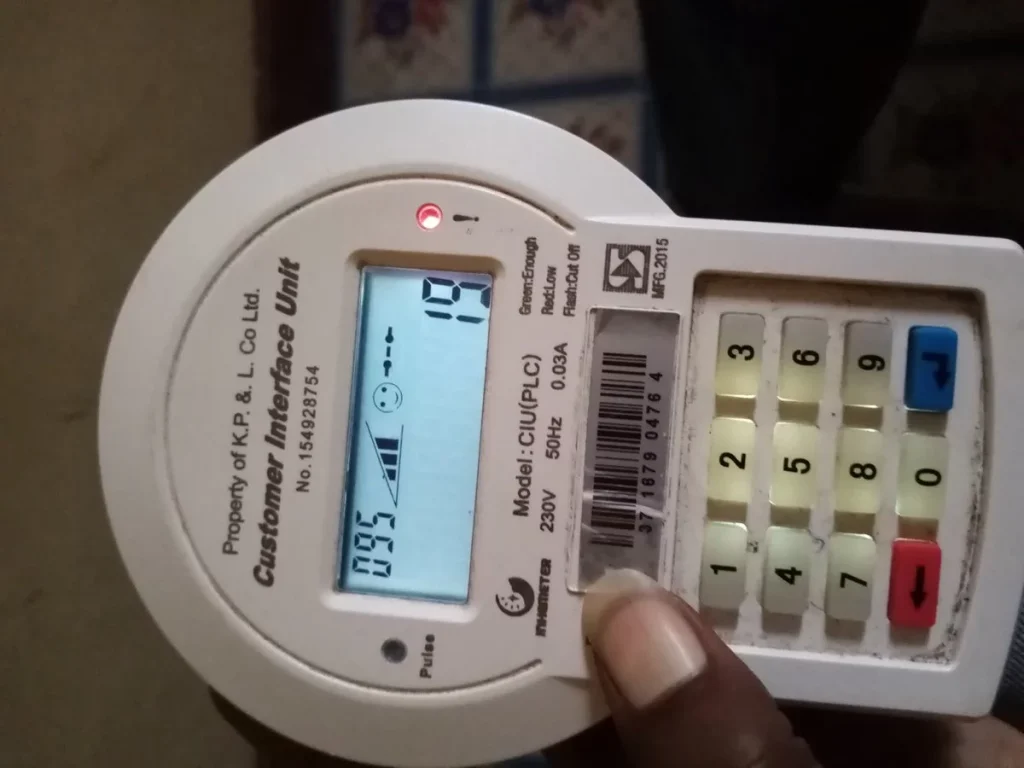
The confusion came into sharp focus recently when a customer’s social media complaint prompted Kenya Power and Lighting Company (KPLC) to clarify how electricity charges are actually calculated — revealing that power distribution companies have no role in setting the rates consumers pay.
The customer, posting on X, detailed purchasing 500 shillings worth of prepaid electricity for his mother, which provided 12.1 units. Later that day, a 1,000 shilling purchase for his own household yielded 38.4 units — not the 24.2 units he expected based on simple multiplication.
Tiered Consumption Categories Explain Price Variations
In response, KPLC explained that electricity pricing operates on a tiered system based on monthly consumption levels. Customers fall into three categories: DC-1 for households using up to 30 units monthly, DC-2 for those consuming between 30 and 100 units, and DC-3 for consumers exceeding 100 units per month.
Each tier carries different per-unit rates. DC-1 customers pay 12.14 shillings per unit, DC-2 consumers are charged 16.50 shillings per unit, and DC-3 households face the highest rate at 18.57 shillings per unit, before additional charges.
The disparity in units received indicated that the customer’s mother, despite receiving fewer units for her 500 shilling purchase, actually consumed more electricity monthly and fell into a higher pricing bracket than her son.
Regulatory Authority Controls Pricing Structure
When questioned about the criteria determining customer categorization, KPLC emphasized that it lacks authority to establish electricity tariffs. That responsibility rests exclusively with the Energy and Petroleum Regulatory Authority (EPRA).
According to the utility company, final costs reflect multiple variables including consumption volume, assigned tariff category, fuel prices, foreign exchange rates, and applicable government taxes.
“Electricity tariffs are set by EPRA, not Kenya Power,” the company stated. “The cost depends on how much power you use, your tariff category, fuel and forex costs, and applicable taxes. This is why the same amount may buy different units for different customers.”
The explanation has helped address widespread misconceptions among consumers who previously attributed billing variations to errors or deliberate overcharging by the power distributor, when in fact the tiered pricing structure automatically adjusts rates based on household consumption patterns.





VIDEO: Every Goal Scored in the Premier League This Weekend — Matchweek 30

EPRA Sets Fuel Prices for March-April 2026 — Here Is What You Will Pay

Israeli Government Announces Fully Funded Postgraduate Scholarships for Kenyans

Russian TikToker’s Videos Include Encounter with Older Woman, Raising Further Consent Concerns

East Africa’s Richest Musicians 2025: The Wealth Rankings Revealed

Why Gachagua Was Absent at Raila’s Farewell, According to His Camp
-

 Gossip6 days ago
VIDEOS: What Happened In Naivasha During The Weekend Has Boyfriends Crying
-

 Gossip1 week ago
VIDEO: Kenyan Female Chemist Attendant Goes Viral After Video Shows Her Helping Male Customer Put On Protection — Public Reacts
-

 Gossip1 week ago
Morara Kebaso’s Secret Mombasa Getaway With Slay Queen Laid Bare in Shocking Audio Leak
-

 Gossip1 week ago
Watch Video: Vihiga Man Takes Selfie Of Wife and Pastor During Mechi
-

 Gossip1 week ago
The Cheeky Couple Video That Broke Social Media This Week
-

 Mombasa1 week ago
VIDEO: Mackenzie’s Lawyer Challenges Police to Prove Shakahola Victims Are Not in Heaven
-
 Education1 week ago
How to Apply for Kenya Utalii College Through KUCCPS — Diploma and Certificate Applications Now Open
-
 Education5 days ago
Israeli Government Announces Fully Funded Postgraduate Scholarships for Kenyans