
Nairobi
Kenya Fuel Prices Drop as EPRA Announces January 2026 Price Cuts Across All Categories
Kenyan consumers will experience modest relief at the pump following the Energy and Petroleum Regulatory Authority’s announcement of reduced fuel prices effective from January 15 through February 14, 2026.
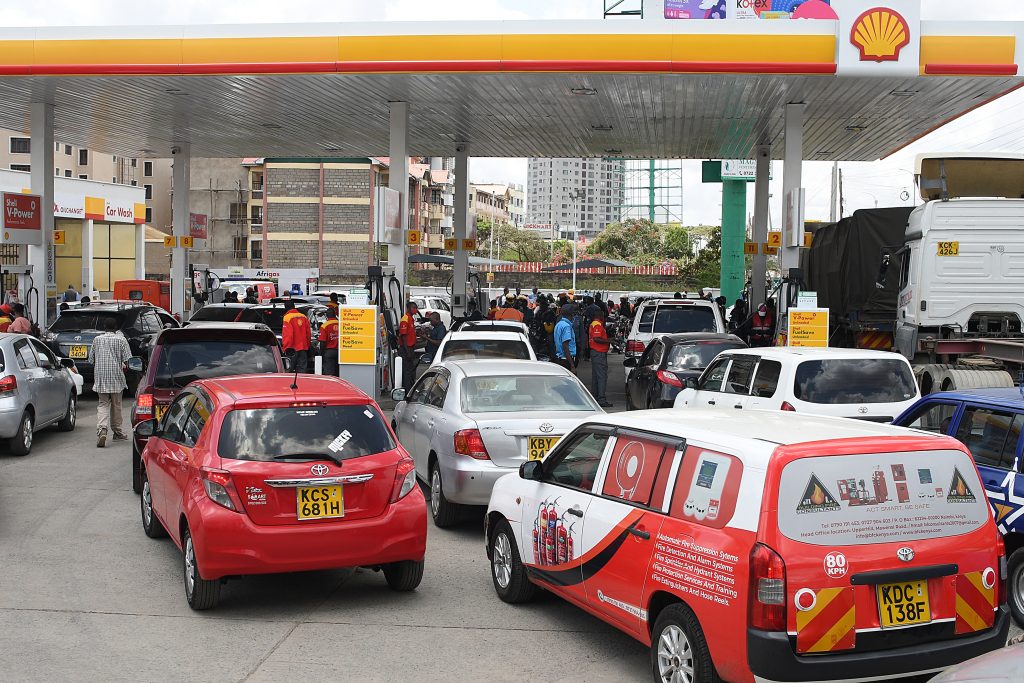
The regulatory body has decreased maximum retail prices for Super Petrol by two shillings per litre, while Diesel and Kerosene have each been reduced by one shilling per litre. The adjustment marks the first downward price movement after three consecutive months of stable pricing across the country’s petroleum market.
New Pricing Structure Takes Effect
Under the revised pricing framework, consumers in Nairobi will pay 182.52 shillings for a litre of Super Petrol, down from the previous 184.52 shillings. Diesel now retails at 170.47 shillings, reduced from 171.47 shillings, while Kerosene prices have dropped to 153.78 shillings from 154.78 shillings per litre.
The new rates, which became operational at midnight on January 15, will remain in effect for a standard 30-day cycle until mid-February.
Regional variations in pricing persist across the country due to transportation and distribution costs. Mombasa continues to record the most favorable rates among major urban centers, with Super Petrol available at 179.24 shillings, Diesel at 167.19 shillings, and Kerosene at 150.49 shillings per litre.
Conversely, Kisumu in western Kenya maintains the highest prices nationally, where motorists will pay 190.88 shillings for petrol, 178.83 shillings for diesel, and 162.13 shillings for kerosene. In the Rift Valley region, Nakuru’s prices stand at 181.56 shillings for petrol, 169.87 shillings for diesel, and 153.21 shillings for kerosene, while Eldoret residents will pay 182.38 shillings for petrol, 170.68 shillings for diesel, and 154.03 shillings for kerosene.
Currency Strength Bolsters Price Reduction
A key driver behind the price decrease has been the strengthening of Kenya’s currency against major international currencies. The Kenyan shilling has appreciated to approximately 128 units per US dollar, representing an improvement from the 132 level recorded in the previous quarter.
This currency appreciation of roughly three percent has translated into reduced costs for petroleum imports, which are procured in US dollars on international markets. The stronger shilling has enhanced Kenya’s purchasing power for essential energy commodities.
Import Costs Show Decline
According to the regulatory authority’s analysis, the average landing cost of imported petroleum products decreased during the review period. The landed cost of Super Petrol fell from approximately 73,800 shillings per cubic meter in the previous pricing cycle to around 71,500 shillings per cubic meter in January 2026.
Both Diesel and Kerosene similarly recorded reductions in their landing costs. These figures incorporate Free on Board prices, ocean freight charges, and insurance expenses associated with petroleum importation.
Economic Implications and Consumer Impact
The price reduction arrives at a time when Kenyan households and enterprises have been contending with sustained cost pressures across multiple sectors. Transportation expenses, which maintain direct correlation with fuel pricing, are anticipated to moderate marginally in response to the adjustment.
This development could potentially ease upward pressure on food prices and other consumer goods that depend extensively on road transport for distribution. The agricultural sector, which relies heavily on fuel for mechanized farming and product movement to markets, may also see some cost relief.
However, economic analysts have offered measured assessments of the reduction’s overall impact. While acknowledging the positive direction of the price movement, experts note that the decreases may have limited influence on broader inflationary trends, particularly when viewed against the cumulative fuel price increases experienced throughout the previous year.
Regulatory Oversight Continues
The Energy and Petroleum Regulatory Authority has committed to maintaining vigilant monitoring of both domestic and international petroleum market conditions. The regulator indicated it will continue adjusting prices monthly to reflect evolving market dynamics, international crude oil trends, and local economic circumstances.
The pricing mechanism takes into account multiple factors including global crude oil prices, exchange rate fluctuations, taxation levels, and distribution costs across Kenya’s diverse geographical regions.
As the country navigates ongoing economic challenges, the fuel price adjustment represents a modest but tangible development for consumers seeking relief from cost pressures. The sustainability of this downward trend will depend largely on international oil market stability and the continued performance of the Kenyan shilling in foreign exchange markets.





VIDEO: Every Goal Scored in the Premier League This Weekend — Matchweek 30

EPRA Sets Fuel Prices for March-April 2026 — Here Is What You Will Pay

Israeli Government Announces Fully Funded Postgraduate Scholarships for Kenyans

Russian TikToker’s Videos Include Encounter with Older Woman, Raising Further Consent Concerns

East Africa’s Richest Musicians 2025: The Wealth Rankings Revealed

Why Gachagua Was Absent at Raila’s Farewell, According to His Camp
-

 Gossip5 days ago
VIDEOS: What Happened In Naivasha During The Weekend Has Boyfriends Crying
-

 Gossip1 week ago
Morara Kebaso’s Secret Mombasa Getaway With Slay Queen Laid Bare in Shocking Audio Leak
-

 Gossip1 week ago
VIDEO: Kenyan Female Chemist Attendant Goes Viral After Video Shows Her Helping Male Customer Put On Protection — Public Reacts
-

 Gossip1 week ago
Watch Video: Vihiga Man Takes Selfie Of Wife and Pastor During Mechi
-

 Gossip1 week ago
The Cheeky Couple Video That Broke Social Media This Week
-

 Mombasa1 week ago
VIDEO: Mackenzie’s Lawyer Challenges Police to Prove Shakahola Victims Are Not in Heaven
-

 Education1 week ago
How to Apply for Kenya Utalii College Through KUCCPS — Diploma and Certificate Applications Now Open
-

 Education1 week ago
KUCCPS 2026: Marketable Degree Programmes With the Lowest Cut-Off Points in Kenyan Universities