
Diaspora
Kenya Demands UK Compel Soldiers to Pay Child Support for Kenyan-Born Children
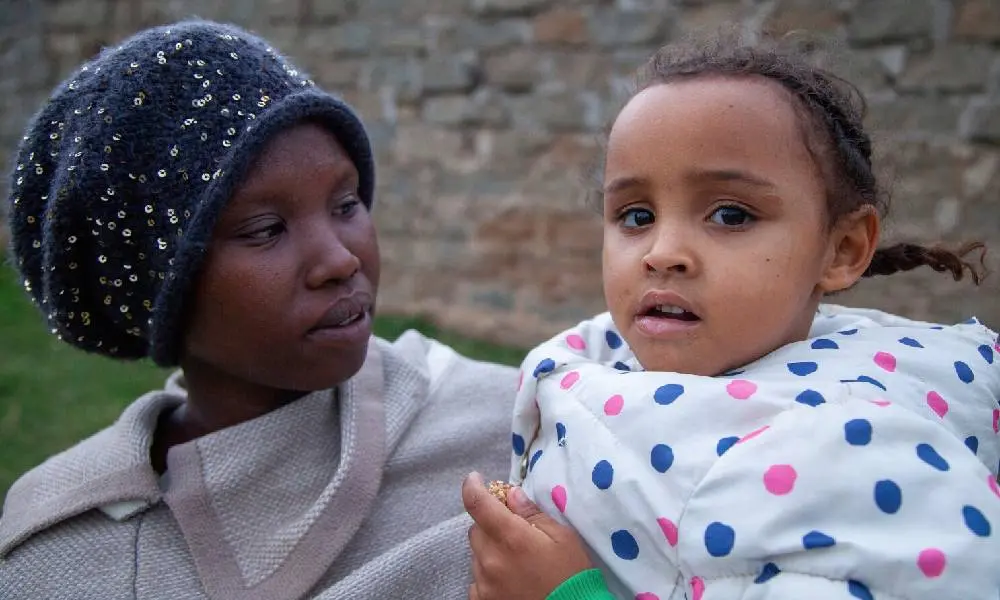
A push for sweeping legal reforms targeting foreign troops stationed in Kenya has placed the long-standing UK military training mission under fresh scrutiny. At the heart of the proposed changes is a binding requirement for visiting soldiers to provide financial support for children born to Kenyan mothers.
ALSO READ: Trump Praises Kenyan Athletes’ Dominance, Invites President Ruto to 2028 Los Angeles Olympics
The move follows a parliamentary investigation into the British Army Training Unit Kenya (BATUK), prompted by community petitions from the training areas of Laikipia and Samburu counties. Lawmakers concluded that the existing framework fails to protect Kenyan civilians, particularly women and children.
The Defence, Intelligence and Foreign Relations Committee’s report identifies a persistent gap in addressing paternity responsibilities. It directs the Kenyan government to formally demand that the United Kingdom establish enforceable mechanisms to ensure biological fathers within its forces meet their child support obligations.
“Children are being left without support due to jurisdictional complexities and the eventual departure of the parent,” the committee’s chair stated during a briefing. “Our laws must close this gap. Parental duty cannot be repatriated.”
This specific issue is part of a broader catalogue of grievances examined by the committee, which cites a “prevailing climate of impunity.” The report criticizes standard protocols where British soldiers accused of offences are withdrawn from local courts and handled under UK military justice, a process petitioners say denies victims meaningful recourse and leaves court-awarded compensation unpaid.
To address these systemic issues, the committee has mandated the Ministry of Defence to draft critical amendments to the Kenya Defence Forces Act. The proposed legislation would create a stringent, legally enforceable code of conduct for all visiting forces.
Key provisions include explicit bans on sexual exploitation and gender-based violence, robust environmental remediation clauses, and the establishment of an independent civilian oversight panel with authority to monitor complaints. The code would also enshrine the right of children to paternal support, creating a legal pathway for Kenyan authorities to pursue claims internationally.
Responding to the findings, the UK High Commission in Nairobi highlighted the bilateral benefits of the defense partnership. “Our training in Kenya enhances security for both nations, countering shared threats,” a spokesperson said. They reiterated that all allegations reported with sufficient evidence are investigated under UK law, but acknowledged disappointment that the Commission’s detailed input was not reflected in the final report.
Kenyan legislators, however, argue the partnership must evolve. “Mutual benefit cannot come at the cost of fundamental rights and abandoned children,” stated a committee member. “This legislation is about ensuring respect, accountability, and justice for our communities who host this operation.”
The draft bill, expected to be presented to Parliament in the next legislative session, signals a potential turning point in the UK-Kenya defense relationship, with Nairobi seeking to redefine the terms of engagement on its own soil.
Follow us on X





VIDEO: Every Goal Scored in the Premier League This Weekend — Matchweek 30

EPRA Sets Fuel Prices for March-April 2026 — Here Is What You Will Pay

Israeli Government Announces Fully Funded Postgraduate Scholarships for Kenyans

Russian TikToker’s Videos Include Encounter with Older Woman, Raising Further Consent Concerns

East Africa’s Richest Musicians 2025: The Wealth Rankings Revealed

Why Gachagua Was Absent at Raila’s Farewell, According to His Camp
-

 Gossip6 days ago
VIDEOS: What Happened In Naivasha During The Weekend Has Boyfriends Crying
-

 Gossip1 week ago
VIDEO: Kenyan Female Chemist Attendant Goes Viral After Video Shows Her Helping Male Customer Put On Protection — Public Reacts
-

 Gossip1 week ago
Morara Kebaso’s Secret Mombasa Getaway With Slay Queen Laid Bare in Shocking Audio Leak
-

 Gossip1 week ago
Watch Video: Vihiga Man Takes Selfie Of Wife and Pastor During Mechi
-

 Gossip1 week ago
The Cheeky Couple Video That Broke Social Media This Week
-

 Mombasa1 week ago
VIDEO: Mackenzie’s Lawyer Challenges Police to Prove Shakahola Victims Are Not in Heaven
-
 Education1 week ago
How to Apply for Kenya Utalii College Through KUCCPS — Diploma and Certificate Applications Now Open
-
 Education6 days ago
Israeli Government Announces Fully Funded Postgraduate Scholarships for Kenyans