
Education
Kenya Cannot Afford Universal Free Education, Treasury CS Mbadi Warns Amid Budget Constraints
National Treasury Cabinet Secretary John Mbadi has dismissed calls for free education across all levels in Kenya, warning that current fiscal limitations make such a policy financially unsustainable.
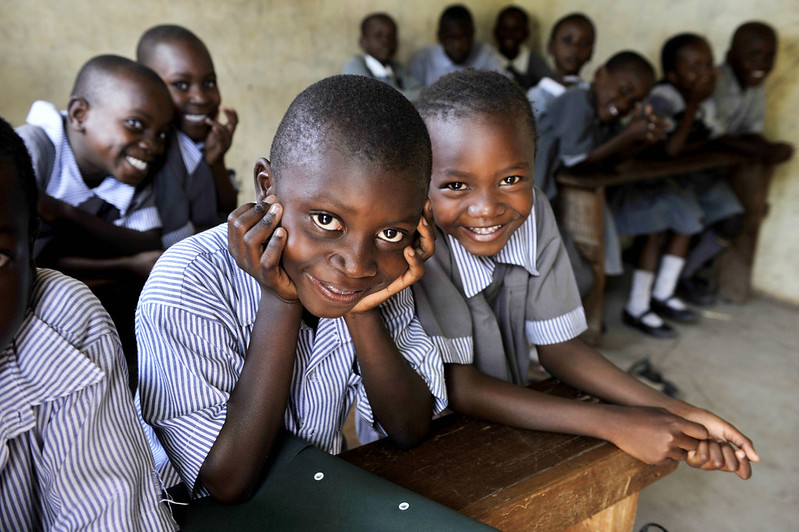
In an interview aired on Ramogi TV on Tuesday, February 3, the Treasury chief acknowledged that government funding for the education sector falls short of covering full tuition costs for students, with the state currently providing only partial subsidies rather than complete fee coverage.
ALSO READ: KUCCPS Releases 27 High-Demand Courses for KCSE Candidates with Grades C, D, and D-
Education Budget Struggles to Meet Current Subsidy Levels
Mbadi highlighted the magnitude of Kenya’s education system, which serves approximately 11 million primary school pupils, 4 million secondary school students, and roughly 650,000 university learners nationwide.
The Cabinet Secretary broke down the government’s current spending commitments, revealing that secondary education alone requires Ksh22,000 per student in subsidies. With 4 million students enrolled, this translates to Ksh88 billion annually.
For primary education, the government provides Ksh3,000 per pupil. When calculated across 11 million learners, this amounts to approximately Ksh33 billion each year.
“When you combine Ksh88 billion with Ksh33 billion, these figures already exceed recommended education budget thresholds,” Mbadi explained, noting that even consolidating various bursary programs would not solve the funding gap.
Cost Analysis: Boarding vs Day Schools
The Treasury Secretary provided further context on secondary school expenses, noting that boarding institutions cost nearly Ksh75,000 per student annually, while day schools require around Ksh35,000 per learner.
Under the current subsidy model, the government covers Ksh22,000 for boarding school students and Ksh12,000 for day scholars, leaving parents responsible for the remaining balance.
Mbadi argued that even converting all secondary schools to day schools and attempting to cover full tuition would strain the education budget beyond sustainability.
“Even if all secondary school students attended day schools and we attempted to fully clear their fees, it would still not be viable within our education budget,” the Cabinet Secretary stated.
Historical Context and Future Implications
Mbadi urged Kenyans to consider the financial realities before demanding universal free education, referencing that even former President Mwai Kibaki’s celebrated free education initiative was limited exclusively to primary schools.
“President Kibaki only introduced free primary education, not for all educational levels. To finance free education throughout Kenya’s system, we would need to reallocate substantial funds from other critical budget areas,” he cautioned.
The Treasury chief’s statement comes as Kenyan families face mounting pressure from rising living costs and increasing school fees, prompting renewed public calls for expanded government support in the education sector.
His remarks underscore the ongoing tension between public expectations for educational access and the government’s fiscal capacity to deliver comprehensive subsidies across all learning levels in Kenya’s education system.
Follow us on X





“We Almost Lost Tuju” — Kalonzo Breaks Silence on Overnight Ordeal at Karen Police Station

VIDEO: Hannah Benta Caught Up in Leaked Video Controversy Involving Baby Daddy Sammir

Explained: Why Your Charger Cable Has That Small Lump — and What It Actually Does

Russian TikToker’s Videos Include Encounter with Older Woman, Raising Further Consent Concerns

East Africa’s Richest Musicians 2025: The Wealth Rankings Revealed

VIDEOS: What Happened In Naivasha During The Weekend Has Boyfriends Crying
-
 Gossip1 week ago
VIDEOS: What Happened In Naivasha During The Weekend Has Boyfriends Crying
-
 Gossip1 day ago
VIDEO: Hannah Benta Caught Up in Leaked Video Controversy Involving Baby Daddy Sammir
-

 Education1 week ago
Israeli Government Announces Fully Funded Postgraduate Scholarships for Kenyans
-
 News1 day ago
Explained: Why Your Charger Cable Has That Small Lump — and What It Actually Does
-

 News1 week ago
VIDEO: Every Goal Scored in the Premier League This Weekend — Matchweek 30
-
 Business1 week ago
EPRA Sets Fuel Prices for March-April 2026 — Here Is What You Will Pay
-
 News1 hour ago
“We Almost Lost Tuju” — Kalonzo Breaks Silence on Overnight Ordeal at Karen Police Station