
News
Heavy Rain and Thunderstorms to Lash Nairobi and Western Kenya This Weekend
Kenyans in Nairobi and across Western Kenya should prepare for a wet and potentially disruptive weekend, after the Kenya Meteorological Department issued a forecast warning of heavy rainfall and thunderstorms beginning Friday night, February 27, through to Monday, March 3, 2026.
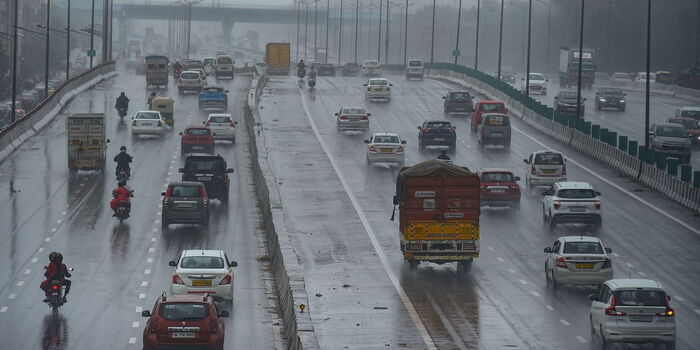
Nairobi is among 12 regions flagged for above-normal rainfall, placing the capital squarely in the path of the season’s most significant weather event so far.
When and Where the Rain Will Hit
The heaviest conditions are expected to build from Friday, February 27, at night, intensifying through Saturday morning, February 28, and continuing into the afternoon across multiple regions.
Areas in the direct path of the worst weather include Western Kenya, the Lake Victoria Basin, the Rift Valley, the Central Highlands, and the South Eastern Lowlands.
Nairobi, which falls under the Highlands East of the Rift Valley zone, is forecast to bear some of the heaviest rainfall of the entire weather system.
“Nairobi is expected to experience moderate to heavy rainfall, with intensity likely to peak on February 28,” the Kenya Meteorological Department stated in its latest forecast bulletin.
More Than 40 Counties on Alert
The Kenya Meteorological Department has placed more than 40 counties on weather alert for this weekend. The full watchlist covers a broad sweep of the country, from the lake region to the highlands and down to the coast.
Counties on alert include Migori, Kakamega, Nakuru, Kisumu, Kericho, Kiambu, Murang’a, Nyeri, Meru, Kajiado, Machakos, Mombasa, Kilifi, and Tana River. Also on the watchlist are Nyamira, Busia, Vihiga, Baringo, Elgeyo Marakwet, Trans Nzoia, Nandi, Uasin Gishu, Siaya, Homa Bay, Kisii, Bomet, Embu, Kirinyaga, Nyandarua, Laikipia, and Tharaka-Nithi.
Parts of Isiolo, Marsabit, and Garissa are also included in the alert, even as the broader North Eastern, North Western, and Coastal regions are largely expected to remain dry. However, light rainfall is still possible in some pockets of North Eastern on Friday night, meaning no county is entirely out of the picture.
Flooding and Road Hazards: The Real Danger
Beyond the inconvenience of wet weather, authorities are warning of serious safety risks tied to this weekend’s forecast. Flooding, impassable roads, and poor visibility are among the primary concerns, particularly for Nairobi commuters navigating the city’s well-documented flood-prone areas.
Low-lying sections of Nairobi — including areas around Ngong Road, Uhuru Highway, Thika Road underpasses, and informal settlements in Mathare, Mukuru, and Kibera — are historically the first to flood during heavy downpours and could become especially dangerous if rainfall peaks as forecast on Saturday.
The Kenya Red Cross, Kenya Urban Roads Authority (KURA), and Kenya Rural Roads Authority (KeRRA) have all issued safety guidelines and warnings about dangerous areas to avoid during the ongoing long rains season.
What You Should Do This Weekend
Residents and motorists across all affected counties are strongly advised to take the following precautions ahead of the heaviest rainfall days.
Avoid crossing flooded roads or rivers, regardless of how shallow they appear. Stay away from riverbanks, drainage channels, and low-lying areas during heavy downpours. Motorists should reduce speed, switch on headlights, and avoid driving through flooded sections of road. Those living in flood-prone areas should have emergency bags ready and know their nearest evacuation points. Parents and guardians should monitor children closely, particularly near drainage channels and open water bodies that swell rapidly during heavy rain.
Most importantly, residents should monitor the Kenya Meteorological Department’s official updates closely at meteo.go.ke and follow guidance from county governments and the Kenya Red Cross as the weather system develops over the coming days.
Stay Informed, Stay Safe
The forecast runs through March 3, meaning the rainfall is not a one-day event. Kenyans should plan their travel, outdoor activities, and weekend plans around the possibility of sustained, heavy downpours across multiple consecutive days.
The Kenya Meteorological Department updates its bulletins regularly and residents are urged to treat this alert seriously, particularly given the country’s recent history of flash flooding and the tragic loss of life that has accompanied previous heavy rain seasons.













Kenyans Can Now Access Specialised Treatment in India, Turkey and Saudi Arabia Under SHA Cover

Desperation in Broad Daylight: Nyamakima Video Exposes the Human Cost of Kenya’s Economic Crisis

Heavy Rain and Thunderstorms to Lash Nairobi and Western Kenya This Weekend

Russian TikToker’s Videos Include Encounter with Older Woman, Raising Further Consent Concerns

East Africa’s Richest Musicians 2025: The Wealth Rankings Revealed

Why Gachagua Was Absent at Raila’s Farewell, According to His Camp
-
 Jobs19 hours ago
Desperation in Broad Daylight: Nyamakima Video Exposes the Human Cost of Kenya’s Economic Crisis
-

 Education3 days ago
IEBC Jobs 2026: How to Apply for 12,520 Temporary Voter Registration Positions
-

 News24 hours ago
The 10 Richest Female Musicians in East Africa and the Empires They’ve Built
-

 Gossip1 week ago
Russian Man’ Unmasked: Govt Officially Names Vladislav Luilkov in Non-Consensual Recording Scandal
-

 Kakamega7 days ago
Fatal Consequences: Man Loses Life After Singing Tutam at Sifuna’s Kakamega Rally
-

 Gossip3 days ago
The 10 Tribes With the Most Beautiful Women in Kenya in 2026, According to Public Opinion
-

 Education3 days ago
KUCCPS TVET Courses 2025: Subject Requirements for Diploma, Certificate and Artisan Programmes
-

 Education2 days ago
KMTC Scholarship Alert: Nine Specialised Courses Now Open for Applications — Here Is How to Qualify