
Business
Electricity Bills Set to Rise as MPs Push New Charges for Rural Electrification Recovery
Nairobi – Kenyan households are bracing for steeper electricity costs following a double blow from Parliament and the energy regulator, with proposals to add new charges and approved tariff increases that could significantly inflate monthly bills.
ALSO READ: Media Personality Obinna Alleges Presidential Intervention Thwarted “Rogue Unit” Plot
Members of Parliament have tabled proposals to introduce additional charges on electricity bills, aimed at enabling Kenya Power to recover Sh29.9 billion invested in rural electrification projects. The move comes as the utility company seeks to recoup costs from expanding the national grid to underserved areas across the country.
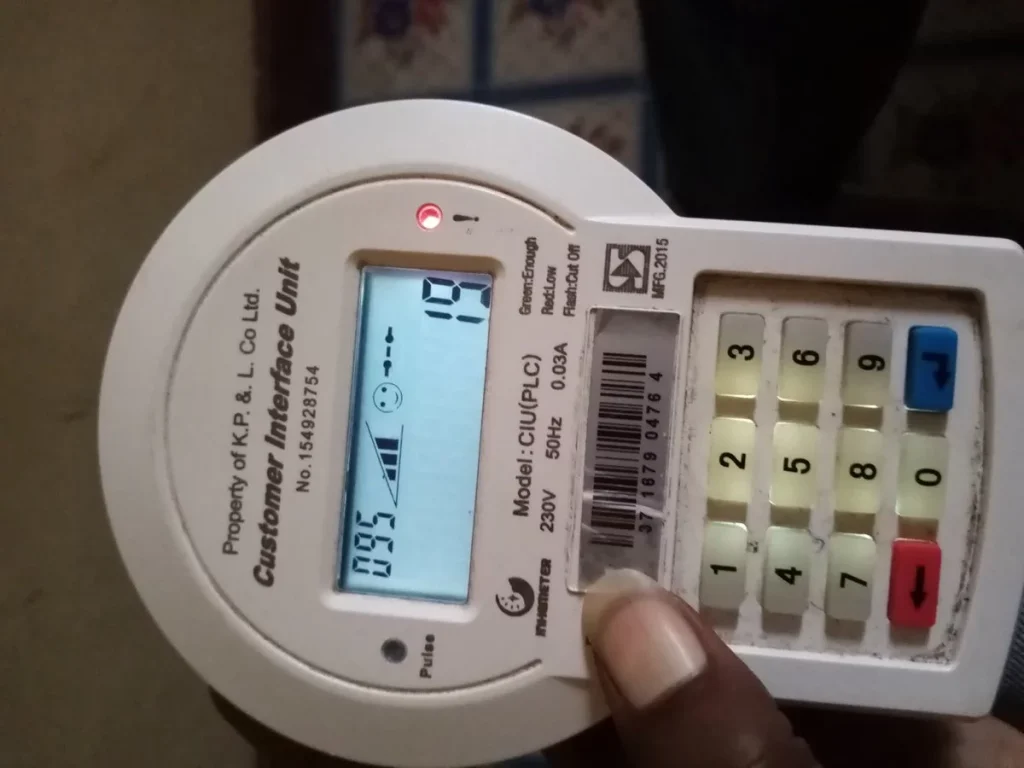
The proposal coincides with the Energy and Petroleum Regulatory Authority’s (EPRA) approval of a Sh4.78 per kilowatt-hour tariff increase, effective this November. EPRA attributed the adjustment to rising fuel costs, foreign exchange fluctuations, and the introduction of a minor water levy.
Impact on Households
For typical households consuming 50 units of electricity monthly, the new tariffs translate to an additional Sh239 before taxes are applied. The increase puts further pressure on consumers already grappling with the rising cost of living.
Kenya’s heavy reliance on imported fuels has left electricity prices vulnerable to global market volatility and currency depreciation. The situation is compounded by hydropower generation challenges, as erratic rainfall patterns continue to affect dam water levels, forcing greater dependence on expensive thermal power.
Public Backlash
The tariff adjustment has sparked widespread frustration on social media platforms, with Kenyans expressing anger over the mounting burden on households and businesses. Many citizens have called for comprehensive energy sector reforms and accelerated adoption of renewable energy sources to reduce dependence on costly imported fuels.
Critics argue that consumers are being made to shoulder the costs of infrastructure expansion and inefficiencies in the power sector, with limited consultation or transparency in how the additional funds will be utilized.
As the proposals move through parliamentary processes, households and businesses across Kenya await clarity on when the additional rural electrification charges will take effect and how they will be structured on monthly bills.
Follow us on X




















VIDEO: Every Goal Scored in the Premier League This Weekend — Matchweek 30

EPRA Sets Fuel Prices for March-April 2026 — Here Is What You Will Pay

Israeli Government Announces Fully Funded Postgraduate Scholarships for Kenyans

Russian TikToker’s Videos Include Encounter with Older Woman, Raising Further Consent Concerns

East Africa’s Richest Musicians 2025: The Wealth Rankings Revealed

Why Gachagua Was Absent at Raila’s Farewell, According to His Camp
-

 Gossip5 days ago
VIDEOS: What Happened In Naivasha During The Weekend Has Boyfriends Crying
-

 Gossip1 week ago
Morara Kebaso’s Secret Mombasa Getaway With Slay Queen Laid Bare in Shocking Audio Leak
-

 Gossip1 week ago
VIDEO: Kenyan Female Chemist Attendant Goes Viral After Video Shows Her Helping Male Customer Put On Protection — Public Reacts
-

 Gossip1 week ago
Watch Video: Vihiga Man Takes Selfie Of Wife and Pastor During Mechi
-

 Gossip1 week ago
The Cheeky Couple Video That Broke Social Media This Week
-

 Mombasa1 week ago
VIDEO: Mackenzie’s Lawyer Challenges Police to Prove Shakahola Victims Are Not in Heaven
-
 Education1 week ago
How to Apply for Kenya Utalii College Through KUCCPS — Diploma and Certificate Applications Now Open
-

 Education1 week ago
KUCCPS 2026: Marketable Degree Programmes With the Lowest Cut-Off Points in Kenyan Universities