
Education
Economic Crisis Leaves 800,000 Kenyan Students Out of School as New Term Begins
A significant education crisis is unfolding across Kenya as approximately 800,000 secondary school students have failed to report for the new academic term, raising alarm among education stakeholders and highlighting the severe economic pressures facing Kenyan families.
ALSO READ: KUCCPS Lists 36 Medical Courses and Campuses for Students With Grades C and D in KCSE
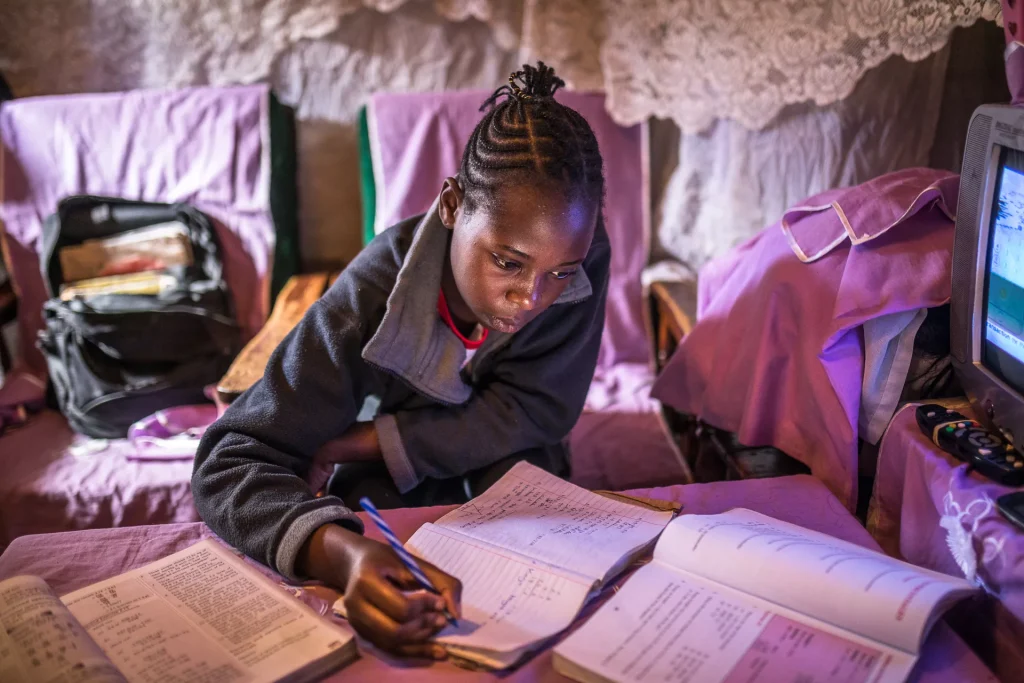
The affected learners represent the inaugural cohort of Grade 10 students under Kenya’s recently implemented Competency-Based Curriculum, a transformative educational framework designed to replace the traditional 8-4-4 system. Their absence marks a troubling setback for the country’s ambitious education reforms.
Financial Barriers Block Access to Education
Education officials and civil society organizations have identified economic hardship as the principal factor preventing students from returning to classrooms. Many families across the country are grappling with the financial demands of secondary education at a time when household incomes have been squeezed by rising living costs and economic uncertainty.
The Ministry of Education has set the annual fee requirement at 53,000 Kenyan shillings per student for senior secondary school. However, this figure has proven prohibitive for a substantial portion of Kenyan households, particularly those in rural areas and urban informal settlements where income instability remains a persistent challenge.
First Test for Competency-Based Curriculum
The crisis carries particular significance as it affects the pioneer group of students progressing through the Competency-Based Curriculum system. This cohort’s educational journey has been closely watched by policymakers and educators as a measure of the new system’s viability and accessibility.
The CBE framework represents a fundamental shift in Kenya’s approach to education, emphasizing practical skills and competencies over rote memorization. However, the current attendance crisis threatens to undermine confidence in the reform process and raises questions about whether adequate measures were taken to ensure financial accessibility alongside curriculum transformation.
Household Economic Strain Intensifies
The situation reflects broader economic difficulties facing Kenyan families. Recent months have seen increased pressure on household budgets due to various factors including inflation, unemployment, and reduced economic opportunities in several sectors. For many parents and guardians, the choice between paying school fees and meeting other essential needs has become increasingly difficult.
Education advocates have expressed concern that prolonged absence from school could have lasting consequences for affected students, potentially leading to increased dropout rates and diminished educational outcomes for an entire generation of learners.
Government Response Under Scrutiny
While the Ministry of Education continues to maintain its fee structure, pressure is mounting for intervention measures to address the crisis. Stakeholders from various sectors have called for emergency support mechanisms to ensure students can access education regardless of their families’ financial circumstances.
The situation has generated extensive public discourse, with many Kenyans taking to social media and public forums to share their struggles with education costs and call for policy adjustments. Parent associations and education rights groups have similarly intensified their advocacy efforts.
Implications for National Development
Education experts warn that such large-scale absence from school could have far-reaching implications for Kenya’s development trajectory. Secondary education serves as a critical foundation for workforce development, higher education access, and social mobility. The potential loss of 800,000 students from the education pipeline could impact the country’s human capital development for years to come.
As the situation continues to evolve, attention now turns to whether authorities will implement measures to facilitate the return of absent students or if alternative funding mechanisms might be introduced to ease the burden on struggling families.
The unfolding crisis underscores the delicate balance between education policy ambitions and economic realities, presenting a significant test for Kenya’s commitment to accessible, quality education for all its children.






VIDEO: Every Goal Scored in the Premier League This Weekend — Matchweek 30

EPRA Sets Fuel Prices for March-April 2026 — Here Is What You Will Pay

Israeli Government Announces Fully Funded Postgraduate Scholarships for Kenyans

Russian TikToker’s Videos Include Encounter with Older Woman, Raising Further Consent Concerns

East Africa’s Richest Musicians 2025: The Wealth Rankings Revealed

Why Gachagua Was Absent at Raila’s Farewell, According to His Camp
-

 Gossip5 days ago
VIDEOS: What Happened In Naivasha During The Weekend Has Boyfriends Crying
-

 Gossip1 week ago
Morara Kebaso’s Secret Mombasa Getaway With Slay Queen Laid Bare in Shocking Audio Leak
-

 Gossip1 week ago
VIDEO: Kenyan Female Chemist Attendant Goes Viral After Video Shows Her Helping Male Customer Put On Protection — Public Reacts
-

 Gossip1 week ago
Watch Video: Vihiga Man Takes Selfie Of Wife and Pastor During Mechi
-

 Gossip1 week ago
The Cheeky Couple Video That Broke Social Media This Week
-

 Mombasa1 week ago
VIDEO: Mackenzie’s Lawyer Challenges Police to Prove Shakahola Victims Are Not in Heaven
-

 Education1 week ago
How to Apply for Kenya Utalii College Through KUCCPS — Diploma and Certificate Applications Now Open
-

 Education1 week ago
KUCCPS 2026: Marketable Degree Programmes With the Lowest Cut-Off Points in Kenyan Universities