
Education
Complete Guide to University Scholarships and Loans in Kenya 2026: KCSE 2025 Students Application Process Through HEF Portal
Students who completed their Kenya Certificate of Secondary Education (KCSE) examinations in 2025 and are preparing to join universities must navigate the Higher Education Financing (HEF) system to secure scholarships and loans for the 2026 academic year, with applications opening through the official government portal following KUCCPS placement.
The Higher Education Financing framework, which replaced the previous Higher Education Loans Board (HELB) system, represents a fundamental shift in how Kenya funds tertiary education, introducing a band-based funding model that assesses individual financial need to determine the level of government support each student receives.
Understanding the 2026 University Admission Landscape
Minimum Entry Requirements for Degree Programs
The Commission for University Education maintains standardized entry requirements across Kenyan institutions:
Basic Qualification: Students must attain a minimum mean grade of C+ (plus) in their KCSE examination to qualify for admission into degree programs at Kenyan universities. This threshold ensures students possess the foundational academic competencies required for university-level study.
Subject-Specific Requirements: While C+ represents the general minimum, individual degree programs impose additional requirements:
- Science and engineering courses typically require B- or above in mathematics and physical sciences
- Medical and health sciences programs demand B+ or higher with strong performance in biology, chemistry, and mathematics
- Arts and humanities programs may accept C+ but require strong performance in languages and social sciences
- Business and economics courses often require at least C+ in mathematics
KUCCPS Placement: Gateway to Government Funding
Mandatory Placement Process: The Kenya Universities and Colleges Central Placement Service (KUCCPS) serves as the sole official channel for government-sponsored student placement. Only students placed through KUCCPS qualify for government scholarships and the new funding model benefits.
How KUCCPS Placement Works: After KCSE results release, typically in late April or early May, qualifying students receive instructions to apply for KUCCPS placement. The process involves:
- Visiting the KUCCPS portal at www.kuccps.net
- Selecting up to four program choices in order of preference
- Indicating university preferences for each program
- Submitting the application within the stipulated deadline (usually 2-3 weeks after results release)
KUCCPS then uses an algorithm considering your KCSE performance, program capacity, institutional distribution, and your preferences to determine placement.
Eligible Institutions for 2026
Public Universities (42 + Open University): Students placed in Kenya’s 42 chartered public universities, plus the Open University of Kenya, automatically qualify for both government scholarships AND HEF loans. These institutions include:
- University of Nairobi
- Kenyatta University
- Moi University
- Egerton University
- Jomo Kenyatta University of Agriculture and Technology (JKUAT)
- Technical University of Kenya
- All other chartered public universities across the country
The Open University of Kenya specifically caters to distance and online learners, providing flexible study options while maintaining eligibility for full government funding.
Private Universities (30+ Institutions): Students admitted to over 30 designated private universities can access HEF loans but DO NOT qualify for the government scholarship component. These private institutions include:
- United States International University (USIU-Africa)
- Strathmore University
- Catholic University of Eastern Africa
- Daystar University
- Kenya Methodist University
- Mount Kenya University
- And other accredited private universities
This distinction is critical: private university students receive loan facilities only, while public university students benefit from both scholarship grants and loan options.
The New Higher Education Financing Model Explained
From HELB to HEF: What Changed?
The Higher Education Financing system introduced in 2023 and continuing through 2026 represents a paradigm shift from the previous one-size-fits-all approach:
Previous HELB System:
- Fixed loan amounts regardless of family financial circumstances
- Limited scholarship allocation
- Minimal consideration of individual need
New HEF Model:
- Personalized funding based on financial need assessment
- Five distinct funding bands determining support levels
- Combination of scholarships (grants) and loans
- Potential for up to 95% of education costs covered for the neediest students
The Five Funding Bands Explained
The Means Testing Instrument (MTI) assesses various socioeconomic factors to place students in one of five bands:
Band 1 (Most Vulnerable):
- Students from extremely low-income households
- Funding: Up to 95% coverage (70% scholarship + 25% loan)
- Typical family income: Below poverty line
Band 2 (Highly Vulnerable):
- Students from very low-income backgrounds
- Funding: Approximately 90% coverage (60% scholarship + 30% loan)
- Family experiences significant financial constraints
Band 3 (Vulnerable):
- Lower-middle-income families
- Funding: Around 80% coverage (50% scholarship + 30% loan)
- Modest family income with limited surplus
Band 4 (Less Vulnerable):
- Middle-income households
- Funding: Approximately 60% coverage (40% scholarship + 20% loan)
- Family can contribute but needs support
Band 5 (Least Vulnerable):
- Higher-income families
- Funding: Minimal support, primarily loans
- Family expected to cover majority of costs
The remaining percentage not covered by scholarships and loans must be paid by the student or their family.
Step-by-Step Application Process for 2026
First-Time Applicants: Complete Requirements Checklist
Before beginning your application, ensure you have ALL the following documents and information ready:
Personal Identification:
- Valid National ID card (if 18 years or older)
- National ID PIN number
- If under 18 years: Birth certificate AND waiting card (issued while awaiting National ID)
Academic Documentation:
- KCSE certificate or official result slip
- University admission letter from your KUCCPS-placed institution
- Any previous academic certificates (for diploma holders joining degree programs)
Digital Requirements:
- Active email address (Gmail, Yahoo, or other reliable provider)
- Mobile phone number registered in YOUR name (not parents’ or guardians’)
- Passport-size photograph in soft copy/digital format (JPEG or PNG, under 2MB)
Family Information:
- Both parents’ National ID numbers
- Parents’ registered telephone numbers
- If either parent is deceased: Death certificate (scanned copy)
- Information about siblings and their education status
Guarantor Details: Two guarantors are required (parents can serve as guarantors):
- Full names of each guarantor
- National ID numbers for both guarantors
- Registered phone numbers for both guarantors
- Physical addresses
Financial Information:
- Valid bank account number in YOUR name (any Kenyan bank), OR
- M-PESA number registered in YOUR name
- This is where loan disbursements will be sent
Detailed Application Walkthrough
Step 1: Create Your HEF Account
Visit the official Higher Education Financing portal at www.hef.co.ke
Click on “New Applicant” or “Register” (terminology may vary)
Provide:
- Your National ID number or birth certificate number
- Valid email address
- Create a strong password (combination of letters, numbers, and symbols)
- Mobile phone number
Verify your email through the confirmation link sent to your inbox. Check spam folders if the email doesn’t arrive within 5 minutes.
Step 2: Complete Your Personal Profile
Log into your newly created account using your ID/birth certificate number and password.
The system will prompt you to complete various sections:
Biographical Information:
- Full names (exactly as on ID/birth certificate)
- Date of birth
- Gender
- County of origin
- Sub-county and ward
- Physical address and postal address
Contact Information:
- Primary phone number
- Alternative phone number (if available)
- Email address confirmation
Academic Background:
- KCSE year and index number
- Mean grade attained
- KUCCPS placement details
- Institution name and code
- Program/course admitted to
- Expected year of completion
Step 3: Fill the Means Testing Instrument (MTI)
This is the MOST CRITICAL section determining your funding band. Be thorough and honest—the information is verified.
The MTI assesses multiple dimensions:
Family Economic Status:
- Parents’/guardians’ occupation and employment status
- Monthly family income ranges
- Number of dependents in the household
- Home ownership status (owned, rented, or provided)
- Type of housing structure (permanent, semi-permanent, temporary)
Asset Ownership:
- Land ownership and acreage
- Vehicle ownership
- Livestock ownership
- Business ownership
- Other significant assets
Education Context:
- Number of siblings in secondary school
- Number of siblings in university or tertiary institutions
- Type of secondary school attended (public day, public boarding, private)
- Fee payment challenges experienced
Vulnerabilities and Special Circumstances:
- Orphan status (single or double orphan)
- Disability status (yours or family members’)
- Chronic illness in family affecting finances
- Any special circumstances affecting family income
Important MTI Tips:
- Answer ALL questions—incomplete MTI submissions delay processing
- Be truthful—false information leads to penalties and funding withdrawal
- Provide supporting documents where requested
- Estimates are acceptable where exact figures are unknown, but should be reasonable
Step 4: Upload Required Documents
Navigate to the documents section and upload clear, legible scans or photos:
Essential Documents:
- National ID (front and back) or birth certificate
- KCSE certificate or result slip
- University admission letter
- Passport photo
- Parents’/guardians’ National IDs (front and back)
- Death certificates (if applicable)
Technical Requirements:
- File formats: PDF, JPEG, or PNG
- Maximum file size: Usually 2MB per document
- Resolution: Clear enough to read all text
- Orientation: Ensure documents are right-side up
Step 5: Provide Guarantor Information
Enter complete details for two guarantors:
- Full legal names
- National ID numbers
- Phone numbers (must be reachable for verification)
- Relationship to you
- Physical addresses
Guarantors serve as contacts and may be required to confirm your loan agreement. Choose reliable individuals who will remain reachable throughout your study period.
Step 6: Banking Details
Enter your financial disbursement information:
- Bank name
- Branch name
- Account number, OR
- M-PESA registered number
Double-check these details—errors cause disbursement delays.
Step 7: Review and Submit
Before final submission:
- Review every section for accuracy
- Confirm all documents uploaded successfully
- Verify contact information
- Check that MTI is complete
Click “Submit Application”
You will receive a confirmation message on screen and via SMS/email containing your application reference number. SAVE THIS NUMBER—you’ll need it for tracking.
Application Timeline for 2026 Academic Year
When to Apply
KUCCPS Placement: April-May 2025
- KCSE results typically release in late April
- KUCCPS application window opens immediately after
- Placement letters issued by late May or early June
HEF Application Period: June-August 2025
- Portal typically opens in early June following KUCCPS placement
- Primary deadline: Usually end of August (exact date announced annually)
- Late applications may be accepted with valid reasons but risk delayed processing
Processing Period: September-November 2025
- HEF reviews applications and verifies information
- Band determination and funding allocation
- Disbursement preparation
Disbursement: November 2025 onwards
- First disbursements typically before semester begins
- Subsequent disbursements per semester throughout degree program
Critical Dates to Monitor
Students should regularly check:
- Official HEF website (www.hef.co.ke) for announcements
- HEF social media platforms
- University notice boards
- Personal email and SMS for communications
Tracking Your Application Status
After submission, you can monitor progress:
Online Tracking:
- Log into your HEF account at www.hef.co.ke
- Navigate to “Application Status” or “Track Application”
- View current status (Submitted, Under Review, Approved, Disbursed, etc.)
Status Meanings:
- Submitted: Application received, awaiting processing
- Under Review: Staff examining your MTI and documents
- Pending Verification: Cross-checking information with other agencies
- Approved: Funding allocated, awaiting disbursement
- Disbursed: Funds sent to your account/university
- Rejected/Incomplete: Issues requiring correction—check messages for details
Communication Channels: HEF communicates primarily through:
- Email to the address provided during registration
- SMS to your registered phone number
- Notifications within your portal account
Check these channels daily during peak processing periods.
Common Application Mistakes to Avoid
1. Incomplete MTI: Many applications face delays because students skip MTI questions. Every field matters for accurate band placement.
2. Mismatched Information: Ensure your name, ID number, and KCSE details match EXACTLY across all documents. Discrepancies trigger verification delays.
3. Poor Quality Document Uploads: Blurry or rotated documents cannot be processed. Use good lighting, hold the camera steady, and verify clarity before uploading.
4. Using Others’ Phone Numbers: Your registered phone number MUST be in your name. Loans cannot be disbursed to accounts/numbers registered to other people.
5. Missing Application Deadlines: Late applications receive lower priority and may miss first-semester disbursement, creating financial strain.
6. Dishonest MTI Responses: Exaggerating poverty or hiding assets may initially seem advantageous but leads to severe consequences when discovered during verification, including loan cancellation and potential legal action.
7. Ignoring Portal Communications: HEF may request additional information or documents. Failure to respond promptly causes application suspension.
Special Circumstances and Considerations
Students Under 18 Years
If you turned 18 after KCSE but before university entry and haven’t received your National ID:
- Apply using your birth certificate number
- Upload your birth certificate and waiting card
- Update your ID details once received
- Loan disbursement may be delayed until ID is obtained
Persons with Disabilities (PWDs)
Students with disabilities should:
- Indicate disability status in the MTI
- Upload disability certificate from National Council for Persons with Disabilities
- This may positively influence band placement due to additional costs associated with disability
Orphans and Vulnerable Children
If you’ve lost one or both parents:
- Upload death certificate(s) in the parent information section
- Provide guardian information where parent details are requested
- Indicate orphan status in MTI—this significantly affects band placement
Students from Marginalized Communities
Those from marginalized areas or communities should:
- Accurately indicate county and constituency
- Marginalization indices are factored into band determination
- Documentation proving residence may be requested
Gap Year Students
If you completed KCSE before 2025 but are just joining university:
- You remain eligible to apply
- Indicate your actual KCSE year
- Provide explanation for the delay if requested
- Previous applications don’t disqualify new ones
Understanding Loan vs. Scholarship Components
Scholarship (Grant) Component
- Nature: Free money that does NOT need to be repaid
- Determination: Based on your funding band
- Disbursement: Paid directly to your university to offset tuition
- Conditions: Must maintain satisfactory academic progress
- No obligation: Even if you drop out, scholarships aren’t recovered
Loan Component
- Nature: Borrowed funds that MUST be repaid after graduation
- Repayment: Begins one year after completing or discontinuing studies
- Interest Rate: Government-subsidized, typically lower than commercial loans (check current rates on HEF website)
- Repayment Period: Extended over several years based on loan amount
- Collection: Deducted from salary if employed, or through agreed payment plans if self-employed
- Default Consequences: Credit bureau listing, travel restrictions, difficulty accessing future credit
How Funding is Distributed
For example, a student in Band 1 receiving 95% funding for a program costing Ksh 200,000 annually:
- Total funding: Ksh 190,000 (95% of 200,000)
- Scholarship (70%): Ksh 140,000—paid directly to university, never repaid
- Loan (25%): Ksh 50,000—disbursed to student account, must be repaid with interest
- Family contribution (5%): Ksh 10,000—student/family must pay directly to university
The scholarship portion covers bulk of tuition, while the loan assists with books, accommodation, and upkeep.
After Approval: What Happens Next
Disbursement Process
First Disbursement:
- Typically occurs before first semester begins
- Scholarship portion sent directly to university accounts
- Loan portion sent to student’s bank account or M-PESA
- You receive SMS/email notification when funds are released
Subsequent Disbursements:
- Generally made per semester (twice annually for most programs)
- Conditional on satisfactory academic progress
- Must confirm continued enrollment each semester
- Maintain minimum GPA requirements (usually at least 50% pass rate)
Your Responsibilities as a Beneficiary
Academic Performance:
- Maintain satisfactory progress toward your degree
- Failing multiple courses may trigger funding suspension
- Must complete degree within stipulated timeframe (usually degree duration + 1 year maximum)
Regular Updates:
- Confirm enrollment each semester through the HEF portal
- Update contact information if phone number or email changes
- Report any changes in circumstances (transfer, discontinuation, etc.)
Compliance:
- Cooperate with verification exercises if selected
- Provide additional documentation when requested
- Respond to HEF communications promptly
Loan Acknowledgment:
- Sign loan agreement documents when provided
- Understand repayment terms and obligations
- Keep records of all loan correspondence
Repayment: Planning for the Future
When Repayment Begins
- Grace period: One year after completion or discontinuation of studies
- Example: Graduate in November 2029, repayment starts December 2030
- HEF will contact you before repayment begins with detailed schedule
Repayment Methods
Employed Graduates:
- Automatic salary deductions through employer payroll
- Percentage-based (usually small portion of gross salary)
- Employer remits directly to HEF
Self-Employed/Unemployed Graduates:
- Direct payments through M-PESA, bank transfers, or HEF agents
- Flexible payment plans can be negotiated based on income
- Must maintain communication with HEF to avoid default
Consequences of Default
Failing to repay your loan results in:
- Negative credit bureau listing, affecting future loan eligibility
- Possible legal action for recovery
- Difficulty obtaining employment in certain sectors
- Potential travel restrictions for significant defaults
How to Avoid Default:
- Communicate with HEF if facing financial difficulties
- Request payment plan adjustments during hardship
- Make partial payments rather than no payments
- Update HEF with current contact information and employment status
Frequently Asked Questions
Q: Can I apply if I was placed in a private university? A: Yes, but you only qualify for loans, not the scholarship component. The application process is identical.
Q: What if my parents don’t have National IDs? A: Very rare, but if genuinely absent, provide available alternative identification and explain in a supporting document. Contact HEF helpline for guidance.
Q: Can I change my banking details after submission? A: Yes, log into your portal and update in the relevant section, but do this well before disbursement to avoid delays.
Q: I made errors in my MTI. Can I correct them? A: Before submission, edit freely. After submission, contact HEF immediately through the helpline to request correction—may require supporting documents.
Q: How long does application processing take? A: Typically 2-4 months from submission to disbursement, but varies based on application volume and verification requirements.
Q: Can I apply if I deferred my university admission? A: Yes, apply during the year you’re actually joining, not when you were initially placed.
Q: What if I don’t have a bank account? A: M-PESA is accepted as an alternative. Ensure it’s registered in your name with your ID number.
Q: Is there an application fee? A: No. The process is completely free. Anyone requesting payment is fraudulent.
Q: Can I appeal my funding band? A: Yes, HEF has an appeals process if you believe your band doesn’t reflect your circumstances. Details are provided in your allocation letter.
Q: What happens if I change my course or university? A: Notify HEF immediately through the portal. Transfers may affect funding, especially if moving from public to private institution or vice versa.
Getting Help: Contact and Support
Official HEF Contact Channels
Website: www.hef.co.ke
- Primary information source
- Application portal access
- FAQs and guides
Physical Offices: Higher Education Financing Office Anniversary Towers, University Way Nairobi, Kenya
Phone Contacts:
- Helpline: 0800 720 720 (toll-free)
- Alternative: 020-2212690
- Available: Monday-Friday, 8:00 AM – 5:00 PM
Email: info@hef.co.ke
- For detailed inquiries
- Document submissions (if portal issues)
- Formal communications
Social Media:
- Twitter/X: @HEF_Kenya
- Facebook: Higher Education Financing Kenya
- Updates, announcements, and quick responses to queries
Tips for Effective Communication
When contacting HEF:
- Have your application reference number ready
- Be specific about your issue
- Provide your ID number for verification
- Screenshot any error messages if experiencing technical issues
- Be patient—high volumes especially during application periods
Technical Troubleshooting
Common Portal Issues and Solutions
Cannot Log In:
- Verify you’re using correct ID/birth certificate number and password
- Try password reset function
- Clear browser cache and cookies
- Try different browser (Chrome, Firefox, Safari)
- Ensure stable internet connection
Documents Won’t Upload:
- Check file size (usually max 2MB)
- Verify file format (PDF, JPEG, PNG accepted)
- Compress large files using free online tools
- Try uploading from computer rather than phone, or vice versa
- Ensure document is not password-protected
MTI Won’t Submit:
- Scroll through entire MTI to identify unanswered mandatory questions
- Red asterisks (*) indicate required fields
- Some questions only appear based on previous answers—answer sequentially
Application Status Not Updating:
- Processing takes time—check after 48 hours
- Major updates (approval, disbursement) may take weeks
- If concerned, contact helpline with reference number
Maximizing Your Funding: Strategic Tips
Accurate MTI Completion
The MTI determines everything. To ensure accurate assessment:
Be Thorough:
- Don’t skip “optional” sections—they provide context
- Provide estimates if exact figures unknown
- Explain unusual circumstances in comment boxes
Be Honest:
- HEF cross-references with KRA, NHIF, and other databases
- Inconsistencies trigger investigations
- Truthful applications process faster
Provide Context:
- If your family owns assets but faces hardship, explain (e.g., inherited land that generates no income)
- Mention siblings’ education costs—this significantly impacts assessment
- Note any special circumstances: parent illness, family business struggles, etc.
Document Everything:
- Keep copies of all uploaded documents
- Save screenshots of your submitted application
- Maintain records of communication with HEF
Early Application Advantages
Applying early in the window (June rather than August) offers benefits:
- Faster processing and earlier disbursement
- Time to correct errors if application rejected
- Less server congestion on portal
- Earlier access to funds when joining university
Staying Informed
Monitor Multiple Channels:
- Check HEF website weekly for updates
- Follow social media for real-time announcements
- Join online forums or WhatsApp groups of fellow applicants (verify information accuracy)
- Stay in touch with university financial aid office
University Support Services: Most universities have financial aid offices that:
- Assist with HEF applications
- Answer institution-specific questions
- Help resolve disbursement issues
- Provide emergency funding while awaiting HEF
Beyond HEF: Additional Financial Support
While HEF provides primary government funding, explore supplementary options:
County Bursaries
Most county governments offer bursaries to residents:
- Separate application, usually through county website or offices
- Requires proof of county residence
- Amounts vary (typically Ksh 10,000-50,000 annually)
- Apply alongside HEF—funds are cumulative
Constituency Development Fund (CDF) Bursaries
MPs allocate CDF funds for education:
- Apply through your constituency CDF office
- Requires application letter and supporting documents
- Amounts vary by constituency
- Awards are competitive based on need
Private Scholarships
Numerous organizations offer scholarships:
- Corporate foundations (Safaricom, Equity, KCB, etc.)
- International organizations
- Religious organizations
- Professional associations related to your field
Search resources:
- Universities’ scholarship offices maintain databases
- Websites like www.opportunitiesforafricans.com
- Specific company/organization websites
Emergency University Funds
If facing financial crisis mid-semester:
- University emergency funds or hardship loans
- Student welfare offices
- Academic departments sometimes have discretionary funds
- Dean of Students office
Planning for Success: Financial Literacy for Students
Budgeting Your Loan
The loan component is for educational expenses:
Priority Expenses:
- Tuition balance (after scholarship)
- Required textbooks and learning materials
- Accommodation (if not provided)
- Food and basic necessities
- Transport to and from university
Avoid Misusing Funds For:
- Non-essential electronics
- Entertainment and social activities
- Supporting extended family (you’ll struggle later)
- High-interest loans to others
- Luxuries beyond basic student needs
Create a Semester Budget:
- List all anticipated expenses
- Allocate loan disbursement accordingly
- Keep emergency reserve (10-15% of funds)
- Track spending to avoid running out before semester ends
Building Credit Responsibly
Your HEF loan is often your first credit facility:
- Repaying properly builds positive credit history
- Future mortgage, car, or business loan applications benefit
- Default creates lasting negative record
- Treat this loan as seriously as you would any other debt
Preparing for Repayment
Even before graduating:
- Understand your total loan amount (check portal regularly)
- Calculate approximate monthly repayments
- Research typical salaries in your field
- Plan career choices with repayment obligation in mind
- Consider additional income streams (side businesses, freelancing)
Success Stories: How HEF Changes Lives
The new funding model has transformed access to higher education:
Increased Enrollment: Students from families earning less than Ksh 10,000 monthly now access universities previously impossible due to cost.
Reduced Drop-Out Rates: Regular semester disbursements prevent the mid-year withdrawals common under previous systems where students couldn’t afford continuation.
Merit-Based Access: Bright students from poor backgrounds no longer miss opportunities due to finances—academic performance, not family wealth, determines university access.
Reduced Family Burden: The high scholarship component (up to 70% for neediest students) prevents families from selling assets or taking high-interest loans to fund education.
Looking Ahead: Your University Journey
Securing HEF funding is just the beginning. University success requires:
Academic Commitment:
- Regular class attendance
- Timely assignment submission
- Utilizing campus resources (libraries, tutoring, career services)
- Maintaining GPA requirements for continued funding
Financial Responsibility:
- Living within your means
- Avoiding unnecessary debt
- Planning for repayment from day one
- Seeking part-time work or internships when possible
Career Preparation:
- Internships and attachments during holidays
- Networking with professionals in your field
- Developing skills beyond classroom learning
- Planning for employment or entrepreneurship post-graduation
Giving Back:
- Once established in your career, consider mentoring future students
- Repay your loan responsibly—your payments fund the next generation
- Share your success story to inspire others from similar backgrounds
Final Checklist Before Submitting
Before clicking that final “Submit” button, verify:
☑ Personal details match ID/birth certificate exactly ☑ KCSE information is accurate (year, index, grade) ☑ University and program details match admission letter precisely ☑ Parents’/guardians’ information is complete and correct ☑ All MTI sections completed thoroughly and honestly ☑ All required documents uploaded in correct formats ☑ Guarantor information is complete with reachable contacts ☑ Banking details are accurate and account/M-PESA is in your name ☑ Email address is active and checked regularly ☑ Phone number is registered in your name and functional ☑ Passport photo is professional and recent ☑ You’ve saved copies of everything for your records
Take Action Now
The 2026 academic year represents opportunities for thousands of Kenyan youth. Don’t let financial constraints limit your potential.
Immediate Steps:
- Ensure you have all required documents
- Gather family information needed for MTI
- Open a bank account or ensure M-PESA is registered correctly
- Visit www.hef.co.ke and familiarize yourself with the portal
- Start your application as soon as the window opens
- Complete thoroughly and submit before the deadline
- Check your application status regularly
Remember: This funding could be the difference between achieving your dreams and missing out on university education entirely. Thousands of students successfully navigate this process annually—you can too.
Your future begins with this application. Make it count.
Quick Reference Summary:
Application Portal: www.hef.co.ke Helpline: 0800 720 720 (toll-free) Email: info@hef.co.ke Minimum KCSE Grade: C+ for degree programs Funding Bands: 5 bands, up to 95% coverage for neediest Application Cost: FREE—no payment required Eligibility: KUCCPS-placed students in recognized institutions Required Age: 18+ (or birth certificate for under-18) Application Period: Typically June-August 2025 Key Documents: ID, KCSE certificate, admission letter, parents’ IDs
Related Searches: HEF portal Kenya 2026, university loans Kenya application, HELB replacement 2026, how to apply for university funding Kenya, KUCCPS placement 2026, university scholarships Kenya, higher education financing bands, KCSE 2025 university admission, Kenya student loans application, government university funding 2026




VIDEO: Hannah Benta Caught Up in Leaked Video Controversy Involving Baby Daddy Sammir

Explained: Why Your Charger Cable Has That Small Lump — and What It Actually Does

VIDEO: Every Goal Scored in the Premier League This Weekend — Matchweek 30

Russian TikToker’s Videos Include Encounter with Older Woman, Raising Further Consent Concerns

East Africa’s Richest Musicians 2025: The Wealth Rankings Revealed

Why Gachagua Was Absent at Raila’s Farewell, According to His Camp
-

 Gossip1 week ago
VIDEOS: What Happened In Naivasha During The Weekend Has Boyfriends Crying
-
 Gossip12 hours ago
VIDEO: Hannah Benta Caught Up in Leaked Video Controversy Involving Baby Daddy Sammir
-

 Gossip1 week ago
The Cheeky Couple Video That Broke Social Media This Week
-

 Mombasa1 week ago
VIDEO: Mackenzie’s Lawyer Challenges Police to Prove Shakahola Victims Are Not in Heaven
-

 Education1 week ago
Israeli Government Announces Fully Funded Postgraduate Scholarships for Kenyans
-

 Education1 week ago
How to Apply for Kenya Utalii College Through KUCCPS — Diploma and Certificate Applications Now Open
-
 News15 hours ago
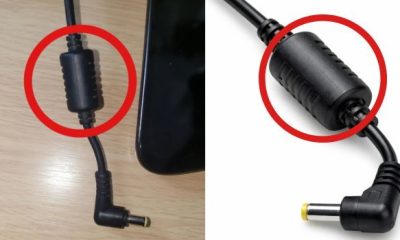
Explained: Why Your Charger Cable Has That Small Lump — and What It Actually Does
-
 News1 week ago
VIDEO: Every Goal Scored in the Premier League This Weekend — Matchweek 30