
Education
Career Pathways for KCSE D+ Graduates: Comprehensive Guide to Marketable Technical and Vocational Courses in Kenya
Students who attained a D+ grade in the Kenya Certificate of Secondary Education examinations have access to numerous certificate and diploma programs through Technical and Vocational Education and Training institutions nationwide, offering pathways to sustainable careers in growing economic sectors.
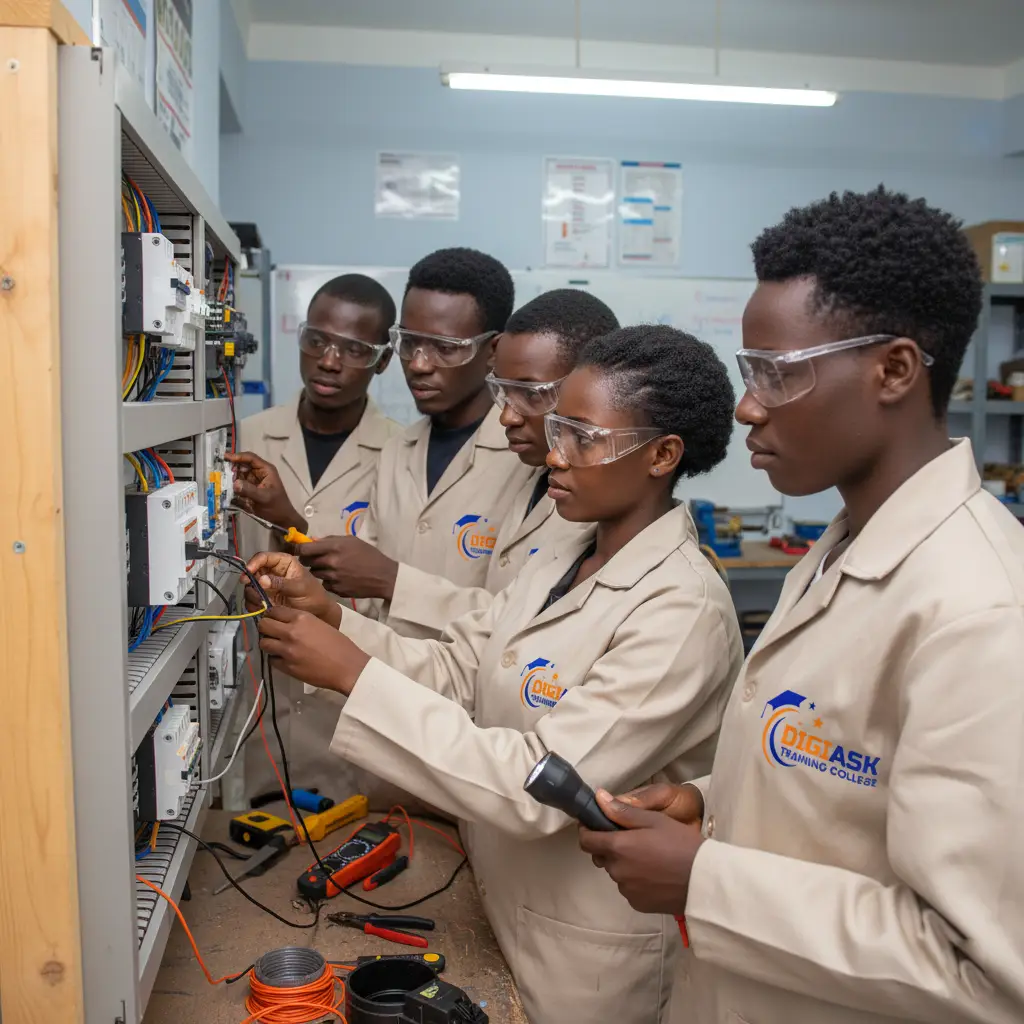
Education experts emphasize that academic performance in KCSE does not determine career success, particularly given Kenya’s expanding TVET system designed to provide practical, skills-based training aligned with labor market demands. TVET institutions accept students with D+ as long as they meet the program requirements, providing practical training that prepares learners for employment or entrepreneurship.
Understanding TVET Opportunities for D+ Graduates
Students with a KCSE score of D+ can apply for craft certificate courses at TVET colleges, opening doors to specialized training in fields ranging from information technology to healthcare, engineering, hospitality, and creative industries. These programs typically run between six months and two years, equipping graduates with immediately applicable workplace competencies.
Most certificate courses take six to twelve months, and after completing a certificate, students can progress to a diploma, higher diploma, and even a degree if they choose. This progressive pathway allows D+ graduates to continuously upgrade their qualifications throughout their careers.
Technology and Engineering Programs
Information Technology
Information technology certificate programs represent some of the most marketable options for D+ graduates. These courses cover computer applications, networking fundamentals, basic programming concepts, and software development principles. DigiAsk Institute of Technology in Nairobi, located at Kenya House Complex on Koinange Street, offers comprehensive IT training programs specifically designed for students with varied academic backgrounds.
ICT skills are crucial in the digital age, with courses offering training in computer hardware, software, networking, and cybersecurity—preparing students for roles in IT support, web development, and more. The institution provides flexible learning options including both online and on-campus instruction, with course durations ranging from three to six months and affordable fee structures.
Web design and development programs have gained particular prominence. DigiAsk Training College offers a three-month web design course at KES 25,000, covering HTML, CSS, JavaScript, and graphic design tools. Graduates from such programs find employment in digital marketing agencies, media houses, and corporate IT departments, or establish independent freelance practices.
Cybersecurity training has emerged as a critical specialization. DigiAsk College offers cybersecurity courses with affordable fees and short durations from three months to six months, preparing learners not just for exams, but for real-world cybersecurity challenges. The curriculum includes hands-on training with industry-standard tools and preparation for professional certifications.
Electrical and Electronics Engineering
Electrical and electronics engineering remains one of the most marketable TVET programs, equipping students with skills in electrical installations, maintenance, and troubleshooting, with graduates finding opportunities in power generation, manufacturing, and the growing renewable energy sector.
National Polytechnics across Kenya offer electrical engineering certificate programs. The Kisumu National Polytechnic, Meru National Polytechnic, Eldoret National Polytechnic, and Kenya Coast National Polytechnic all provide electrical engineering training with practical workshop facilities and industrial attachment opportunities.
The construction and energy sectors demonstrate robust demand for qualified electricians. High demand exists for skilled electricians in construction and energy projects, with growing focus on renewable energy solutions across Kenya.
Mechanical Engineering and Automotive Technology
Mechanical engineering certificate programs prepare students for careers in manufacturing, maintenance, and repair services across industrial sectors. Automotive engineering courses focus specifically on vehicle diagnostics, repair procedures, and maintenance protocols.
The Kabete National Polytechnic in Nairobi, Nyeri National Polytechnic, and Sigalagala National Polytechnic in Kakamega offer mechanical and automotive engineering programs with well-equipped workshops enabling hands-on skill development.
Plumbing and Construction Trades
Plumbers ensure that modern buildings have safe and functional water and drainage systems, with courses teaching water systems installation, maintenance, and repairs—skills needed in both urban and rural communities. Kenya’s ongoing infrastructure development creates exceptional demand for qualified plumbers.
Kenya’s infrastructure development is in full swing, with skilled builders in high demand through courses covering masonry, carpentry, plumbing, and modern building techniques. These programs provide direct entry into construction employment or foundation for independent building services businesses.
Welding and fabrication training remains essential for manufacturing and metalwork industries. National Polytechnics and vocational training centers nationwide offer welding certificate programs with typical durations of six to twelve months.
Business and Management Courses
Business Administration
Certificate programs in business management provide foundational knowledge in accounting principles, marketing strategies, entrepreneurship development, and human resource administration. These courses prepare graduates for administrative positions, small enterprise operations, or entrepreneurial ventures.
Certificate in Business Management teaches business fundamentals applicable in small business or admin roles. Institutions offering these programs include ICS College, with branches in Nairobi, Mombasa, Kisumu, Nakuru, Eldoret, and Thika.
Sales, Marketing, and Supply Chain
Sales and marketing certificate programs focus on developing skills for driving business revenue through effective customer engagement and market analysis. Supply chain management courses address logistics coordination, inventory control, and procurement procedures—competencies valued across commercial sectors.
Certificate programs in purchasing and supplies management train students in essential skills for logistics and inventory control operations. The Kenya Institute of Supplies Management accredits many of these programs, ensuring graduates meet industry standards.
Records and Information Management
Certificate in Records and Information Management develops data organization and information handling skills relevant across sectors. This specialized training prepares graduates for employment in government offices, corporate organizations, healthcare facilities, and educational institutions managing documentation systems.
Health and Community Services
Kenya Medical Training College Programs
The Kenya Medical Training College system offers limited but valuable opportunities for D+ graduates. There are only two D+ courses in KMTC offered on various campuses: Certificate in Nutrition and Dietetics and Certificate in Health Records and Information Technology.
The Certificate in Nutrition and Dietetics prepares students for careers in community health nutrition programs, hospital dietary services, and public health initiatives. KMTC campuses offering this program include locations in Nairobi, Mombasa, Nakuru, Eldoret, and other major urban centers.
Health Records and Information Technology certificates train students in medical documentation management, health information systems, and patient data organization. This course is in demand in hospitals and clinics managing increasingly digitized health information systems.
Community Health and Development
Community health assistant programs focus on grassroots health promotion, disease prevention education, and community outreach activities. These certificates prepare graduates for employment with non-governmental organizations, county health departments, and community-based health initiatives.
Medical laboratory technology, pharmacy technician training, and counseling psychology programs typically require higher KCSE grades but may accept D+ graduates who complete bridging courses or demonstrate relevant experience.
Hospitality, Tourism, and Culinary Arts
Hospitality Management
Kenya’s tourism industry is growing, with hospitality courses equipping students with service, housekeeping, customer care, and event management skills, ideal for careers in hotels, lodges, or travel operations.
Kenya Utalii College, the premier hospitality training institution, and various National Polytechnics offer certificate programs in hospitality and tourism management. These courses cover front office operations, food and beverage service, housekeeping management, and tourism guiding.
The Rift Valley Institute of Science and Technology in Nakuru and other regional polytechnics provide hospitality training with industrial attachment placements in hotels, resorts, and tourism facilities.
Culinary Training
Food and beverage production certificate programs teach culinary techniques, menu planning, food safety protocols, and kitchen management. Specialized training in pastry and bakery arts prepares graduates for employment in hotels, restaurants, catering companies, or independent bakery operations.
Kenya’s booming tourism and culinary industry offers self-employment potential for entrepreneurs in catering and events, making culinary training particularly attractive for business-minded graduates.
Beauty, Fashion, and Creative Industries
Hairdressing and Beauty Therapy
Hairdressing and beauty therapy represents a vibrant course blending creativity and skill, opening doors to careers in salons, spas, and the beauty industry at large, popular among those wanting self-employment. The growing urban population creates rising demand for beauty services, offering flexibility and independence for entrepreneurs.
Certificate programs typically cover hairdressing techniques, makeup artistry, nail technology, skincare treatments, and salon management. Institutions offering these programs include specialized beauty colleges in Nairobi, Mombasa, Kisumu, and other urban centers.
Fashion and Garment Making
Fashion design courses nurture talent in garment construction, pattern making, and textile design, with graduates working in the fashion industry or launching their own clothing lines. Rising demand for unique, locally-made African fashion creates opportunities for self-employment and small businesses.
Tailoring and garment making certificate programs teach clothing construction, pattern development, textile selection, and fashion business management. The Kenya Industrial Training Institute branches and various vocational training centers offer these programs.
Photography and Creative Media
Photography certificate programs cover camera operation, lighting techniques, image composition, and photo editing software. Graduates find employment in media houses, advertising agencies, event photography, or establish independent photography businesses.
DigiAsk Training College offers photography courses alongside graphic design and digital media production, providing integrated creative industry training.
Agricultural and Environmental Programs
Agriculture remains the backbone of Kenya’s economy, with courses preparing students to tap into modern farming techniques, agribusiness, and value addition. Agricultural training is practical and marketable in Kenya’s dominant agricultural economy and is offered in institutions like Pwani University.
Certificate programs in agriculture cover crop production, animal husbandry, irrigation techniques, pest management, and agricultural business management. The Animal Health and Industry Training Institute offers specialized courses in animal health and dairy technology.
Choosing the Right Institution and Course
National Polytechnics
Currently, there are 30 national polytechnics in Kenya and the government plans to have one in each county. Major institutions include:
Nairobi Region: Kabete National Polytechnic, Kiambu National Polytechnic
Central Region: Nyeri National Polytechnic, Muranga National Polytechnic
Western Region: Eldoret National Polytechnic, Kitale National Polytechnic, Kisumu National Polytechnic, Sigalagala National Polytechnic (Kakamega)
Rift Valley: Nyandarua National Polytechnic
Coast Region: Kenya Coast National Polytechnic (Mombasa), Lamu National Polytechnic
Eastern Region: Meru National Polytechnic, Embu National Polytechnic
Nyanza Region: Kisii National Polytechnic
The government is dedicated to ensuring there is at least one national polytechnic in every county and a TVET institution in every constituency improving access to technical training nationwide.
Private TVET Institutions
Private colleges offer flexible scheduling, specialized programs, and often smaller class sizes. Notable institutions include:
ICS College (East Africa Institute of Certified Studies): Operates branches in Nairobi (Stanbank House, Moi Avenue), Mombasa, Kisumu, Nakuru, Eldoret, and Thika, offering engineering, building technology, business, and IT courses.
DigiAsk Institute of Technology: Located at Kenya House Complex, 5th Floor, Suite K23, Koinange Street, Nairobi. Specializes in IT, digital marketing, web design, graphic design, cybersecurity, and photography. Contact: +254 716745127 or +254 738605123.
Rift Valley Institute of Science and Technology: Public institution in Nakuru offering over 60 programs across multiple disciplines with courses ranging from one month to three years.
Kenya School of TVET (KSTVET): Located on UN Avenue, Gigiri, Nairobi, focusing on training technical teachers but also offering various TVET programs.
University TVET Directorates
Several universities operate TVET centers offering certificate and diploma programs:
Kenyatta University: Offers certificate courses accepting D+ students, including programs in Sports Administration and Management, Music, Film and Theatre Arts, and various technical subjects.
Technical University of Kenya: The TUK Directorate of TVET College offers diploma and certificate courses in engineering, IT, and business.
Pwani University: Provides TVET programs particularly strong in agriculture and coastal resource management.
Financial Support and Admission Process
In Kenya, TVET students can access funding through HELB loans and government sponsorships, with students applying for courses in public TVET colleges qualifying for government sponsorship based on their financial status. This ensures students from lower-income backgrounds receive support.
HELB loans are available to students in both public and private TVET colleges, helping cover tuition fees and reducing financial strain. Additional funding sources include constituency bursaries, county government scholarships, and institutional financial aid programs.
National Polytechnics usually have their intakes in January, March, and September, with applications processed through the KUCCPS portal at least twice yearly. Private institutions often offer more flexible enrollment dates with rolling admissions throughout the year.
Career Advancement Pathways
Students with a KCSE D+ can still build strong academic and career prospects by following a structured progression route, beginning by enrolling in a certificate course that accepts D+, usually offered at TVET institutions or accredited colleges.
The typical progression follows this pathway:
- Certificate Level (6-12 months): Entry with D+ grade, focusing on foundational practical skills
- Diploma Level (2-3 years): Entry with certificate qualification, providing deeper technical and theoretical training
- Higher Diploma (1-2 years): Advanced specialization with diploma qualification
- Degree Programs: Some institutions offer bridging pathways allowing TVET graduates to pursue related degree qualifications
This gradual upgrade allows students to grow their qualifications while gaining work experience and earning income between educational stages.
Making an Informed Choice
When selecting a course and institution, students should consider:
Personal Interests and Aptitudes: Choose programs aligned with natural talents and genuine interests to maximize engagement and success.
Market Demand: Technical courses offer hands-on skills that employers value, with high demand because industries depend on skilled technicians, opening quick employment and self-employment opportunities.
Location and Accessibility: Consider proximity to home, availability of accommodation, and transportation costs when selecting institutions.
Accreditation Status: Verify that institutions hold current TVETA accreditation and that courses are recognized by relevant professional bodies.
Industrial Attachment Opportunities: Programs incorporating workplace internships provide crucial experience and networking opportunities.
Fee Structure and Financial Aid: Compare costs across institutions and investigate available scholarship, loan, and payment plan options.
Conclusion
A D+ grade in KCSE represents not a limitation but a starting point for skills-based career development. Kenya’s comprehensive TVET system provides diverse pathways to professional success, economic independence, and continuous educational advancement.
A D+ is not a limit—it is a fresh start into a skill-based career, with Kenya’s TVET system providing many opportunities for students who want to build strong futures. Whether pursuing information technology, engineering, business administration, healthcare, hospitality, or creative industries, D+ graduates can access quality training leading to meaningful employment and entrepreneurial success.
The key lies in making informed choices based on personal strengths, market opportunities, institutional quality, and long-term career objectives. With determination, appropriate training, and strategic planning, KCSE D+ graduates can build rewarding careers contributing to Kenya’s economic transformation and their own prosperity.






VIDEO: Hannah Benta Caught Up in Leaked Video Controversy Involving Baby Daddy Sammir

Explained: Why Your Charger Cable Has That Small Lump — and What It Actually Does

VIDEO: Every Goal Scored in the Premier League This Weekend — Matchweek 30

Russian TikToker’s Videos Include Encounter with Older Woman, Raising Further Consent Concerns

East Africa’s Richest Musicians 2025: The Wealth Rankings Revealed

Why Gachagua Was Absent at Raila’s Farewell, According to His Camp
-

 Gossip1 week ago
VIDEOS: What Happened In Naivasha During The Weekend Has Boyfriends Crying
-
 Gossip23 hours ago
VIDEO: Hannah Benta Caught Up in Leaked Video Controversy Involving Baby Daddy Sammir
-

 Gossip1 week ago
The Cheeky Couple Video That Broke Social Media This Week
-

 Education1 week ago
Israeli Government Announces Fully Funded Postgraduate Scholarships for Kenyans
-
 News1 day ago
Explained: Why Your Charger Cable Has That Small Lump — and What It Actually Does
-
 News1 week ago
VIDEO: Every Goal Scored in the Premier League This Weekend — Matchweek 30
-

 Business1 week ago
EPRA Sets Fuel Prices for March-April 2026 — Here Is What You Will Pay