
Health
Kenyan Patients Must Self-Fund Foreign Medical Care as SHA Halts Overseas Hospital Payments
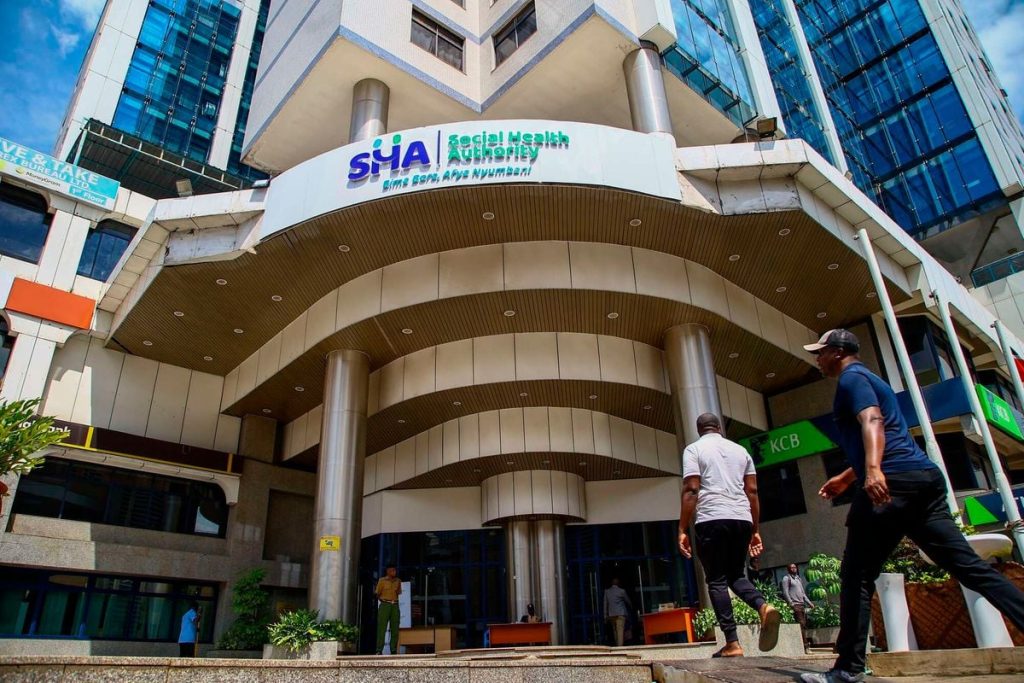
Thousands of Kenyans requiring specialized medical interventions abroad face continued financial strain as the Social Health Authority confirmed it will not reimburse foreign healthcare facilities until formal procurement procedures are finalized.
ALSO READ: YouTube Superstar IShowSpeed Names Kenya as Standout Highlight of Historic 28-Day African Tour
Parliamentary Disclosure Reveals Policy Gap
During testimony before the National Assembly Public Investments Committee on Social Services this Wednesday, Social Health Authority Chief Executive Officer Mercy Mwangangi outlined significant operational limitations affecting patients seeking treatment beyond Kenya’s borders.
The senior health official clarified that SHA currently lacks the legal framework to process payments to international medical facilities, leaving patients to shoulder the full financial burden of overseas care despite their regular contributions to the Social Health Insurance Fund.
“SHA can only remit payments to facilities with which we have established contractual agreements,” Mwangangi explained to committee members. “At this moment, we have no binding contracts with any treatment or management facility in India or other nations.”
Departure from Previous NHIF Model
The current situation represents a fundamental shift from practices employed by SHA’s predecessor, the National Hospital Insurance Fund, which utilized a different engagement methodology with international healthcare providers.
Previous System vs. Current Requirements
Former NHIF Approach:
- Operated through guarantee-of-payment arrangements
- Pre-authorized specific hospitals for patient referrals
- Enabled direct billing between facilities and insurance fund
- Required minimal procurement formalities
Current SHA Framework:
- Must comply with public procurement legislation
- Requires competitive contracting processes
- Demands formal agreements before payment authorization
- Implements anti-fraud safeguards
“NHIF employed what was termed a guarantee-of-payment system for select overseas hospitals,” Mwangangi noted. “Under SHA’s mandate, we must adhere to procurement regulations as stipulated by law.”
Rationale Behind Procurement Requirements
The Social Health Authority’s leadership emphasized that strict adherence to procurement laws serves multiple protective purposes for both the government and patients.
Key Objectives:
- Fraud Prevention: Establishing verified contractual relationships prevents illegitimate payment claims
- Service Verification: Ensures hospitals cannot demand payment for treatments not actually provided
- Quality Assurance: Contracts will include service standards and accountability measures
- Cost Control: Competitive procurement may yield better rates for medical services
- Legal Compliance: Protects the authority from potential legal challenges regarding fund management
“The procurement framework is designed to safeguard against fraudulent claims and prevent situations where facilities bill for services they haven’t delivered,” the CEO clarified.
Timeline for Resolution
While acknowledging the immediate hardship this creates for patients, Mwangangi provided assurances that SHA has initiated engagement with international healthcare facilities and expects to resolve the contracting gap within weeks.
Implementation Schedule:
- Current Status: Active negotiations with overseas medical centers
- Target Completion: End of March 2026
- Next Step: Publication of accredited facility list
- Coverage Activation: Immediate upon contract finalization
“Once we complete the procurement process, we will publish comprehensive lists of contracted facilities—whether located in India, Turkey, Germany, or elsewhere—with which SHA has formal agreements,” Mwangangi told parliamentarians.
Coverage Details and Limitations
The authority has established parameters for overseas medical coverage that will take effect once contractual frameworks are operational.
Financial Coverage:
- Maximum Benefit: Up to KSh 500,000 per eligible patient
- Package Type: Designated overseas treatment package
- Eligibility: SHA members requiring specialized care unavailable domestically
- Geographic Scope: Multiple countries beyond traditional India focus
Expanded Geographic Options:
Contrary to past patterns where India dominated medical tourism from Kenya, SHA is pursuing partnerships across diverse locations including:
- India (traditional destination for cardiac, oncology, and orthopedic care)
- Turkey (emerging hub for specialized treatments)
- Germany (known for advanced diagnostics and procedures)
- Other qualified international facilities meeting SHA standards
“We’re engaging hospitals across several countries, not limiting ourselves to India, which has historically been the primary destination,” Mwangangi emphasized.
Policy Background and Context
This development follows earlier directives from Health Cabinet Secretary Aden Duale, who announced tightened controls on overseas medical referrals under SHA in 2025.
Previous Government Action:
Duale temporarily suspended the overseas referral process pending implementation of enhanced regulations designed to:
- Strengthen oversight of international medical travel
- Establish clearer eligibility criteria
- Improve cost containment measures
- Ensure appropriate medical necessity verification
The suspension was intended to prevent misuse of public funds while creating more robust systems for managing cross-border healthcare.
Immediate Impact on Kenyan Families
Until SHA completes its contracting process, Kenyan citizens requiring specialized medical interventions unavailable in domestic facilities face significant financial challenges.
Patient Implications:
Financial Burden: Families must independently finance:
- International travel costs
- Accommodation for patients and caregivers
- Full medical procedure expenses
- Post-treatment medications and follow-up care
- Emergency complications or extended stays
Medical Access: Patients with conditions requiring immediate overseas intervention cannot defer treatment until April, forcing difficult financial decisions during medical crises.
Insurance Contributions: Despite regular SHA premium payments, members cannot access overseas benefits they anticipated when enrolling in the scheme.
Broader Healthcare System Implications
This policy gap highlights tensions between healthcare accessibility and regulatory compliance in Kenya’s evolving health insurance landscape.
Systemic Considerations:
Capacity Gaps: The need for overseas care reflects limitations in Kenya’s domestic healthcare infrastructure for certain specialized treatments, particularly:
- Complex cardiac surgeries
- Advanced cancer therapies
- Rare disease management
- Specialized pediatric interventions
- Cutting-edge diagnostic procedures
Insurance Transition: SHA’s implementation continues facing operational challenges as the system transitions from NHIF’s established processes to new regulatory frameworks.
Equity Concerns: Wealthier families can self-fund overseas treatment, while lower-income households may face impossible choices or forgo necessary care entirely.
What Patients Should Do Now
Healthcare advocates recommend several steps for Kenyans who may need overseas medical care in coming weeks:
- Explore Domestic Options: Consult with Kenyan specialists about whether adequate local treatment exists
- Document Medical Necessity: Gather comprehensive medical records supporting need for overseas care
- Research Costs: Obtain detailed cost estimates from potential overseas facilities
- Financial Planning: Explore loans, crowdfunding, or family support networks
- Monitor Updates: Watch for SHA’s March publication of accredited facilities
- Retain Documentation: Keep all receipts and medical records for potential future reimbursement claims
Looking Ahead
The Social Health Authority’s commitment to completing the procurement process by month-end offers hope for resolution, though families facing immediate medical crises cannot afford to wait.
Once implemented, the new framework may provide more transparent, accountable, and potentially cost-effective access to international medical services for SHA members.
However, the transition period underscores challenges inherent in reforming complex healthcare systems while balancing regulatory compliance, fraud prevention, and patient care access.
Editor’s Note: Patients requiring overseas medical care should consult directly with SHA for the most current information on policy developments and potential interim solutions.
Key Facts
- Current Status: SHA not paying foreign hospitals
- Reason: No contracts in place; procurement process required
- Timeline: Contracts expected by end of March 2026
- Coverage Amount: Up to KSh 500,000 per patient
- Countries: India, Turkey, Germany, and others under consideration
- Interim Impact: Patients must self-fund all overseas medical expenses
Keywords: Social Health Authority Kenya, SHA overseas treatment, Kenya medical tourism, foreign hospital payments, NHIF vs SHA, specialized medical care Kenya, Health Cabinet Secretary Aden Duale, medical insurance Kenya
Related Topics: Healthcare Reform Kenya, Medical Tourism, Health Insurance Coverage, Procurement Law Compliance, Patient Rights Kenya
Follow us on X












VIDEO: Uproar as Kikuyu Man Brian Njagi Leaks Intimate Videos With Three Older Women on Telegram

VIDEO: Kikuyu Church Leader Accused by Own Daughter of Sleeping With Her Husband

From Eight Years of Love to an Acid Attack — The Chilling Story of Clare and Elvis

Russian TikToker’s Videos Include Encounter with Older Woman, Raising Further Consent Concerns

VIDEO: Hannah Benta Caught Up in Leaked Video Controversy Involving Baby Daddy Sammir

East Africa’s Richest Musicians 2025: The Wealth Rankings Revealed
-
 Gossip1 week ago
VIDEO: Hannah Benta Caught Up in Leaked Video Controversy Involving Baby Daddy Sammir
-
 Gossip3 days ago
VIDEO: Uproar as Kikuyu Man Brian Njagi Leaks Intimate Videos With Three Older Women on Telegram
-

 News1 week ago
Explained: Why Your Charger Cable Has That Small Lump — and What It Actually Does
-
 Gossip4 days ago
VIDEO: Kikuyu Church Leader Accused by Own Daughter of Sleeping With Her Husband
-

 News6 days ago
“We Almost Lost Tuju” — Kalonzo Breaks Silence on Overnight Ordeal at Karen Police Station
-
 Nairobi5 days ago
From Eight Years of Love to an Acid Attack — The Chilling Story of Clare and Elvis