
Education
KUCCPS Releases 27 High-Demand Courses for KCSE Candidates with Grades C, D, and D-
Kenya’s university placement service unveils market-driven TVET programs targeting 634,000 students who scored below C+ in 2025 national examinations
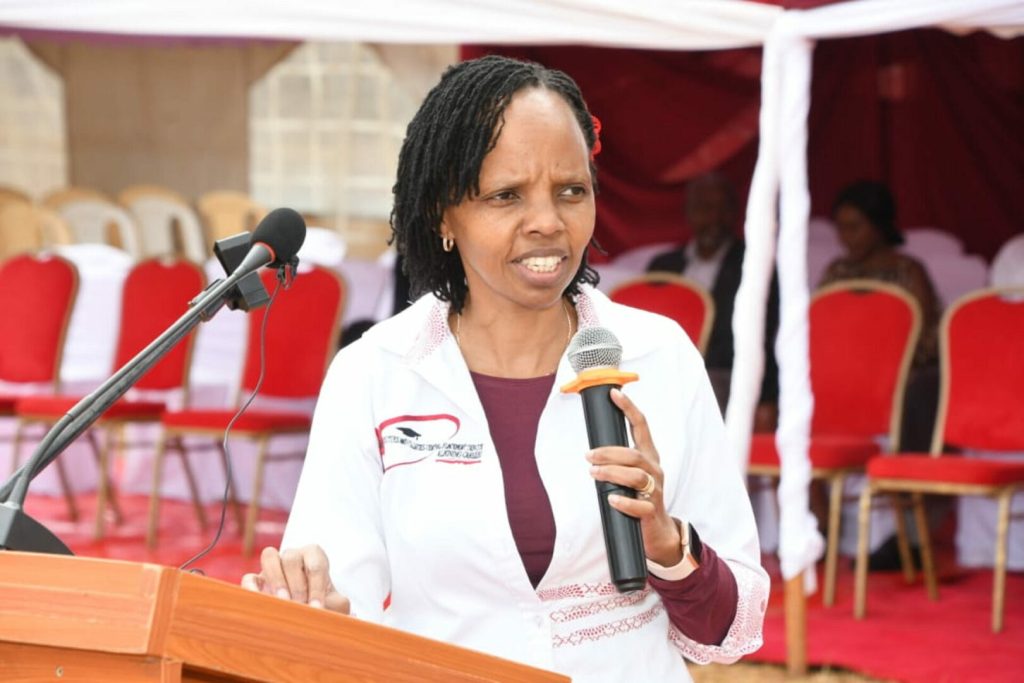
The Kenya Universities and Colleges Central Placement Service (KUCCPS) has published an official catalog of 27 employment-focused courses designed specifically for students who achieved Grades C, D, and D- in the 2025 Kenya Certificate of Secondary Education (KCSE) examinations.
This strategic initiative targets the majority of 2025 KCSE candidates—over 634,000 students who scored below the traditional university entry threshold—providing structured pathways into Technical and Vocational Education and Training (TVET) institutions nationwide.
Government Strategy to Expand TVET as Employment Gateway
The course offerings represent a deliberate government policy shift aimed at positioning technical and vocational training as a viable alternative to conventional university education, with emphasis on practical skills that address Kenya’s labor market needs.
KUCCPS officials stated that the program expansion supports national efforts to reduce youth unemployment by equipping graduates with hands-on competencies aligned to industry requirements and entrepreneurship opportunities.
“This framework ensures that every KCSE candidate has access to quality tertiary education regardless of their examination performance,” a KUCCPS representative explained. “TVET qualifications increasingly meet employer demands for skilled workers across multiple economic sectors.”
Complete List of 27 KUCCPS-Approved Market-Driven Courses
The placement service has categorized available programs into five distinct sectors based on career pathways and industry alignment.
Business and Information Technology Programs (7 Courses)
Accountancy – Financial management, bookkeeping, and auditing skills for public and private sector employment
Business Management – Entrepreneurship, operations management, and organizational leadership training
Supply Chain Management – Logistics, procurement, inventory control, and distribution systems
Human Resource Management – Talent acquisition, employee relations, and organizational development
Sales and Marketing – Consumer behavior analysis, brand management, and business development strategies
Computer Science – Programming, software development, and systems analysis
Information Communication Technology (ICT) – Network administration, cybersecurity, and digital infrastructure management
Engineering and Technical Disciplines (7 Courses)
Electrical and Electronic Engineering – Power systems, circuit design, and electronic device maintenance
Automotive Engineering – Vehicle mechanics, diagnostics, and modern automotive technology
Building Construction – Architectural implementation, structural work, and construction project management
Plumbing – Water systems installation, sanitation engineering, and maintenance services
Welding and Fabrication – Metal joining techniques, structural fabrication, and industrial manufacturing
Mechanical Engineering Technology – Machine operations, industrial equipment maintenance, and manufacturing processes
Agricultural Irrigation and Drainage Engineering – Water resource management for agricultural productivity
Health and Applied Sciences (6 Courses)
Environmental Health – Public health protection, sanitation management, and disease prevention
Nutrition and Dietetics – Food science, clinical nutrition, and community health nutrition
Health Records and Information Technology – Medical documentation, health informatics, and patient data management
Medical Laboratory Technology – Clinical testing, diagnostic procedures, and laboratory operations
Applied Biology – Biotechnology applications, research assistance, and biological sciences
Applied Chemistry – Industrial chemistry, quality control, and chemical analysis
Agriculture and Natural Resources (4 Courses)
Agriculture – Crop production, farm management, and agricultural technology
Animal Health and Production – Veterinary support services, livestock management, and animal husbandry
Forestry – Forest conservation, timber management, and environmental protection
Fisheries and Aquaculture – Fish farming, aquatic resource management, and marine conservation
Hospitality, Fashion and Creative Industries (3 Courses)
Tourism and Hotel Management – Hospitality operations, customer service excellence, and tourism industry skills
Food and Beverage Production – Culinary arts, food safety standards, and commercial food preparation
Fashion Design and Clothing Technology – Garment construction, textile design, and fashion industry operations
Academic Entry Requirements Explained
KUCCPS has established clear qualification criteria based on KCSE performance, aligning entry standards with program complexity levels.
Diploma Level Programs
Students seeking diploma-level enrollment must have achieved a minimum KCSE grade of C- (C minus) in their 2025 examinations.
Diploma programs typically run for two to three years and provide comprehensive theoretical knowledge combined with practical application, preparing graduates for mid-level technical positions or further academic advancement.
Certificate Level Programs
Certificate courses require candidates to have scored at least Grade D in the 2025 KCSE examinations.
These programs generally span one to two years, focusing on foundational skills and entry-level competencies for immediate workforce integration or progression to diploma studies.
Artisan Level Training
Artisan courses accept students who attained a minimum grade of D- (D minus) in their KCSE results.
Artisan training emphasizes hands-on skill development for specific trades, typically completed within six months to one year, enabling graduates to pursue self-employment or apprenticeship opportunities.
Understanding the 2025 KCSE Results Breakdown
The Ministry of Education’s release of 2025 KCSE results revealed performance statistics that underscore the importance of expanded TVET opportunities.
Performance Distribution
Grade C+ and Above: 270,715 candidates qualified for direct university entry, representing approximately 27% of total candidates
Grade C- (C minus): 507,131 students achieved this level, making them eligible for diploma programs across TVET institutions
Grade D+ and Above: 634,082 candidates attained pass grades, qualifying for various certificate and artisan training opportunities
The data indicates that nearly 363,000 students who passed KCSE scored below university entry requirements, creating substantial demand for quality TVET alternatives.
Why TVET Education Is Gaining Prominence
Kenya’s educational policy increasingly recognizes technical and vocational training as essential to economic development and youth empowerment.
Employment Advantages of TVET Qualifications
Practical Skills Focus: TVET programs prioritize hands-on training that employers value, often leading to faster job placement than traditional academic routes
Industry Partnerships: Many TVET institutions maintain direct relationships with businesses, facilitating internships, apprenticeships, and direct hiring
Entrepreneurship Readiness: Technical skills enable graduates to establish independent businesses, addressing self-employment goals
Shorter Training Duration: Certificate and diploma programs typically require less time than degree courses, allowing earlier workforce entry
Lower Education Costs: TVET programs generally cost less than university degrees, reducing financial barriers for students from economically constrained backgrounds
Government Support for TVET Expansion
Recent policy initiatives demonstrate governmental commitment to strengthening vocational education infrastructure:
- Increased funding allocation to TVET institutions for equipment modernization
- Enhanced instructor training programs to improve teaching quality
- Standardization of curricula to ensure industry-relevant competencies
- Recognition frameworks allowing TVET graduates to advance academically
- Public awareness campaigns challenging stigma around non-university pathways
How Students Can Apply for KUCCPS TVET Placement
Candidates interested in pursuing any of the 27 listed courses should follow the official KUCCPS application process.
Application Steps
Portal Access: Visit the official KUCCPS website at kuccps.net to access the student portal
Account Creation: Register using your KCSE index number and personal details
Course Selection: Review available programs and select preferences based on your grade and interests
Institution Preferences: Indicate preferred TVET institutions offering your chosen courses
Application Submission: Complete and submit your application within the specified deadline
Await Placement: KUCCPS will process applications and communicate placement results through the portal
Students are advised to select multiple course options to increase placement probability, particularly for high-demand programs with limited capacity.
Career Prospects Across Different Sectors
The 27 courses offer diverse career trajectories aligned with Kenya’s economic development priorities.
High-Demand Sectors
Construction and Infrastructure: Building, plumbing, welding, and electrical engineering graduates meet demands from Kenya’s expanding infrastructure projects
Healthcare Services: Medical laboratory technology, nutrition, and health records professionals address growing health sector needs
Agriculture and Food Security: Agricultural courses support the backbone of Kenya’s economy and food production goals
Digital Economy: ICT and computer science graduates fill critical gaps in Kenya’s technology transformation
Hospitality and Tourism: Hotel management and culinary arts align with Kenya’s tourism industry growth
Each sector offers pathways to formal employment, government positions, private sector opportunities, and entrepreneurial ventures.
Addressing Educational Equity and Access
The KUCCPS initiative recognizes that academic examination performance doesn’t define an individual’s potential for success or contribution to society.
By providing structured, quality alternatives to university education, the program ensures that students across all performance levels access opportunities for skills development, career advancement, and economic participation.
Education stakeholders emphasize that Kenya’s development requires diverse talent—from engineers and accountants to skilled artisans and technicians—all of whom play essential roles in national progress.
Next Steps for 2025 KCSE Candidates
Students who scored Grades C, D, and D- should take immediate action to explore TVET opportunities:
- Review the complete course list and research career prospects for programs of interest
- Assess personal strengths, interests, and long-term career goals
- Consult with parents, teachers, or career counselors about suitable options
- Visit the KUCCPS portal to verify specific entry requirements and institution locations
- Prepare necessary documentation for the application process
- Submit applications promptly when the placement window opens
Early engagement with the process increases chances of securing placement in preferred courses and institutions.
Key Takeaway: KUCCPS has expanded tertiary education access for over 634,000 KCSE candidates through 27 market-driven TVET courses spanning business, engineering, health sciences, agriculture, and creative industries—ensuring every student has pathways to employment and self-reliance regardless of examination performance.
For official updates and application details, visit the KUCCPS portal at kuccps.net or contact your nearest TVET institution for course-specific information.
Follow us on X






“We Almost Lost Tuju” — Kalonzo Breaks Silence on Overnight Ordeal at Karen Police Station

VIDEO: Hannah Benta Caught Up in Leaked Video Controversy Involving Baby Daddy Sammir

Explained: Why Your Charger Cable Has That Small Lump — and What It Actually Does

Russian TikToker’s Videos Include Encounter with Older Woman, Raising Further Consent Concerns

East Africa’s Richest Musicians 2025: The Wealth Rankings Revealed
VIDEO: Hannah Benta Caught Up in Leaked Video Controversy Involving Baby Daddy Sammir
-
 Gossip1 day ago
VIDEO: Hannah Benta Caught Up in Leaked Video Controversy Involving Baby Daddy Sammir
-

 Gossip1 week ago
VIDEOS: What Happened In Naivasha During The Weekend Has Boyfriends Crying
-

 Education1 week ago
Israeli Government Announces Fully Funded Postgraduate Scholarships for Kenyans
-
 News1 day ago
Explained: Why Your Charger Cable Has That Small Lump — and What It Actually Does
-

 News1 week ago
VIDEO: Every Goal Scored in the Premier League This Weekend — Matchweek 30
-

 Business1 week ago
EPRA Sets Fuel Prices for March-April 2026 — Here Is What You Will Pay
-
 News3 hours ago
“We Almost Lost Tuju” — Kalonzo Breaks Silence on Overnight Ordeal at Karen Police Station