
Nairobi
Government Pledges Stable Sugar Prices Despite Production Decline
Kenyan authorities have moved to assure consumers of consistent sugar availability and steady pricing amid a significant drop in domestic production, even as the country maintains its policy restricting imports from non-regional sources.
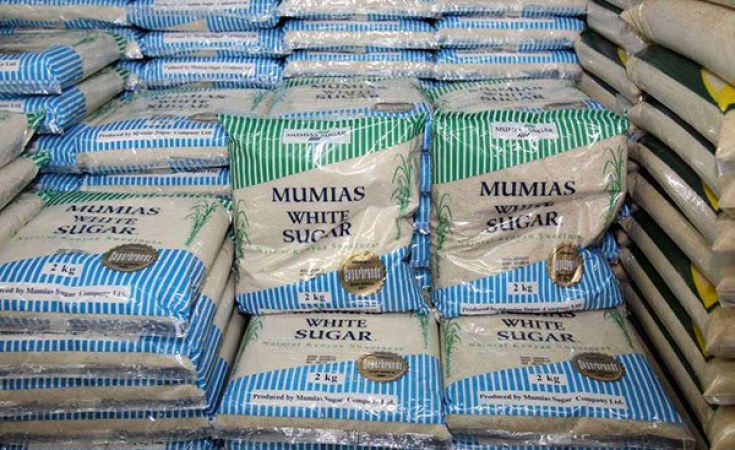
The Kenya Sugar Board issued a statement Thursday affirming that national sugar stocks remain adequate despite output falling to 613,000 metric tonnes in 2025, representing just over 60 percent of the nation’s 1.2 million metric tonne annual requirement.
This marks a substantial decrease from the 815,000 metric tonnes produced in 2024, according to data from the Kenya National Bureau of Statistics. Officials attribute the reduction to several interconnected factors affecting the sector’s operational capacity.
Multiple Factors Behind Output Reduction
Industry regulators point to adverse weather patterns as a primary contributor to diminished production levels. Dry conditions throughout late 2025 and continuing into early 2026 have hampered sugarcane growth cycles and limited processing capabilities at milling facilities.
Strategic industry decisions also played a role in the production figures. The Kenya Sugar Board explained that extensive harvesting of mature sugarcane occurred in 2024, resulting in a larger proportion of crops remaining in developmental phases during 2025.
Consequently, seven processing plants in Western Kenya’s lower and upper zones suspended operations temporarily to permit crops to reach full maturity, ensuring optimal sugar content yields upon eventual harvest.
Ongoing restructuring efforts within the state-owned factory system further constrained output. Four government mills were closed for approximately nine months while undergoing privatization processes and infrastructure upgrades valued at 12.5 billion shillings, significantly reducing national milling capacity during the renovation period.
Recovery Initiatives Underway
Authorities emphasize that current production constraints represent temporary challenges rather than long-term systemic problems. Recovery programs are already being implemented across the sector.
These initiatives include completion of mill rehabilitation projects and introduction of faster-maturing sugarcane varieties designed to accelerate production cycles and improve overall yields.
The government has allocated 1.2 billion shillings through the Sugar Development Levy to support sector expansion. The fund targets increased cultivation acreage, enhanced productivity per hectare, and guaranteed farmer payments to encourage continued production.
Kenya Sugar Board Chief Executive Jude Chesire stressed that comprehensive reforms are transforming the industry to meet rising domestic consumption levels.
“Regulatory bodies and government agencies have implemented market stabilization protocols ensuring continued sugar availability and price predictability while protecting consumers from artificial scarcity and market manipulation as production recovery proceeds despite ongoing dry weather in early 2026,” Chesire stated.
He noted that substantial sugarcane volumes are currently growing in fields with miller support, projecting robust harvesting and processing activity to commence from October-November 2026, signaling the start of sustained domestic production growth.
Import Policy Remains in Effect
The production challenges emerge months after President William Ruto’s administration announced in September 2024 that Kenya would discontinue sugar imports from countries outside regional trade agreements.
Agriculture Ministry officials justified the import restrictions by citing increased local production capacity, with projections exceeding 800,000 metric tonnes for 2024 that would reduce dependency on foreign supplies.
The ban specifically applies to sugar originating from nations not participating in the East African Community or Common Market for Eastern and Southern Africa trading blocs, while permitting continued imports from regional partners.
Despite the current production shortfall relative to national demand, authorities maintain that existing supply management strategies will prevent market disruptions or price volatility as sector reforms progress and production capacity expands.




VIDEO: Every Goal Scored in the Premier League This Weekend — Matchweek 30

EPRA Sets Fuel Prices for March-April 2026 — Here Is What You Will Pay

Israeli Government Announces Fully Funded Postgraduate Scholarships for Kenyans

Russian TikToker’s Videos Include Encounter with Older Woman, Raising Further Consent Concerns

East Africa’s Richest Musicians 2025: The Wealth Rankings Revealed

Why Gachagua Was Absent at Raila’s Farewell, According to His Camp
-

 Gossip6 days ago
VIDEOS: What Happened In Naivasha During The Weekend Has Boyfriends Crying
-

 Gossip1 week ago
VIDEO: Kenyan Female Chemist Attendant Goes Viral After Video Shows Her Helping Male Customer Put On Protection — Public Reacts
-

 Gossip1 week ago
Morara Kebaso’s Secret Mombasa Getaway With Slay Queen Laid Bare in Shocking Audio Leak
-

 Gossip1 week ago
Watch Video: Vihiga Man Takes Selfie Of Wife and Pastor During Mechi
-

 Gossip1 week ago
The Cheeky Couple Video That Broke Social Media This Week
-

 Mombasa1 week ago
VIDEO: Mackenzie’s Lawyer Challenges Police to Prove Shakahola Victims Are Not in Heaven
-

 Education1 week ago
How to Apply for Kenya Utalii College Through KUCCPS — Diploma and Certificate Applications Now Open
-
 Education6 days ago
Israeli Government Announces Fully Funded Postgraduate Scholarships for Kenyans