
Education
Grade 10 Placement Crisis Exposes Systemic Challenges in Kenya’s Education Transition
The transition of learners into Grade 10 under Kenya’s Competency-Based Education system has been marred by significant disruptions, with thousands of students yet to report to their assigned institutions three weeks into the academic term.
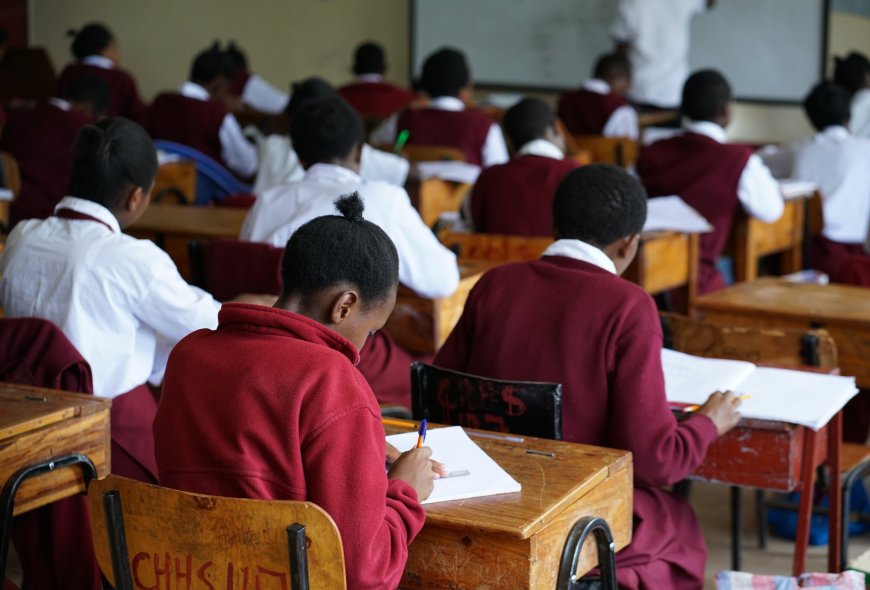
Despite an official reporting deadline of January 12, 2026, substantial numbers of learners who completed the Kenya Junior School Education Assessment have not joined senior secondary schools, raising concerns about the effectiveness of the placement process.
According to Ministry of Education data released last week, only 61 percent of eligible candidates have enrolled in senior secondary institutions, while 97 percent of Grade 6 completers have successfully transitioned to junior secondary schools.
The disparity has prompted government authorities to question the whereabouts of students who have failed to report, with the internal security sector announcing plans for nationwide household inspections to locate unplaced learners.
Widespread Placement Irregularities
Parents and guardians across the country have reported numerous challenges with the placement system, including assignment to institutions located hundreds of kilometers from their residences, frequent changes in school allocations, and mismatches between student preferences and actual placements.
One coastal parent described pursuing admission for her niece at an extra-county school after the student was initially assigned to a day school 500 kilometers away. After multiple attempts, school administrators reportedly agreed to accept the student upon payment of 15,000 shillings as a “commitment fee.”
Similar reports have emerged from parents seeking placement in national schools, with some alleging demands reaching 300,000 shillings for guaranteed admission.
These unofficial payments have added financial strain to families already struggling with education costs, fundamentally altering the traditional model where academic merit alone determined school placement.
Questions Over School Classification
The placement process has also reignited debate about the classification and access criteria for elite institutions under the new education framework.
Recent public statements by political leaders have raised questions about whether historically national schools now operate as community institutions serving specific regions, and what implications this holds for equitable access based on academic performance.
The controversy has sparked discussion about whether institutions previously sponsored by religious organizations or managed as national facilities have undergone changes in governance and admission policies.
Government Response
Education authorities have announced several interventions to address the crisis, including community mobilization initiatives through public forums, religious institutions, and local platforms aimed at encouraging families to ensure student enrollment.
Officials are also promoting awareness of bursary schemes and scholarship opportunities designed to support vulnerable learners and reduce financial barriers to school access.
The Ministry of Education has indicated plans to intensify quality audits across the education system to maintain institutional standards and address hidden costs such as uniform and supply requirements that continue to exclude economically disadvantaged students.
Systemic Concerns
Education analysts suggest the current difficulties reflect deeper structural challenges within the Competency-Based Education framework, including ambiguities in performance assessment and grading interpretation.
The assessment system’s use of descriptive achievement levels rather than numerical scores has created confusion among parents and educators regarding student performance evaluation and institutional selection criteria.
Critics warn that without significant reforms to address placement inefficiencies, financial barriers, and administrative inconsistencies, the CBE system risks experiencing high dropout rates similar to those that affected the previous 8-4-4 curriculum structure.
Government officials acknowledge the transition challenges while emphasizing their commitment to expanding educational access. However, authorities face mounting pressure to ensure that increased enrollment translates into meaningful learning outcomes for all students.
The placement situation remains fluid as education stakeholders work to resolve outstanding cases and facilitate the enrollment of students still awaiting appropriate school assignments.





VIDEO: Every Goal Scored in the Premier League This Weekend — Matchweek 30

EPRA Sets Fuel Prices for March-April 2026 — Here Is What You Will Pay

Israeli Government Announces Fully Funded Postgraduate Scholarships for Kenyans

Russian TikToker’s Videos Include Encounter with Older Woman, Raising Further Consent Concerns

East Africa’s Richest Musicians 2025: The Wealth Rankings Revealed

Why Gachagua Was Absent at Raila’s Farewell, According to His Camp
-

 Gossip6 days ago
VIDEOS: What Happened In Naivasha During The Weekend Has Boyfriends Crying
-

 Gossip1 week ago
VIDEO: Kenyan Female Chemist Attendant Goes Viral After Video Shows Her Helping Male Customer Put On Protection — Public Reacts
-

 Gossip1 week ago
Morara Kebaso’s Secret Mombasa Getaway With Slay Queen Laid Bare in Shocking Audio Leak
-

 Gossip1 week ago
Watch Video: Vihiga Man Takes Selfie Of Wife and Pastor During Mechi
-

 Gossip1 week ago
The Cheeky Couple Video That Broke Social Media This Week
-

 Mombasa1 week ago
VIDEO: Mackenzie’s Lawyer Challenges Police to Prove Shakahola Victims Are Not in Heaven
-
 Education1 week ago
How to Apply for Kenya Utalii College Through KUCCPS — Diploma and Certificate Applications Now Open
-
 Education6 days ago
Israeli Government Announces Fully Funded Postgraduate Scholarships for Kenyans