
Nairobi
Gachagua: DCP Defectors Were Ruto’s Moles All Along
Democracy for the Citizens Party leader Rigathi Gachagua has characterized recent defections from his political outfit as the removal of covert operatives planted by the ruling United Democratic Alliance, signaling an intensified internal reorganization effort.
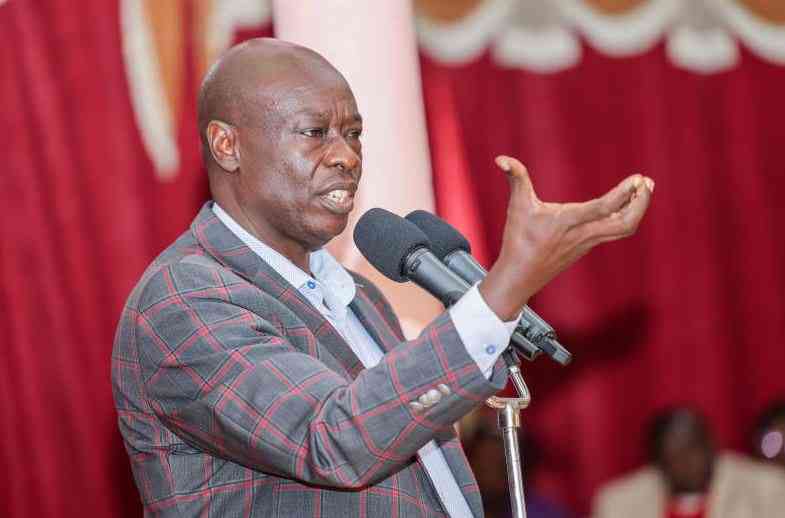
Addressing party officials during a three-day leadership retreat in Kilifi County on Monday, the former Deputy President delivered pointed remarks about members who have recently abandoned the DCP for President William Ruto’s UDA, framing their departure as evidence of prior disloyalty rather than political loss.
“Those departing were infiltrators from the beginning,” Gachagua stated during the closed-door session, according to participants who spoke with journalists afterward. “Their exit actually strengthens our position by revealing who genuinely supports our democratic principles.”
The comments represent Gachagua’s first comprehensive response to what observers describe as a steady migration of allies toward the ruling party, a trend that has accelerated in recent weeks and raised questions about the DCP’s viability in Mount Kenya, traditionally considered Gachagua’s political stronghold.
Democratic Processes Versus Political Convenience
The DCP leader specifically addressed the departure of Juja Member of Parliament George Koimburi, who recently announced his switch to UDA. Gachagua indicated that Koimburi’s exit followed disagreements over nomination procedures, with the legislator allegedly seeking guaranteed party tickets rather than participating in competitive primaries.
“There exists no system of automatic nominations within our party framework,” Gachagua explained. “Every aspirant, regardless of their history or connections, must submit themselves to democratic selection by party members.”
He emphasized that supporting him during the impeachment proceedings last year would not translate into preferential treatment during nomination exercises, underscoring what he described as the party’s commitment to internal democracy over patronage politics.
The former Deputy President suggested that such demands for direct tickets indicated misalignment with DCP values and potentially revealed previous allegiances to other political formations.
Growing List of Departures
The exodus from DCP has indeed gathered momentum, particularly among elected officials from the Mount Kenya region. Recent high-profile exits include Githunguri MP Gathoni Wamuchomba, former Nyeri Town MP Ngunjiri Wambugu, and Maragwa legislator Mary Wamaura, all of whom have either joined UDA or signaled intentions to do so.
Nyeri Governor Mutahi Kahiga has become a source of speculation following his attendance at a UDA grassroots meeting held at Sagana State Lodge in Nyeri County. While Kahiga has not formally announced any party change, his presence at the ruling party event triggered concern among DCP supporters about his continued alignment with Gachagua’s political project.
These movements occur against the backdrop of intensified political activity by President Ruto and Deputy President Kithure Kindiki in Central Kenya. The duo has maintained a visible presence in the region through development tours, church services, and political rallies designed to consolidate government support ahead of the 2027 general election.
Political analysts observe that the UDA strategy appears focused on fragmenting opposition unity in Mount Kenya by offering defecting leaders platform advantages, development partnerships, and potential nomination guarantees that newer parties like DCP cannot match.
Accusations of Orchestrated Division
During the Kilifi retreat, Gachagua accused UDA of conducting a systematic campaign to destabilize DCP through inducements and promises aimed at party officials. He characterized the ruling party’s approach as reflecting desperation about facing a unified opposition in the next electoral cycle.
“What we witness is not organic political realignment but manufactured defection driven by state resources and influence,” Gachagua asserted, though he provided no specific evidence of such inducements.
The former Deputy President maintained that DCP would emerge stronger from this period of turbulence, suggesting that removing members whose loyalty remained questionable actually improved party cohesion and ideological clarity.
“A smaller, committed team always outperforms a larger group riddled with saboteurs,” he noted, employing language that signals a shift toward emphasizing quality of membership over numerical strength.
Implications for Mount Kenya Politics
The migration of elected officials from DCP to UDA carries significant implications for political dynamics in Mount Kenya, a region that has historically wielded considerable influence in Kenyan presidential elections due to its large voter population.
Gachagua’s political standing in the area became uncertain following his impeachment as Deputy President in October 2024, a process that exposed divisions within the regional political class. While some leaders maintained support for him, others either remained neutral or actively backed the impeachment, revealing fractures that current defections have widened.
President Ruto and Deputy President Kindiki appear intent on capitalizing on these divisions by positioning UDA as the vehicle through which Mount Kenya can maintain influence in national government. Their message emphasizes development delivery and government access rather than opposition politics.
For Gachagua, the challenge lies in articulating a compelling alternative narrative that persuades voters and political actors that remaining outside government serves their interests better than joining the ruling coalition. His emphasis on democratic party processes and resistance to what he terms state interference represents one approach to this positioning.
Party Rebuilding Efforts
The three-day retreat in Kilifi County forms part of what DCP officials describe as a comprehensive restructuring initiative. Sessions focused on establishing clearer nomination procedures, strengthening party structures at the grassroots level, and developing policy positions that differentiate DCP from both UDA and other opposition formations.
Party insiders indicate that leadership intends to conduct membership audits aimed at identifying officials who maintain divided loyalties. This process, they suggest, will likely result in additional departures but is considered necessary for building an authentic political movement.
Gachagua emphasized during the retreat that DCP would prioritize recruiting younger leaders and political newcomers rather than competing for established politicians who might harbor competing ambitions or external obligations.
“Our focus shifts toward those hungry for genuine change rather than those comfortable with transactional politics,” he stated, signaling a potential generational repositioning of the party’s leadership base.
Broader Opposition Landscape
The challenges facing DCP mirror difficulties experienced by other opposition parties attempting to build sustainable alternatives to the ruling coalition. Recent months have seen UDA successfully attract members from various opposition outfits, strengthening its parliamentary numbers and weakening potential challengers.
This trend has prompted discussions among opposition leaders about the necessity of coalitions or mergers to pool resources and present unified fronts. However, such arrangements often founder on disagreements over leadership, resource allocation, and strategic direction.
Gachagua has remained non-committal about potential opposition alliances, focusing instead on establishing DCP as a credible standalone entity before entertaining partnership discussions. This approach risks isolation but may preserve party independence and negotiating leverage for future coalition talks.
As the 2027 election cycle approaches, the contest for Mount Kenya’s political direction appears increasingly central to national political calculations. Whether DCP can stabilize its membership, articulate compelling alternatives to government policies, and maintain relevance amid sustained pressure from the ruling party will significantly influence both regional and national political trajectories.
For now, Gachagua projects confidence despite the setbacks, framing recent events as necessary clarification rather than existential crisis. Whether this optimism proves justified depends on his ability to translate defiance into sustainable political organization capable of competing effectively in Kenya’s demanding electoral environment.





VIDEO: Every Goal Scored in the Premier League This Weekend — Matchweek 30

EPRA Sets Fuel Prices for March-April 2026 — Here Is What You Will Pay

Israeli Government Announces Fully Funded Postgraduate Scholarships for Kenyans

Russian TikToker’s Videos Include Encounter with Older Woman, Raising Further Consent Concerns

East Africa’s Richest Musicians 2025: The Wealth Rankings Revealed

Why Gachagua Was Absent at Raila’s Farewell, According to His Camp
-

 Gossip5 days ago
VIDEOS: What Happened In Naivasha During The Weekend Has Boyfriends Crying
-

 Gossip1 week ago
Morara Kebaso’s Secret Mombasa Getaway With Slay Queen Laid Bare in Shocking Audio Leak
-

 Gossip1 week ago
VIDEO: Kenyan Female Chemist Attendant Goes Viral After Video Shows Her Helping Male Customer Put On Protection — Public Reacts
-

 Gossip1 week ago
Watch Video: Vihiga Man Takes Selfie Of Wife and Pastor During Mechi
-

 Gossip1 week ago
The Cheeky Couple Video That Broke Social Media This Week
-

 Mombasa1 week ago
VIDEO: Mackenzie’s Lawyer Challenges Police to Prove Shakahola Victims Are Not in Heaven
-
 Education1 week ago
How to Apply for Kenya Utalii College Through KUCCPS — Diploma and Certificate Applications Now Open
-
 Education5 days ago
Israeli Government Announces Fully Funded Postgraduate Scholarships for Kenyans