
Counties
Governor Nassir Joins National Leaders at State House Summit on Universal Health Coverage
By Feddy Madebe,
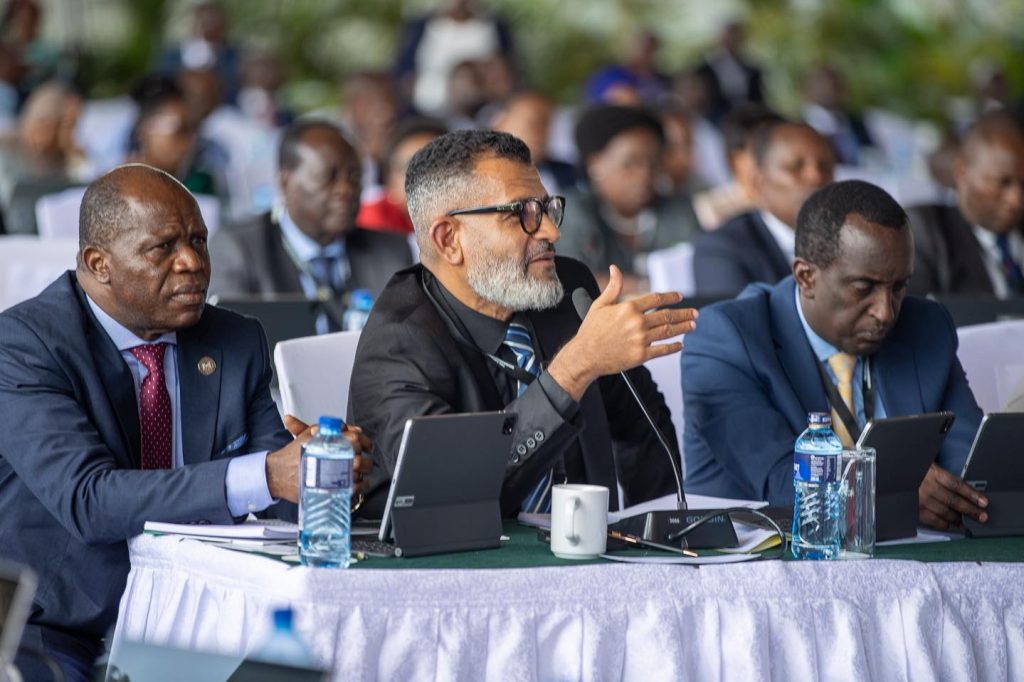
NAIROBI — Mombasa Governor Abdulswamad Shariff Nassir participated in high-level deliberations on healthcare transformation during the 12th National and County Governments Coordinating Summit held at State House, Nairobi, where he represented county interests as Chair of the Council of Governors’ Health Committee.
ALSO READ: Mombasa Lands CECM Amadoh Leads Community-Centered Planning Revolution in Junda Bahati
The summit, convened by President William Ruto and attended by Deputy President Professor Kithure Kindiki, Cabinet Secretaries, and governors from across Kenya’s 47 counties, focused on critical healthcare reforms aimed at strengthening the nation’s Universal Health Coverage (UHC) agenda.
Intergovernmental Collaboration Takes Center Stage
Governor Nassir outlined the summit’s core agenda, which emphasized enhancing coordination between national and county governments to accelerate healthcare delivery improvements across the country.
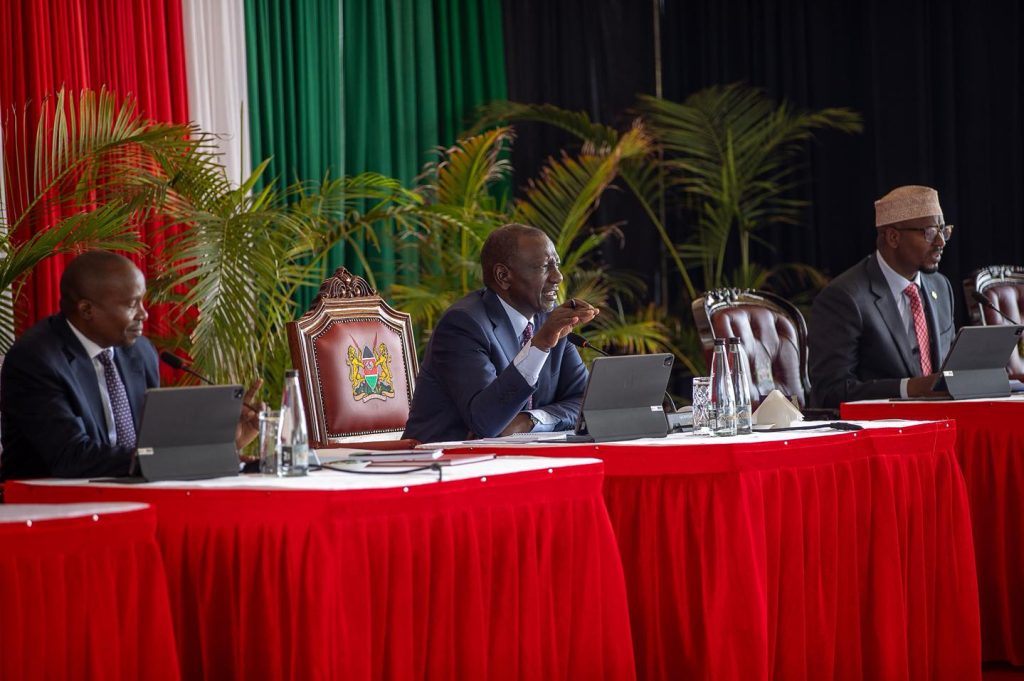
“Our deliberations focused on strengthening intergovernmental collaboration, accelerating progress in UHC, ensuring sustained financing for primary healthcare, and unlocking long-term reforms that will make our health systems more resilient and people-centred,” Governor Nassir stated following the summit.
The gathering addressed persistent challenges in Kenya’s devolved healthcare system, where counties manage primary healthcare facilities while the national government oversees policy frameworks, regulatory functions, and specialized medical services. Effective coordination between these two levels of government remains essential for delivering seamless healthcare to citizens.
Financing Primary Healthcare: A Critical Priority
A significant portion of summit discussions centered on sustainable financing mechanisms for primary healthcare—the foundation of Kenya’s health system that serves the majority of the population through dispensaries, health centers, and sub-county hospitals.
Counties have consistently raised concerns about inadequate funding for healthcare operations, with many facilities struggling with medicine shortages, equipment deficiencies, and insufficient staffing. The summit explored strategies for ensuring predictable, adequate financing that enables counties to maintain and expand essential health services.
Governor Nassir emphasized that financial sustainability represents more than budgetary allocations—it requires innovative funding models, improved revenue collection, enhanced efficiency in resource utilization, and stronger accountability frameworks that ensure every shilling delivers maximum health impact.
Long-Term Structural Reforms
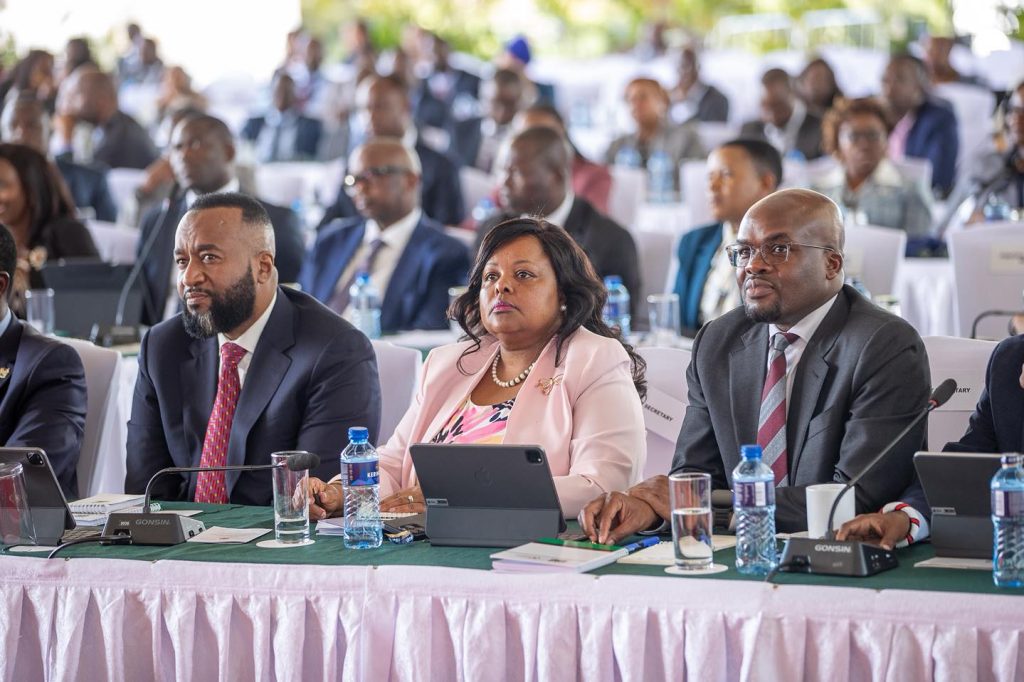
Beyond immediate financing concerns, summit participants examined comprehensive reforms designed to fundamentally strengthen Kenya’s healthcare architecture. These reforms aim to create systems capable of withstanding future health crises while responding effectively to everyday healthcare needs.
Key reform areas discussed included:
Health workforce development — addressing chronic shortages of doctors, nurses, clinical officers, and specialized health professionals across county facilities
Infrastructure modernization — upgrading aging health facilities and expanding access in underserved regions, particularly in rural and marginalized areas
Digital health integration — leveraging technology for patient records management, telemedicine, supply chain optimization, and data-driven decision making
Quality assurance mechanisms — establishing robust systems for monitoring healthcare standards, patient safety, and service delivery effectiveness
Pharmaceutical supply chain resilience — ensuring reliable access to essential medicines and medical supplies through improved procurement and distribution systems
Mombasa’s Healthcare Leadership
As Chair of the Council of Governors’ Health Committee, Governor Nassir plays a pivotal role in articulating county perspectives on health policy and coordinating collective county positions in negotiations with the national government.
Mombasa County has emerged as a leader in healthcare innovation under Governor Nassir’s administration, implementing initiatives that serve as models for other counties. These include expanded maternal and child health programs, improved emergency medical services, upgraded health facilities, and enhanced disease surveillance systems.
“I reaffirmed Mombasa’s commitment—and the collective commitment of counties—to drive impactful, data-driven solutions that safeguard the wellbeing of our citizens,” Governor Nassir stated, underscoring the evidence-based approach counties are adopting in healthcare planning and resource allocation.
Data-Driven Healthcare Solutions
The emphasis on data-driven decision making reflects growing recognition that effective healthcare delivery requires accurate, timely information about disease patterns, service utilization, resource allocation, and health outcomes.
Counties are increasingly investing in health information systems that track patient flows, monitor disease trends, assess facility performance, and identify gaps in service delivery. This data enables targeted interventions, efficient resource deployment, and measurable accountability for health investments.
Governor Nassir’s commitment to data-driven approaches positions Mombasa at the forefront of counties embracing evidence-based healthcare management—a shift from historical reliance on anecdotal information and political considerations in health planning.
Building Resilient, People-Centered Systems
The concept of “people-centered” healthcare represents a philosophical shift from systems organized around institutional convenience to systems designed around patient needs, experiences, and outcomes.
This approach prioritizes accessibility, affordability, dignity in service delivery, patient engagement in treatment decisions, and culturally sensitive care that respects Kenya’s diverse communities.
Resilience, meanwhile, refers to healthcare systems capable of maintaining essential functions during crises—whether pandemic outbreaks, natural disasters, or economic shocks—while continuing to address routine health needs. Kenya’s COVID-19 experience exposed vulnerabilities that the summit participants committed to addressing through comprehensive preparedness planning.
Coordinated Governance for Health
The summit reinforced the principle that effective healthcare delivery in Kenya’s devolved system requires seamless coordination between government levels. Neither the national government nor counties can successfully implement UHC in isolation.
President Ruto’s participation signaled high-level political commitment to resolving persistent coordination challenges that have hindered healthcare progress since devolution began in 2013. Previous tensions over funding transfers, regulatory authority, and responsibility for various health functions have gradually given way to more collaborative approaches.
Deputy President Kindiki’s attendance underscored the administration’s prioritization of healthcare reforms, while the presence of all Cabinet Secretaries demonstrated whole-of-government engagement with health sector strengthening.
Moving Forward: Implementation and Accountability
Governor Nassir concluded his remarks by emphasizing collective accountability for translating summit commitments into tangible healthcare improvements that ordinary Kenyans can experience in their local facilities.
“Together, we continue building a stronger, more coordinated and accountable health sector for all,” he stated, acknowledging that summits must produce measurable outcomes rather than merely generate aspirational declarations.
The 12th National and County Governments Coordinating Summit represents a critical juncture in Kenya’s healthcare journey. With UHC established as a national priority and counties gaining experience in health service management, the focus has shifted from debating devolution principles to optimizing implementation through enhanced coordination, adequate financing, and systemic reforms.
For Mombasa residents and Kenyans nationwide, the summit’s success will ultimately be measured not in policy documents or budget allocations, but in improved access to quality healthcare, reduced out-of-pocket expenses, better health outcomes, and healthcare systems that respond effectively to their needs.
As counties and the national government work to implement summit resolutions, Governor Nassir’s leadership of the Council of Governors’ Health Committee positions him to play a crucial role in ensuring that intergovernmental commitments translate into healthcare transformation that reaches every corner of Kenya.
Follow us on X





VIDEO: Every Goal Scored in the Premier League This Weekend — Matchweek 30

EPRA Sets Fuel Prices for March-April 2026 — Here Is What You Will Pay

Israeli Government Announces Fully Funded Postgraduate Scholarships for Kenyans

Russian TikToker’s Videos Include Encounter with Older Woman, Raising Further Consent Concerns

East Africa’s Richest Musicians 2025: The Wealth Rankings Revealed

Why Gachagua Was Absent at Raila’s Farewell, According to His Camp
-

 Gossip6 days ago
VIDEOS: What Happened In Naivasha During The Weekend Has Boyfriends Crying
-

 Gossip1 week ago
VIDEO: Kenyan Female Chemist Attendant Goes Viral After Video Shows Her Helping Male Customer Put On Protection — Public Reacts
-

 Gossip1 week ago
Morara Kebaso’s Secret Mombasa Getaway With Slay Queen Laid Bare in Shocking Audio Leak
-

 Gossip1 week ago
Watch Video: Vihiga Man Takes Selfie Of Wife and Pastor During Mechi
-

 Gossip1 week ago
The Cheeky Couple Video That Broke Social Media This Week
-

 Mombasa1 week ago
VIDEO: Mackenzie’s Lawyer Challenges Police to Prove Shakahola Victims Are Not in Heaven
-

 Education1 week ago
How to Apply for Kenya Utalii College Through KUCCPS — Diploma and Certificate Applications Now Open
-
 Education6 days ago
Israeli Government Announces Fully Funded Postgraduate Scholarships for Kenyans