
Diaspora
Maryland Family Moves Back to Kenya After Teenage Son Becomes ‘Unbothered’ by Discipline
When a Maryland couple watched their 14-year-old son become increasingly disconnected from consequences and accountability, they made an unconventional choice that would reshape their family’s entire trajectory: relocate from the United States to Kenya in pursuit of the structure and discipline their teenager desperately needed.
ALSO READ: Kenyans in US to Pay KSh 5,800 Airport Fee Without REAL ID from February 2026
Doreen, a Kenya native who had built her life in America, and her American-born husband Anthony faced a parenting crisis that traditional Western approaches seemed unable to resolve. Their son AJ’s descent into academic apathy and behavioral indifference pushed them toward a decision that would test their faith in an educational system thousands of miles from their Maryland home.
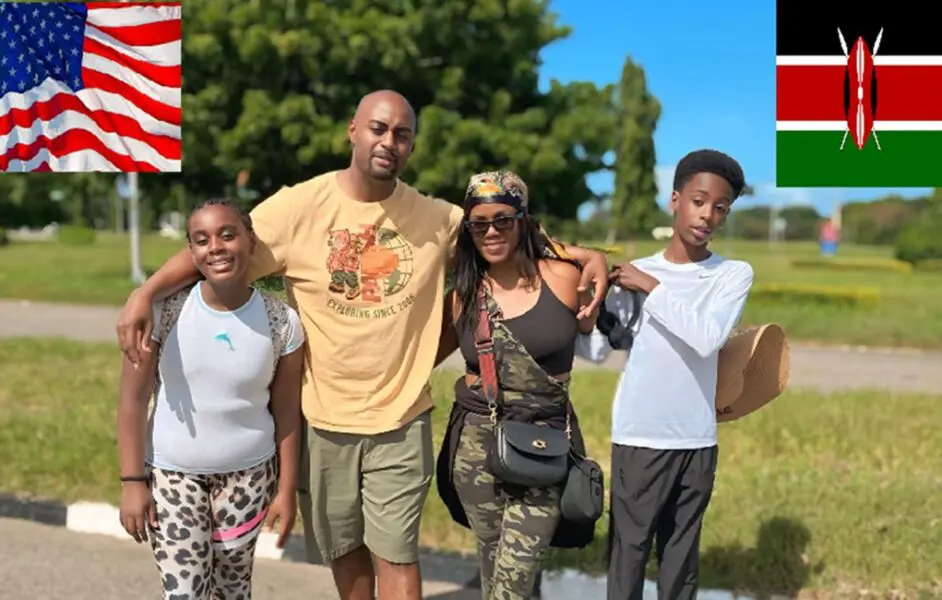
The Breaking Point
The warning signs accumulated gradually but persistently. AJ wasn’t engaging in serious misconduct or violent behavior, but his complete indifference to authority became increasingly alarming to his parents.
“What frightened us most was his total lack of concern,” Doreen explained. “Consequences meant nothing to him anymore. He had become completely unreachable through conventional discipline.”
The family exhausted numerous interventions available in their Maryland community—counseling sessions, modified parenting strategies, various disciplinary frameworks—yet AJ’s resistance only deepened. A pivotal conversation with a trusted friend delivered sobering insight: children who become accustomed to punishment eventually develop immunity to its effects.
Considering Radical Alternatives
Anthony’s professional background in education led him to investigate American military academies as potential solutions. These institutions built their reputations on cultivating discipline, developing leadership capabilities, and fostering personal accountability in young people.
Doreen initially harbored significant reservations about the military school approach, influenced by dramatic portrayals in popular media. “My mental image involved drill sergeants shouting at frightened children,” she admitted. “Once I examined the reality, I discovered many programs emphasized character development and supportive mentorship rather than intimidation.”
Despite growing more comfortable with the concept, neither parent felt completely convinced they had identified the optimal solution.
An Unexpected Path Emerges
The family’s direction shifted following an unplanned conversation that would prove transformative. When Doreen shared news of an upcoming medical procedure on social media, a friend contacted her with well-wishes. During their discussion, the friend mentioned her own children’s positive experiences in Kenya’s boarding school system.
Her description painted a picture of educational environments characterized by rigorous structure, elevated expectations, clear disciplinary frameworks, and systematic cultivation of personal responsibility.
“Every characteristic she outlined aligned perfectly with what AJ needed,” Doreen recalled. “She essentially described my son’s requirements without any knowledge of our specific situation.”
For the first time, returning to Doreen’s homeland emerged as a viable pathway forward rather than merely a nostalgic possibility.
A Cross-Continental Leap
The decision to relocate their entire family represented different stakes for each parent. For Doreen, it meant returning to familiar cultural territory. For Anthony, it required an extraordinary leap of faith—embracing his wife’s heritage and trusting an unfamiliar educational system with their son’s development.
They selected a Kenyan boarding institution recognized for comprehensive student formation through multiple dimensions: structured daily schedules, respect-centered behavioral expectations, mandatory personal responsibilities, academic rigor, and sustained mentorship relationships with faculty members.
Rapid Transformation
The changes in AJ’s behavior and attitude materialized with unexpected speed. Within weeks of enrollment, he began demonstrating qualities that had seemed unreachable in Maryland:
His newfound independence manifested in consistent completion of assigned chores without parental reminders. He maintained his living space according to school standards. He adhered to daily routines voluntarily rather than through enforcement. His interactions with authority figures reflected genuine respect rather than performative compliance. His academic engagement shifted from passive resistance to proactive initiative.
The most revealing moment came during a family visit to the United States. AJ expressed clear preference for remaining in Kenya rather than returning to American life. For his parents, this voluntary commitment confirmed their intuition had guided them correctly.
Cultural Reconnection Beyond Discipline
The family’s relocation delivered benefits extending beyond AJ’s behavioral transformation. The move facilitated comprehensive cultural reintegration for all family members.
Doreen began systematic instruction in Swahili language for her children. She shared traditional practices and cultural narratives that had been difficult to transmit in their American context. The children developed deeper connections to their heritage and formed a more integrated sense of identity that bridged their dual backgrounds.
Anthony’s immersion in Kenyan society provided him direct understanding of the cultural framework shaping his wife’s worldview and parenting philosophy.
Lessons for Diaspora Families
The family’s experience offers meaningful insights for African diaspora communities grappling with similar parenting challenges in Western contexts. Their story demonstrates that solutions to developmental struggles sometimes require looking beyond readily available local resources.
For families with strong connections to African nations, home country educational systems may offer structural and cultural elements that complement or exceed Western alternatives for specific children’s needs. The decision demands careful evaluation of individual circumstances, but dismissing such options without investigation may overlook powerful developmental resources.
A New Beginning Built on Maternal Courage
Doreen’s willingness to uproot her family’s established American life required considerable courage. Her choice reflected confidence in her homeland’s institutional capabilities and trust in her maternal instincts when conventional wisdom suggested alternative approaches.
Their story challenges assumptions about the unidirectional flow of educational opportunity and raises important questions about which environments best serve different children’s developmental needs. While American educational institutions offer undeniable advantages in many contexts, they may not represent optimal solutions for every child or every family.
As African diaspora communities continue navigating the complexities of raising children across cultures, the family’s experience serves as a reminder that sometimes the most effective path forward leads back to ancestral roots and time-tested cultural frameworks.
For Doreen, Anthony, and AJ, that path led home to Kenya—and to a transformation none of them anticipated when they first confronted their parenting crisis in Maryland.
Follow us on X






VIDEO: Every Goal Scored in the Premier League This Weekend — Matchweek 30

EPRA Sets Fuel Prices for March-April 2026 — Here Is What You Will Pay

Israeli Government Announces Fully Funded Postgraduate Scholarships for Kenyans

Russian TikToker’s Videos Include Encounter with Older Woman, Raising Further Consent Concerns

East Africa’s Richest Musicians 2025: The Wealth Rankings Revealed

Why Gachagua Was Absent at Raila’s Farewell, According to His Camp
-

 Gossip5 days ago
VIDEOS: What Happened In Naivasha During The Weekend Has Boyfriends Crying
-

 Gossip1 week ago
Morara Kebaso’s Secret Mombasa Getaway With Slay Queen Laid Bare in Shocking Audio Leak
-

 Gossip1 week ago
VIDEO: Kenyan Female Chemist Attendant Goes Viral After Video Shows Her Helping Male Customer Put On Protection — Public Reacts
-

 Gossip1 week ago
Watch Video: Vihiga Man Takes Selfie Of Wife and Pastor During Mechi
-

 Gossip1 week ago
The Cheeky Couple Video That Broke Social Media This Week
-

 Mombasa1 week ago
VIDEO: Mackenzie’s Lawyer Challenges Police to Prove Shakahola Victims Are Not in Heaven
-

 Education1 week ago
How to Apply for Kenya Utalii College Through KUCCPS — Diploma and Certificate Applications Now Open
-

 Education1 week ago
KUCCPS 2026: Marketable Degree Programmes With the Lowest Cut-Off Points in Kenyan Universities