
Diaspora
Hophine Bwosinde, Kenyan Man in US Jailed Three Years for USD 1.5 Million Tax Fraud
Kansas City — A federal court has handed down a three-year prison sentence to a Kansas-based tax preparation business owner who admitted to defrauding the United States government of nearly USD 1.5 million through systematic manipulation of client tax returns over a four-year period.
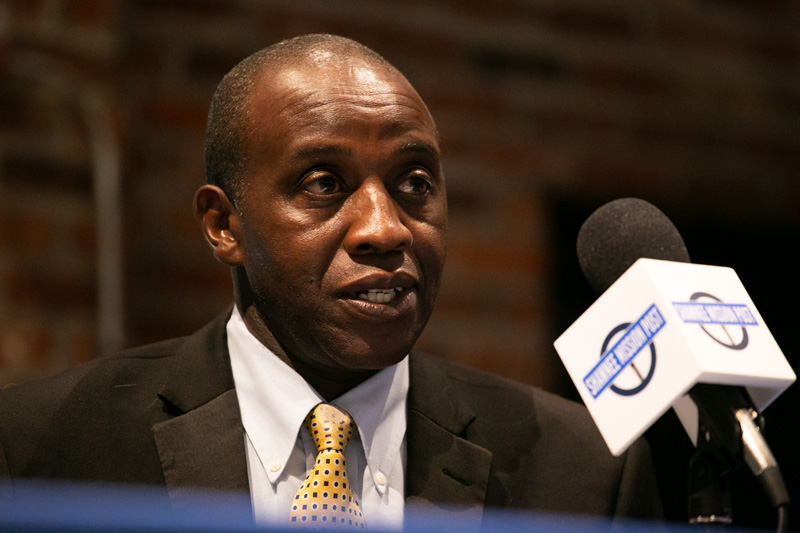
Hophine Bwosinde, operator of Amboseli Tax Services, entered a guilty plea to charges of preparing and filing false tax documents on behalf of numerous clients between 2018 and 2022. The scheme, which cost American taxpayers approximately KSh 200 million in today’s exchange rates, involved deliberate distortion of financial records to generate undeserved refunds and minimize legitimate tax liabilities.
ALSO READ: Kenya Ranks Seventh Globally in IMF Outstanding Debt
Anatomy of the Fraud
Federal prosecutors presented evidence showing that Bwosinde employed multiple deceptive techniques to artificially reduce his clients’ tax burdens. According to court filings, he routinely exaggerated business-related expenses on tax forms, invented financial losses that never occurred, and misrepresented income figures to create the appearance of lower earnings than clients actually received.
These fabrications enabled taxpayers to either claim government refunds they had no legal right to receive or substantially decrease the amounts they legitimately owed to federal authorities. The systematic nature of the misconduct, spanning multiple tax seasons and involving numerous clients, demonstrated what prosecutors characterized as a calculated operation rather than isolated errors.
The Internal Revenue Service’s Criminal Investigation division, which specializes in tracking sophisticated financial crimes, led the probe that ultimately exposed Bwosinde’s activities. IRS-CI agents typically handle cases involving complex schemes requiring forensic accounting expertise to unravel.
Betrayal of Community Trust
Within Kansas City’s Kenyan immigrant community, Bwosinde had cultivated a reputation as a trusted advisor and community leader. Many knew him as someone who helped newcomers navigate American bureaucratic systems and frequently emphasized the importance of following United States laws and regulations.
His public persona as a mentor to recent immigrants made the revelation of his fraudulent activities particularly jarring for community members who had relied on his services or recommended him to others. The case has prompted difficult conversations about due diligence when selecting professional service providers, even when they come with strong community endorsements.
The conviction has reverberated beyond Bwosinde’s immediate circle, raising broader questions about oversight and accountability within ethnic community business networks. While the vast majority of immigrant-owned tax preparation firms operate legitimately, high-profile fraud cases can unfairly taint perceptions of entire communities.
Pattern of Financial Crimes
This prosecution fits into a longer historical pattern of financial fraud cases involving Kenyan nationals residing in the United States. Nearly two decades ago, in 2006, federal authorities secured convictions against multiple Kenyan immigrants involved in identity theft rings and related fraud operations.
While such cases represent an extremely small fraction of Kenya’s diaspora population in America—which numbers in the hundreds of thousands and contributes billions of shillings annually to Kenya’s economy through legitimate remittances—they nonetheless attract significant attention and can reinforce negative stereotypes.
Law enforcement officials have emphasized that financial crimes occur across all demographic groups and that focusing on ethnicity obscures the more relevant factors: opportunity, rationalization, and inadequate internal controls that enable fraud regardless of the perpetrator’s background.
Legal and Financial Consequences
Beyond the three-year incarceration term, Bwosinde faces court-ordered restitution payments designed to compensate the government for losses stemming from his fraudulent filings. The exact restitution amount will be determined through additional proceedings that calculate the total financial damage attributable to his actions.
Federal sentencing guidelines for tax fraud typically consider factors including the monetary scale of the scheme, the duration of criminal activity, the defendant’s role in orchestrating versus merely participating in fraud, and whether the person demonstrates genuine remorse and accepts responsibility.
Bwosinde’s guilty plea likely influenced his sentence, as defendants who contest charges and force lengthy trials often receive harsher penalties than those who acknowledge wrongdoing and cooperate with authorities.
Implications for Tax Preparers
The case serves as a warning to tax preparation professionals about the severe consequences of falsifying client returns. Federal authorities have intensified scrutiny of the tax preparation industry in recent years, particularly targeting firms that consistently produce returns with statistical anomalies suggesting systematic fraud.
The IRS has implemented data analytics tools that flag patterns indicating potential misconduct, such as unusually high rates of certain deductions within a single preparer’s client base or refund amounts that deviate significantly from industry norms for similar taxpayer profiles.
For clients, the case underscores the importance of reviewing tax documents before signing and understanding that taxpayers bear ultimate legal responsibility for the accuracy of their returns, regardless of who prepared them. Individuals who unknowingly filed fraudulent returns prepared by Bwosinde may face their own tax consequences, including repayment of improper refunds plus penalties and interest.
Moving Forward
As Bwosinde prepares to begin his prison sentence, the Kenyan community in Kansas City faces the task of rebuilding trust and ensuring proper vetting of professional service providers. Community leaders have called for greater financial literacy education and encouraged immigrants to seek licensed, bonded tax preparers with verifiable credentials.
The prosecution reinforces that financial crimes carry serious federal penalties regardless of the perpetrator’s immigration status, community standing, or previous reputation. For diaspora communities nationwide, it serves as a reminder that professional credentials and community respect must be backed by actual ethical conduct and legal compliance.
Follow us on X





VIDEO: Every Goal Scored in the Premier League This Weekend — Matchweek 30

EPRA Sets Fuel Prices for March-April 2026 — Here Is What You Will Pay

Israeli Government Announces Fully Funded Postgraduate Scholarships for Kenyans

Russian TikToker’s Videos Include Encounter with Older Woman, Raising Further Consent Concerns

East Africa’s Richest Musicians 2025: The Wealth Rankings Revealed

Why Gachagua Was Absent at Raila’s Farewell, According to His Camp
-

 Gossip5 days ago
VIDEOS: What Happened In Naivasha During The Weekend Has Boyfriends Crying
-

 Gossip1 week ago
Morara Kebaso’s Secret Mombasa Getaway With Slay Queen Laid Bare in Shocking Audio Leak
-

 Gossip1 week ago
VIDEO: Kenyan Female Chemist Attendant Goes Viral After Video Shows Her Helping Male Customer Put On Protection — Public Reacts
-

 Gossip1 week ago
Watch Video: Vihiga Man Takes Selfie Of Wife and Pastor During Mechi
-

 Gossip1 week ago
The Cheeky Couple Video That Broke Social Media This Week
-

 Mombasa1 week ago
VIDEO: Mackenzie’s Lawyer Challenges Police to Prove Shakahola Victims Are Not in Heaven
-

 Education1 week ago
How to Apply for Kenya Utalii College Through KUCCPS — Diploma and Certificate Applications Now Open
-
 Education5 days ago
Israeli Government Announces Fully Funded Postgraduate Scholarships for Kenyans