
News
Kenyan Gen Z Builds ‘People’s IEBC’ to Verify Every Vote in 2027
As Kenya approaches the 2027 general elections, a young developer named Miringa is working on an ambitious project that could reshape how citizens monitor electoral processes. The “People’s IEBC,” a crowd-sourced election verification platform, aims to provide Kenyans with an independent tool to tally and verify presidential vote counts.
ALSO READ: Bondo Resident Appeals to Gachagua to Use Raila Gravesite Visit for Kikuyu-Luo Reconciliation
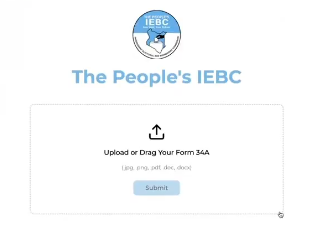
A Platform for Transparency
The system, currently in its trial phase and nearing production readiness, is designed with a single purpose: verification. According to Miringa, the platform will enable any Kenyan to upload Form 34As—the official result declaration forms used at polling stations—which will then be analyzed using artificial intelligence technology.
“No one will rig the election,” Miringa has stated, outlining the system’s core mission of preventing electoral manipulation through public scrutiny.
The platform’s AI-powered verification system will cross-reference uploaded forms, flag discrepancies, and automatically calculate vote totals and percentages. These results will be displayed publicly on a website, allowing citizens to compare the crowd-sourced data with official tallies announced by the Independent Electoral and Boundaries Commission (IEBC).
Technical Innovation Meets Civic Participation
The People’s IEBC represents a fusion of technology and grassroots election monitoring. By leveraging artificial intelligence to process and verify electoral forms, the platform seeks to create a parallel counting mechanism entirely independent of official channels.
The system’s approach is straightforward: citizens act as data collectors by photographing and uploading Form 34As from their polling stations, while the AI handles verification, summation, and presentation of results. This distributed model aims to make electoral fraud more difficult by creating a transparent, publicly accessible record of votes cast.
Questions and Concerns
Despite the innovative approach, questions remain about the platform’s practical effectiveness. Kenyans on social media have raised concerns about Miringa’s safety, with some calling for protective measures for the young developer. The project’s potential to challenge official results has sparked discussions about both its promise and its limitations.
Critics have pointed out a fundamental challenge: if the IEBC chooses to announce a preferred candidate regardless of actual vote counts, a parallel verification system may document the discrepancy but lack the legal authority to change the outcome.
“How will the system help with that?” one observer asked, highlighting the gap between identifying electoral manipulation and having the power to prevent it.
The Road to 2027
With Kenya’s next presidential election approaching, the People’s IEBC joins a growing ecosystem of civic technology initiatives aimed at strengthening electoral integrity. Whether the platform will achieve its ambitious goals remains to be seen, but its development reflects a broader demand among Kenyan citizens for transparency and accountability in the electoral process.
As the system moves from trial to production phase, all eyes will be on whether this citizen-led initiative can deliver on its promise to make election rigging impossible—or at least impossible to hide.
The success of the People’s IEBC will ultimately depend not just on its technology, but on widespread citizen participation, legal protections for those involved, and the willingness of Kenyans to engage in the democratic process beyond simply casting their votes.
The People’s IEBC platform is still under development. Its effectiveness and impact on the 2027 elections remain to be determined.
Follow us on X






VIDEO: Hannah Benta Caught Up in Leaked Video Controversy Involving Baby Daddy Sammir

Explained: Why Your Charger Cable Has That Small Lump — and What It Actually Does

VIDEO: Every Goal Scored in the Premier League This Weekend — Matchweek 30

Russian TikToker’s Videos Include Encounter with Older Woman, Raising Further Consent Concerns

East Africa’s Richest Musicians 2025: The Wealth Rankings Revealed

Why Gachagua Was Absent at Raila’s Farewell, According to His Camp
-

 Gossip1 week ago
VIDEOS: What Happened In Naivasha During The Weekend Has Boyfriends Crying
-
 Gossip1 day ago
VIDEO: Hannah Benta Caught Up in Leaked Video Controversy Involving Baby Daddy Sammir
-

 Gossip1 week ago
The Cheeky Couple Video That Broke Social Media This Week
-

 Education1 week ago
Israeli Government Announces Fully Funded Postgraduate Scholarships for Kenyans
-
 News1 day ago
Explained: Why Your Charger Cable Has That Small Lump — and What It Actually Does
-
 News1 week ago
VIDEO: Every Goal Scored in the Premier League This Weekend — Matchweek 30
-

 Business1 week ago
EPRA Sets Fuel Prices for March-April 2026 — Here Is What You Will Pay