
News
Sacrilege or Security? Kenya’s “Impure” Sniffer Dogs Divide Nation After Attack.
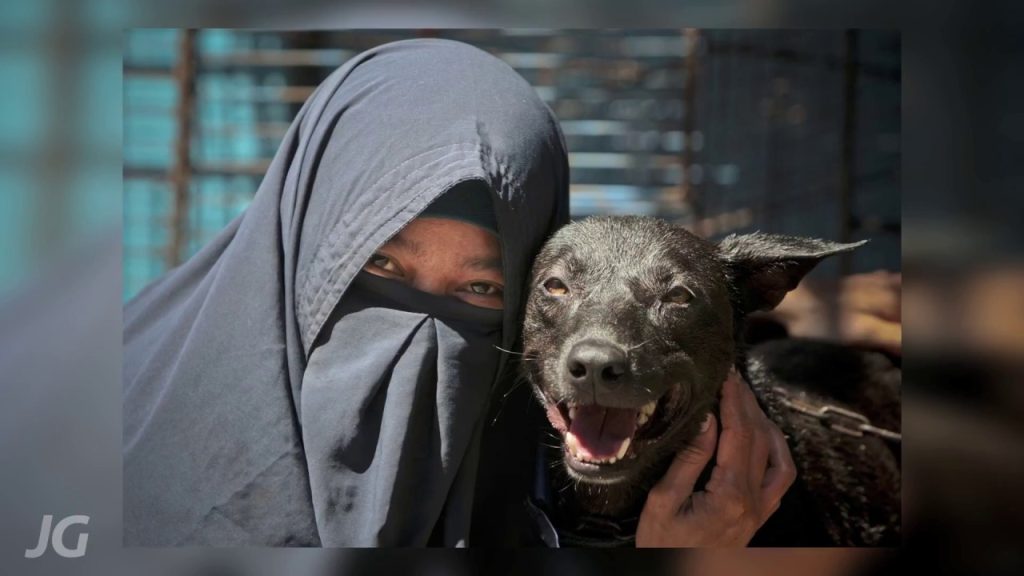
A heightened security operation along the perilous Moyale-Isiolo highway, prompted by a recent fatal IED attack, has ignited a public debate over the use of sniffer dogs in a predominantly Muslim region, forcing a national conversation on balancing counter-terrorism with religious sensitivities.
ALSO READ: Kenya Moves to Reassure Uganda Amid Tensions Over Indian Ocean Access
The security ramp-up, which includes increased checkpoints and vehicle inspections, comes after an improvised explosive device killed two police officers near Garissa on November 19. The attack underscored the persistent threat posed by Al-Shabaab militants along the vital transport route.
However, a key component of the security measures—the deployment of canine units—has drawn criticism from some community figures. Activist Halima K. Dida publicly argued that the use of dogs violates Islamic purity rules, particularly during fasting periods, and proposed the government invest in advanced scanning technology as an alternative.
“The saliva of dogs is considered ritually impure in Islam,” Dida stated. “For devout Muslims, especially those fasting, this can present a significant spiritual concern. We are asking for solutions that provide security without compromising our faith.”
The critique sparked a vigorous response on social media platform X, where many users defended the security protocols as a universal necessity. Critics of Dida’s position pointed out that several leading Muslim nations, including Saudi Arabia and the United Arab Emirates, routinely employ sniffer dogs for security at airports and public venues.
“The priority is saving lives. Terrorists don’t discriminate by faith, and our security measures shouldn’t be diluted,” read one typical post.
On the ground, travelers expressed a range of views. Abu Iman, a driver who frequently uses the highway, acknowledged the religious concerns but complied without complaint. “Security is important for everyone. We understand the need, even if it is uncomfortable,” he said.
The debate highlights the complex challenge facing Kenyan authorities: how to effectively combat a lethal militant threat on a high-risk route while maintaining the trust and cooperation of the local community. For now, the sniffer dogs remain on the front lines, their presence a tangible symbol of the difficult trade-off between unwavering security and deeply held religious beliefs.
Follow us on X





VIDEO: Every Goal Scored in the Premier League This Weekend — Matchweek 30

EPRA Sets Fuel Prices for March-April 2026 — Here Is What You Will Pay

Israeli Government Announces Fully Funded Postgraduate Scholarships for Kenyans

Russian TikToker’s Videos Include Encounter with Older Woman, Raising Further Consent Concerns

East Africa’s Richest Musicians 2025: The Wealth Rankings Revealed

Why Gachagua Was Absent at Raila’s Farewell, According to His Camp
-

 Gossip6 days ago
VIDEOS: What Happened In Naivasha During The Weekend Has Boyfriends Crying
-

 Gossip1 week ago
VIDEO: Kenyan Female Chemist Attendant Goes Viral After Video Shows Her Helping Male Customer Put On Protection — Public Reacts
-

 Gossip1 week ago
Morara Kebaso’s Secret Mombasa Getaway With Slay Queen Laid Bare in Shocking Audio Leak
-

 Gossip1 week ago
Watch Video: Vihiga Man Takes Selfie Of Wife and Pastor During Mechi
-

 Gossip1 week ago
The Cheeky Couple Video That Broke Social Media This Week
-

 Mombasa1 week ago
VIDEO: Mackenzie’s Lawyer Challenges Police to Prove Shakahola Victims Are Not in Heaven
-

 Education1 week ago
How to Apply for Kenya Utalii College Through KUCCPS — Diploma and Certificate Applications Now Open
-
 Education6 days ago
Israeli Government Announces Fully Funded Postgraduate Scholarships for Kenyans