
News
Kenya’s Economy Reaches $136 Billion as Ruto Presents Growth Record to Parliament
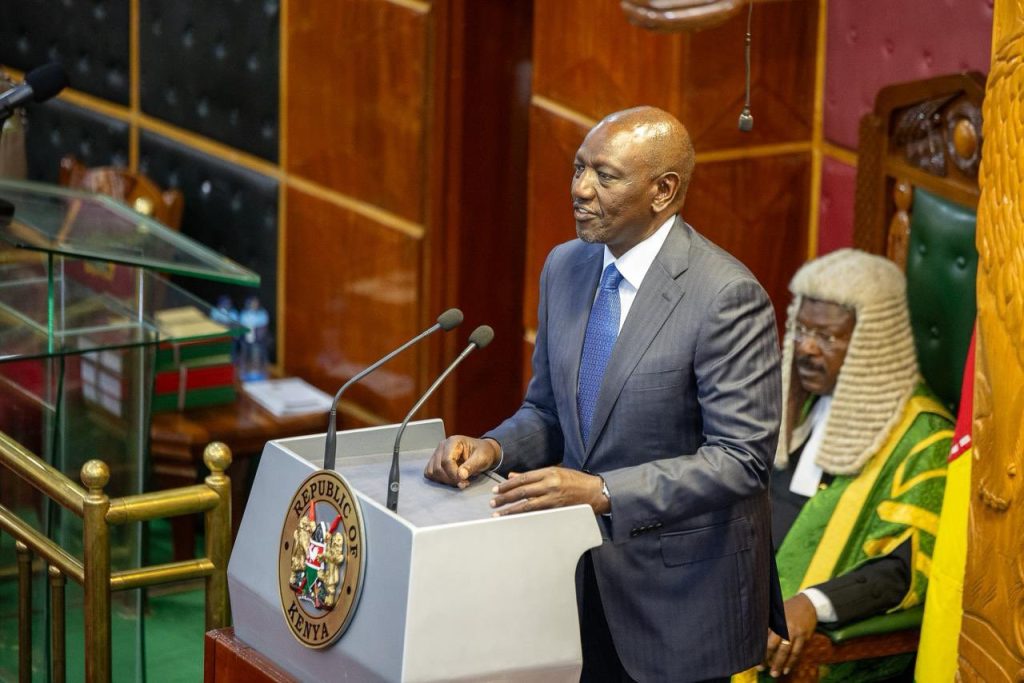
NAIROBI — President William Ruto delivered an address to parliament on Thursday, presenting what he described as significant economic achievements during his administration, though the claims drew both support and scrutiny from various quarters.
ALSO READ: Kenya’s Mount Kenya Region Watches Tight By-Election as Ruto Allies Duel
In his speech, Ruto cited Kenya’s gross domestic product expansion from $115 billion to $136 billion, positioning the country as Africa’s sixth-largest economy. The president pointed to inflation rates that have declined to 4.6% and highlighted the registration of over 300,000 new businesses as indicators of economic momentum.
The agricultural sector featured prominently in Ruto’s remarks. He reported that 7.1 million farmers have been registered under government programs and noted record levels of maize production. These figures were presented as evidence of his administration’s focus on agricultural transformation and food security.
On infrastructure development, the president outlined progress in the affordable housing initiative, stating that 230,000 homes have been delivered or are under construction. He also referenced ongoing expansion of the country’s rail network as part of broader transportation infrastructure improvements.
The address generated divided reactions across Kenya’s social and political landscape. Government supporters lauded what they characterized as a forward-looking vision for economic growth and development. However, critics took to social media platform X to voice concerns about the disconnect between macro-economic statistics and everyday realities facing ordinary Kenyans.
Opposition voices questioned whether the reported economic gains have translated into tangible improvements in affordability and employment opportunities. Many Kenyans continue to struggle with the rising cost of living, particularly for basic commodities and housing, raising questions about the distribution of economic benefits.
Independent fact-checking organizations subsequently challenged aspects of Ruto’s presentation, particularly regarding certain economic comparisons and baseline figures used in the address. These disputes centered on methodology and the time periods selected for comparative analysis.
The contrasting responses to Thursday’s address reflect broader debates about Kenya’s economic trajectory and the metrics used to measure progress. As the administration moves into its next phase, bridging the gap between national economic indicators and household economic security remains a central challenge.
The government has not yet responded to the specific fact-checking queries or addressed the public criticism regarding affordability concerns.
Follow us on X





VIDEO: Every Goal Scored in the Premier League This Weekend — Matchweek 30

EPRA Sets Fuel Prices for March-April 2026 — Here Is What You Will Pay

Israeli Government Announces Fully Funded Postgraduate Scholarships for Kenyans

Russian TikToker’s Videos Include Encounter with Older Woman, Raising Further Consent Concerns

East Africa’s Richest Musicians 2025: The Wealth Rankings Revealed

Why Gachagua Was Absent at Raila’s Farewell, According to His Camp
-

 Gossip6 days ago
VIDEOS: What Happened In Naivasha During The Weekend Has Boyfriends Crying
-

 Gossip1 week ago
VIDEO: Kenyan Female Chemist Attendant Goes Viral After Video Shows Her Helping Male Customer Put On Protection — Public Reacts
-

 Gossip1 week ago
Morara Kebaso’s Secret Mombasa Getaway With Slay Queen Laid Bare in Shocking Audio Leak
-

 Gossip1 week ago
Watch Video: Vihiga Man Takes Selfie Of Wife and Pastor During Mechi
-

 Gossip1 week ago
The Cheeky Couple Video That Broke Social Media This Week
-

 Mombasa1 week ago
VIDEO: Mackenzie’s Lawyer Challenges Police to Prove Shakahola Victims Are Not in Heaven
-
 Education1 week ago
How to Apply for Kenya Utalii College Through KUCCPS — Diploma and Certificate Applications Now Open
-
 Education5 days ago
Israeli Government Announces Fully Funded Postgraduate Scholarships for Kenyans