
Business
15 Profitable Businesses to Start with Ksh 50,000 in Kenya: Complete Investment Breakdown and ROI Analysis
A comprehensive guide to launching successful micro-enterprises in Kenya’s dynamic market with limited capital, detailed cost breakdowns, and proven strategies for sustainable growth
ALSO READ: Most Listened Radio Stations in Kenya 2026: Complete Rankings and Audience Statistics
Kenya’s entrepreneurial landscape offers numerous opportunities for aspiring business owners working with modest capital. With Ksh 50,000, you can launch viable ventures across multiple sectors, from traditional retail to digital services, each offering distinct pathways to profitability and growth.
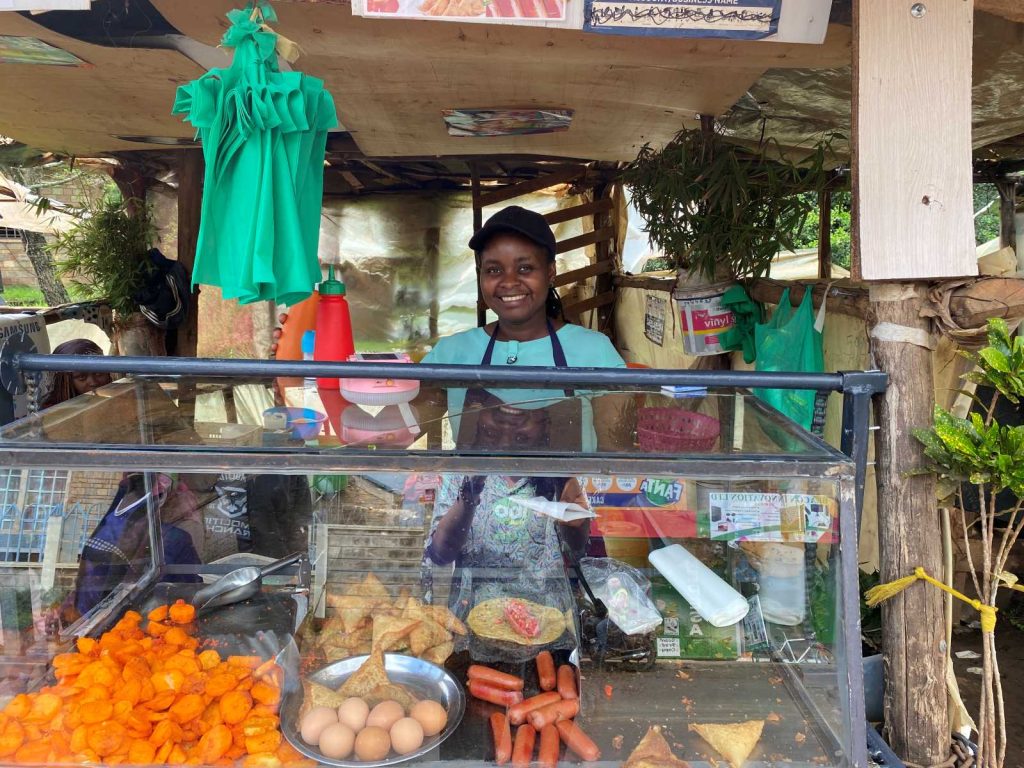
This exhaustive guide breaks down investment requirements, operational costs, potential returns, and strategic considerations for businesses that thrive in Kenya’s current economic environment.
Service-Based Businesses: Low Capital, High Skill Returns
1. Laundry and Ironing Services
Total Startup Investment: Ksh 35,000 – 45,000
The laundry business capitalizes on Kenya’s growing urban population of busy professionals, students, and families seeking convenient clothing care solutions.
Detailed Cost Breakdown:
- Washing machine (semi-automatic): Ksh 15,000 – 20,000
- Iron box (heavy-duty commercial): Ksh 3,500 – 5,000
- Ironing board and stand: Ksh 2,500
- Detergents, softeners, starch (initial stock): Ksh 5,000
- Hangers, clothes baskets, pegs: Ksh 2,000
- Business permits and licenses: Ksh 3,000 – 5,000
- Marketing materials (flyers, signage): Ksh 2,000
- Working capital (utilities, first month): Ksh 5,000
Revenue Potential:
- Washing per kilogram: Ksh 80 – 150
- Ironing per piece: Ksh 30 – 100 (depending on garment type)
- Average daily customers: 10 – 15 households
- Monthly gross revenue: Ksh 40,000 – 80,000
- Net profit margin: 40 – 50% after utilities and supplies
Strategic Considerations: Target apartment complexes, student hostels, and bachelor neighborhoods where residents lack time or facilities for laundry. Offer pickup and delivery services within a specific radius to differentiate from competitors. Build customer loyalty through quality service and timely delivery.
2. Tutoring and Skills Training
Total Startup Investment: Ksh 10,000 – 25,000
Educational services remain in high demand as parents seek supplementary academic support and adults pursue professional development.
Detailed Cost Breakdown:
- Teaching materials and resources: Ksh 5,000
- Online platform subscription (Zoom, Google Workspace): Ksh 2,000
- Marketing and advertising: Ksh 3,000
- Printing (worksheets, handouts): Ksh 2,000
- Business registration: Ksh 3,000
- Website or social media setup: Ksh 5,000
- Stationery and supplies: Ksh 3,000
- Transportation (if offering home visits): Ksh 5,000
Revenue Potential:
- Primary/secondary tutoring: Ksh 500 – 1,500 per hour
- University-level tutoring: Ksh 1,000 – 2,500 per hour
- Skills training (computer, languages): Ksh 3,000 – 8,000 per student monthly
- Group classes (5-10 students): Ksh 15,000 – 40,000 monthly per group
- Monthly revenue (10-15 students): Ksh 50,000 – 120,000
- Net profit margin: 70 – 85%
Growth Strategy: Specialize in high-demand subjects (mathematics, sciences, English) or competitive exam preparation (KCPE, KCSE). Leverage online platforms to reach students beyond your immediate location. Create digital courses for passive income streams.
3. Social Media Management and Virtual Assistant Services
Total Startup Investment: Ksh 15,000 – 30,000
Kenya’s digital economy expansion creates opportunities for skilled professionals to support businesses remotely.
Detailed Cost Breakdown:
- Laptop (if upgrading): Ksh 0 (use existing) or budget separately
- Internet subscription (3 months): Ksh 9,000
- Professional software tools (Canva Pro, scheduling apps): Ksh 5,000
- Portfolio website/domain: Ksh 3,000
- Online courses for skill enhancement: Ksh 5,000
- Marketing and client acquisition: Ksh 5,000
- Business registration and compliance: Ksh 3,000
Revenue Potential:
- Social media management per client: Ksh 15,000 – 40,000 monthly
- Content creation services: Ksh 2,000 – 8,000 per project
- Virtual assistant hourly rate: Ksh 500 – 1,500
- Email management and admin support: Ksh 10,000 – 25,000 monthly per client
- Monthly income (3-5 clients): Ksh 45,000 – 150,000
- Net profit margin: 75 – 90%
Client Acquisition Strategy: Target small businesses, real estate agents, consultants, and e-commerce stores needing professional online presence management. Showcase results through case studies and testimonials. Join freelance platforms like Upwork, Fiverr, and local Facebook business groups.
4. Mobile Hair and Beauty Services
Total Startup Investment: Ksh 35,000 – 48,000
Bringing salon services to clients’ homes taps into convenience-seeking customers while minimizing overhead costs.
Detailed Cost Breakdown:
- Professional hair styling kit: Ksh 8,000
- Hair products (shampoos, conditioners, treatments): Ksh 10,000
- Makeup kit (for beauty services): Ksh 8,000
- Portable dryer and styling tools: Ksh 6,000
- Transportation allowance: Ksh 5,000
- Marketing materials and branding: Ksh 4,000
- Business permits: Ksh 3,000
- Insurance and safety supplies: Ksh 2,000
- Phone and communication: Ksh 2,000
Revenue Potential:
- Hair braiding/styling: Ksh 1,500 – 5,000 per client
- Makeup services: Ksh 2,000 – 8,000 per session
- Bridal packages: Ksh 10,000 – 30,000
- Weekly clients: 15 – 25
- Monthly gross revenue: Ksh 60,000 – 120,000
- Net profit margin: 50 – 65%
Business Development: Build a portfolio through social media showcasing your work. Offer package deals for weddings and events. Partner with event planners and photographers for referrals.
Retail and Food Businesses: Moderate Capital with Quick Returns
5. Mitumba (Second-Hand Clothes) Business
Total Startup Investment: Ksh 45,000 – 50,000
The mitumba trade remains one of Kenya’s most profitable small businesses, leveraging the demand for affordable, quality clothing.
Detailed Cost Breakdown:
- Initial bale purchase (2-3 bales): Ksh 25,000 – 30,000
- Market stall rental (first month): Ksh 3,000 – 6,000
- Display fixtures (hangers, racks): Ksh 4,000
- Packaging materials (bags): Ksh 2,000
- Business permit and market fees: Ksh 4,000
- Marketing and signage: Ksh 2,000
- Working capital (transport, miscellaneous): Ksh 5,000
Revenue Potential:
- Average markup: 100 – 300%
- Bale cost: Ksh 10,000; potential revenue: Ksh 25,000 – 40,000
- Weekly sales (active trading): Ksh 15,000 – 30,000
- Monthly gross revenue: Ksh 60,000 – 120,000
- Net profit margin: 35 – 50%
Success Factors: Source quality bales from reputable wholesalers in Nairobi’s Gikomba market or Mombasa. Specialize in specific categories (children’s wear, designer brands, sportswear) to build customer loyalty. Combine physical stall presence with online sales through Instagram and WhatsApp Business.
6. M-Pesa and Mobile Money Agent
Total Startup Investment: Ksh 45,000 – 50,000
Mobile money agencies provide essential financial services in Kenya’s digital payment ecosystem.
Detailed Cost Breakdown:
- Till number registration and setup: Ksh 0 – 500
- Initial float capital: Ksh 30,000 – 35,000
- Security measures (safe, CCTV): Ksh 8,000
- Shop branding and signage: Ksh 3,000
- Business permit: Ksh 2,000
- Furniture (desk, chair): Ksh 3,000
- Stationery and operational supplies: Ksh 1,500
- Marketing materials: Ksh 2,000
Revenue Potential:
- Commission per transaction: Ksh 5 – 30 (varies by transaction type)
- Daily transactions: 80 – 150
- Daily commissions: Ksh 1,500 – 3,500
- Monthly gross revenue: Ksh 45,000 – 105,000
- Additional services (airtime, bill payments): Ksh 10,000 – 20,000
- Net profit margin: 60 – 75%
Location Strategy: Position your agency in high-traffic areas like bus stops, markets, or residential estates with limited banking access. Maintain adequate float to avoid losing customers during peak hours. Build trust through consistent service and security.
7. Street Food Vending (Smokies, Eggs, Chapati)
Total Startup Investment: Ksh 25,000 – 35,000
Fast food vending captures Kenya’s bustling street food culture with minimal overhead and immediate cash flow.
Detailed Cost Breakdown:
- Gas cylinder and burner: Ksh 5,000 – 7,000
- Cooking equipment (pans, griddle): Ksh 4,000
- Food cart or table setup: Ksh 6,000 – 8,000
- Initial food inventory (ingredients): Ksh 8,000
- Permits and health certificates: Ksh 3,000
- Serving supplies (plates, napkins): Ksh 2,000
- Marketing and signage: Ksh 1,500
- Working capital: Ksh 3,500
Revenue Potential:
- Smokie with kachumbari: Ksh 50 – 100 (cost: Ksh 20 – 35)
- Boiled eggs: Ksh 30 – 50 (cost: Ksh 12 – 18)
- Chapati: Ksh 20 – 40 (cost: Ksh 8 – 15)
- Daily sales: 100 – 200 items
- Daily gross revenue: Ksh 3,000 – 8,000
- Monthly gross revenue: Ksh 90,000 – 240,000
- Net profit margin: 45 – 60%
Operational Excellence: Maintain consistent quality and hygiene standards. Establish strategic locations near offices, colleges, or transport hubs during peak hours (breakfast, lunch, evening). Build a regular customer base through reliability and taste.
8. Fresh Juice and Smoothie Stand
Total Startup Investment: Ksh 35,000 – 45,000
Health-conscious consumers drive demand for fresh, natural beverages in urban centers.
Detailed Cost Breakdown:
- Commercial blender: Ksh 10,000 – 15,000
- Juicer (manual or electric): Ksh 5,000 – 8,000
- Display counter or cart: Ksh 6,000
- Initial fruit inventory: Ksh 5,000
- Cups, straws, napkins: Ksh 2,000
- Cooler/ice box: Ksh 3,000
- Permits and licenses: Ksh 3,000
- Branding and menu boards: Ksh 2,000
- Working capital: Ksh 4,000
Revenue Potential:
- Juice per cup (300ml): Ksh 80 – 150 (cost: Ksh 30 – 50)
- Smoothies: Ksh 150 – 250 (cost: Ksh 60 – 100)
- Daily sales: 40 – 80 cups
- Daily gross revenue: Ksh 4,000 – 12,000
- Monthly gross revenue: Ksh 120,000 – 360,000
- Net profit margin: 50 – 65%
Differentiation Strategy: Offer unique blends, superfoods add-ons (chia seeds, ginger), and seasonal specials. Target fitness centers, corporate areas, and health-conscious neighborhoods. Implement loyalty programs and bulk ordering for offices.
9. Phone Accessories and Electronics Retail
Total Startup Investment: Ksh 40,000 – 50,000
The ubiquity of mobile phones creates steady demand for accessories and related products.
Detailed Cost Breakdown:
- Initial inventory (chargers, cables, earphones, cases): Ksh 25,000
- Display cabinet and shelving: Ksh 6,000
- Shop rental (first month, if applicable): Ksh 5,000
- Business permit: Ksh 2,500
- Security deposit: Ksh 3,000
- Branding and signage: Ksh 3,000
- Marketing materials: Ksh 2,000
- Working capital and contingency: Ksh 3,500
Revenue Potential:
- Average markup: 30 – 100%
- Phone cases: Ksh 200 – 800 (cost: Ksh 80 – 300)
- Chargers: Ksh 300 – 1,500 (cost: Ksh 150 – 600)
- Earphones: Ksh 200 – 2,000 (cost: Ksh 100 – 800)
- Daily sales: Ksh 2,000 – 6,000
- Monthly gross revenue: Ksh 60,000 – 180,000
- Net profit margin: 35 – 55%
Market Positioning: Stock quality products to reduce returns and build trust. Position near phone repair shops, electronics markets, or busy commercial centers. Offer warranties and good customer service to encourage repeat business.
Niche and Emerging Opportunities
10. Perfume Refill Business
Total Startup Investment: Ksh 30,000 – 40,000
Affordable luxury through perfume refills attracts budget-conscious consumers seeking branded scents.
Detailed Cost Breakdown:
- Bulk perfume oils (5-10 varieties): Ksh 15,000
- Empty refill bottles (100-150 pieces): Ksh 5,000
- Display shelving and testers: Ksh 4,000
- Funnels, labels, packaging: Ksh 2,000
- Business permit: Ksh 2,000
- Marketing materials: Ksh 3,000
- Working capital: Ksh 4,000
- Shop rental (if applicable): Ksh 5,000
Revenue Potential:
- 50ml refill bottle: Ksh 300 – 600 (cost: Ksh 100 – 200)
- 100ml refill bottle: Ksh 500 – 1,000 (cost: Ksh 180 – 350)
- Daily sales: 10 – 25 bottles
- Monthly gross revenue: Ksh 45,000 – 120,000
- Net profit margin: 55 – 70%
Growth Tactics: Source quality oils from established suppliers. Create an attractive scent testing experience. Market heavily on social media with before/after comparisons and customer testimonials.
11. Eco-Friendly Packaging Production
Total Startup Investment: Ksh 35,000 – 48,000
Kenya’s plastic bag ban creates sustainable demand for environmentally friendly packaging alternatives.
Detailed Cost Breakdown:
- Paper bag making machine (manual): Ksh 0 (hand-made) – 15,000
- Raw materials (kraft paper, glue): Ksh 12,000
- Cutting tools and equipment: Ksh 3,000
- Business permits and environmental compliance: Ksh 3,000
- Marketing to businesses: Ksh 5,000
- Printing and branding equipment: Ksh 8,000
- Working capital: Ksh 5,000
Revenue Potential:
- Small paper bags: Ksh 10 – 20 wholesale (cost: Ksh 4 – 8)
- Medium bags: Ksh 20 – 35 wholesale (cost: Ksh 10 – 15)
- Large bags: Ksh 30 – 50 wholesale (cost: Ksh 15 – 25)
- Bulk orders (500+ bags): Common for retailers
- Monthly production: 5,000 – 10,000 bags
- Monthly gross revenue: Ksh 60,000 – 200,000
- Net profit margin: 40 – 55%
B2B Strategy: Target supermarkets, boutiques, pharmacies, and restaurants requiring compliant packaging. Offer custom branding services for higher margins. Build relationships with multiple retailers for steady orders.
12. Home Baking Business
Total Startup Investment: Ksh 35,000 – 45,000
Custom baked goods for celebrations and events provide creative entrepreneurship with low overhead.
Detailed Cost Breakdown:
- Baking equipment upgrade (mixer, tins): Ksh 12,000
- Oven (if needed) or gas cylinder: Ksh 8,000
- Initial ingredient inventory: Ksh 10,000
- Packaging materials (boxes, ribbons): Ksh 3,000
- Food handler’s certificate: Ksh 2,000
- Marketing (social media, samples): Ksh 5,000
- Delivery transport allowance: Ksh 3,000
- Working capital: Ksh 2,000
Revenue Potential:
- Custom cakes: Ksh 1,500 – 15,000 per order
- Cupcakes (dozen): Ksh 600 – 1,500
- Cookies and pastries: Ksh 500 – 2,000 per batch
- Weekly orders: 5 – 15
- Monthly gross revenue: Ksh 40,000 – 150,000
- Net profit margin: 50 – 70%
Marketing Excellence: Invest heavily in food photography for social media. Offer tasting samples to event planners and corporate clients. Specialize in niche areas like wedding cakes, birthday themes, or dietary alternatives (vegan, gluten-free).
Online and Digital Businesses
13. Dropshipping Business
Total Startup Investment: Ksh 20,000 – 35,000
Selling products without inventory leverages Kenya’s growing e-commerce adoption.
Detailed Cost Breakdown:
- E-commerce website setup: Ksh 8,000 – 12,000
- Social media advertising budget: Ksh 10,000
- Business registration: Ksh 3,000
- Product research tools: Ksh 2,000
- Payment gateway setup: Ksh 1,000
- Initial marketing campaigns: Ksh 5,000
- Phone and internet (3 months): Ksh 6,000
Revenue Potential:
- Product markup: 20 – 50%
- Average order value: Ksh 1,500 – 5,000
- Monthly orders: 20 – 60
- Monthly gross revenue: Ksh 30,000 – 300,000
- Net profit margin: 15 – 35%
Success Framework: Research trending products with high demand and low competition. Partner with reliable suppliers offering quality and timely delivery. Invest in targeted Facebook and Instagram advertising to reach specific demographics.
14. Online Reselling (Fashion, Electronics)
Total Startup Investment: Ksh 25,000 – 40,000
Curating and reselling products through social media platforms requires minimal infrastructure.
Detailed Cost Breakdown:
- Initial inventory purchase: Ksh 15,000 – 25,000
- Photography equipment (phone upgrade or camera): Ksh 5,000
- Social media advertising: Ksh 5,000
- Packaging materials: Ksh 2,000
- Business permits: Ksh 2,000
- Delivery and logistics setup: Ksh 3,000
- Working capital: Ksh 3,000
Revenue Potential:
- Markup per item: 30 – 80%
- Weekly sales: 10 – 30 items
- Average item price: Ksh 800 – 3,000
- Monthly gross revenue: Ksh 40,000 – 180,000
- Net profit margin: 25 – 45%
Platform Strategy: Build engaged audiences on Instagram, Facebook, and TikTok. Post consistently with high-quality images. Use WhatsApp Business for customer communication and order management.
15. Content Creation and Blogging
Total Startup Investment: Ksh 15,000 – 30,000
Creating valuable content monetizes through advertising, affiliate marketing, and sponsorships.
Detailed Cost Breakdown:
- Domain and hosting (annual): Ksh 5,000
- Premium WordPress theme: Ksh 3,000
- Content creation tools: Ksh 4,000
- SEO tools subscription: Ksh 3,000
- Initial content marketing: Ksh 5,000
- Training and skill development: Ksh 5,000
- Equipment (microphone, lighting for video): Ksh 5,000
Revenue Potential:
- Google AdSense: Ksh 5,000 – 50,000 monthly (after building traffic)
- Affiliate marketing: Ksh 10,000 – 100,000 monthly
- Sponsored content: Ksh 5,000 – 50,000 per post
- Digital products/courses: Variable
- Timeline to profitability: 6 – 12 months
- Potential monthly income (established): Ksh 30,000 – 200,000+
Growth Strategy: Choose a profitable niche with search demand (finance, health, technology). Publish consistently high-quality, SEO-optimized content. Build email lists and social media followings for traffic diversification.
Key Success Strategies for Ksh 50,000 Businesses
1. Start Lean and Scale Gradually
Operating from home eliminates rental costs for service-based businesses. For baking, tutoring, virtual assistance, and similar ventures, your residence serves as initial infrastructure, preserving capital for growth and marketing.
Avoid overinvesting in equipment or inventory before validating market demand. Test your concept with minimal viable products, gather customer feedback, and refine before expanding.
2. Location Intelligence for Physical Businesses
For retail and food ventures, location determines success more than any other factor. Conduct foot traffic analysis during different times and days. Observe competitor performance and identify underserved areas with high potential customer density.
High-traffic locations near transport hubs, markets, schools, and offices justify higher rents through significantly increased sales volumes. However, balance rental costs against realistic revenue projections.
3. Digital Marketing as Core Strategy
Regardless of business type, establish robust online presence through:
Social Media Platforms:
- Instagram for visual businesses (fashion, food, beauty)
- Facebook for community building and targeted advertising
- WhatsApp Business for customer communication and order management
- TikTok for viral potential and youth markets
Content Marketing: Create valuable content demonstrating expertise, building trust, and attracting customers organically through search and social sharing.
Paid Advertising: Allocate 10-20% of initial capital to targeted Facebook and Instagram ads reaching specific demographics and locations.
4. Financial Management Discipline
Separate personal and business finances from day one. Track every expense and revenue stream using simple tools like spreadsheets or free accounting apps.
Reinvest profits strategically during the first 6-12 months to accelerate growth. Aim to recoup initial investment within 3-6 months for most businesses on this list.
5. Customer Retention Focus
Acquiring new customers costs significantly more than retaining existing ones. Implement loyalty programs, maintain quality consistency, and provide exceptional service to build repeat business.
Collect customer feedback regularly and adapt offerings based on their needs and preferences. Word-of-mouth marketing from satisfied customers drives sustainable growth without advertising costs.
6. Regulatory Compliance
Obtain necessary business permits, health certificates (for food businesses), and tax compliance documentation. Operating legally protects your investment and builds customer confidence.
Register for iTax PIN and maintain proper records for future tax obligations as your business grows.
7. Continuous Learning and Adaptation
Monitor industry trends, competitor strategies, and customer preferences. Attend free business training workshops offered by organizations like Kenya National Chamber of Commerce and Industry.
Adapt quickly to market changes, seasonal demand fluctuations, and emerging opportunities within your niche.
Risk Mitigation Strategies
Market Research: Validate business ideas through customer conversations, competitor analysis, and demand assessment before full investment.
Diversification: Consider combining complementary businesses (e.g., M-Pesa agency with phone accessories) to spread risk and maximize location utility.
Emergency Fund: Reserve 20% of initial capital as contingency for unexpected expenses or slow periods.
Insurance: For higher-value inventory businesses, consider basic business insurance to protect against theft or loss.
Conclusion: Your Ksh 50,000 Business Journey
With strategic planning, disciplined execution, and customer-focused operations, Ksh 50,000 provides sufficient capital to launch profitable businesses across multiple sectors in Kenya’s dynamic economy.
Success depends less on business selection and more on implementation quality, market understanding, and consistent effort. The businesses outlined above offer proven pathways to financial independence, with many entrepreneurs scaling from these modest beginnings to substantial enterprises.
Choose businesses aligning with your skills, interests, and local market opportunities. Start immediately, learn continuously, and adapt persistently. Your entrepreneurial journey begins with the first step—and Ksh 50,000 is more than enough to take it.
About This Guide: This comprehensive analysis draws from current Kenyan market conditions, entrepreneur experiences, and economic data as of January 2026. Individual results vary based on location, execution quality, and market dynamics. Conduct additional research specific to your area before making investment decisions.
Need More Information? Consult with business development organizations, mentorship programs, and industry associations for sector-specific guidance and support throughout your entrepreneurial journey.
Follow us on X






VIDEO: Hannah Benta Caught Up in Leaked Video Controversy Involving Baby Daddy Sammir

Explained: Why Your Charger Cable Has That Small Lump — and What It Actually Does

VIDEO: Every Goal Scored in the Premier League This Weekend — Matchweek 30

Russian TikToker’s Videos Include Encounter with Older Woman, Raising Further Consent Concerns

East Africa’s Richest Musicians 2025: The Wealth Rankings Revealed

Why Gachagua Was Absent at Raila’s Farewell, According to His Camp
-

 Gossip1 week ago
VIDEOS: What Happened In Naivasha During The Weekend Has Boyfriends Crying
-
 Gossip23 hours ago
VIDEO: Hannah Benta Caught Up in Leaked Video Controversy Involving Baby Daddy Sammir
-

 Gossip1 week ago
The Cheeky Couple Video That Broke Social Media This Week
-

 Education1 week ago
Israeli Government Announces Fully Funded Postgraduate Scholarships for Kenyans
-
 News1 day ago
Explained: Why Your Charger Cable Has That Small Lump — and What It Actually Does
-
 News1 week ago
VIDEO: Every Goal Scored in the Premier League This Weekend — Matchweek 30
-

 Business1 week ago
EPRA Sets Fuel Prices for March-April 2026 — Here Is What You Will Pay